Mitică Popescu Movies, TV Shows, and Filmography
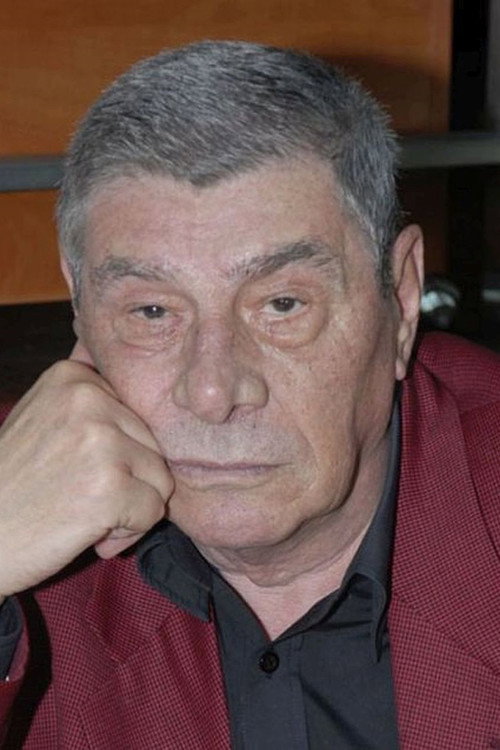
Mitică Popescu
Acting
Biography
No biography available.
Filmography Movies
Acting
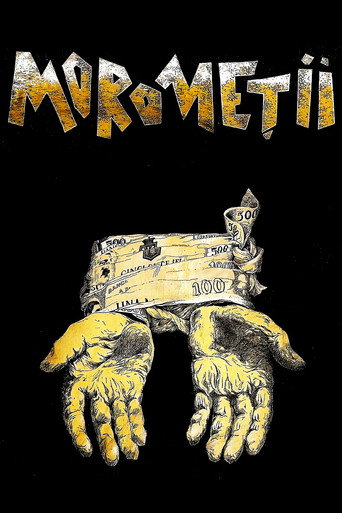
The Moromete Family
Story of a family. Problems, marriage, taxes, revenge, friendship, army, life and much more.
The Nervous System
In order to make a living, old Nica turns her country house into an anemic, bankrupt "pension". Her only joys are her dog's chirping and the TV news program. Out of loneliness, she sometimes imagines herself the heroine of a soap opera: secretly, Nica is in love with the news anchor Paul. The old woman decides to take a trip to Bucharest, where her daughter, Tuta, a nurse, lives with her concubine, Jenel, and Marilena, her 15-year-old daughter. In the capital, her passion for Paul takes paroxysmal forms. Nica monopolizes the remote control to stay on the same TV channel for which Paul presents the news, which will attract the family's irony. She even goes so far as to look for her "beggar" at the TV station, writes to him, exposing herself to humiliation and mockery. But she resists until illness and shame bring her down. Everything culminates in the old woman's attempt to commit suicide...
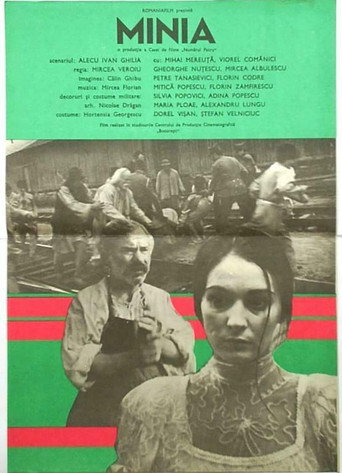
Mînia
The film was shot in Tudora, Botoșani County, and depicts the life of peasants under the harsh rule of the boyars. It recounts the events that took place in the village of Halunga in 1907, when peasants resorted to violent actions to obtain the property deeds they had acquired. The film is based on the novel of the same name by Ion Creangă, adapted for the screen by Constantin Rădulescu-Hodariu.
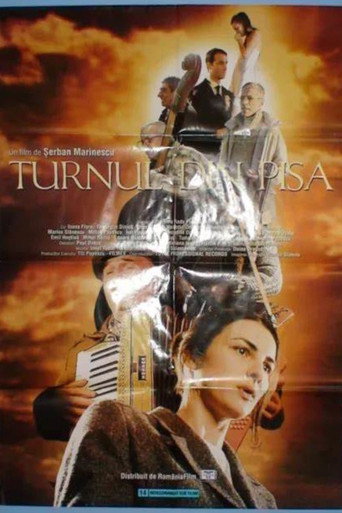
The Tower of Pisa
Story of a typical Romanian couple in crisis.
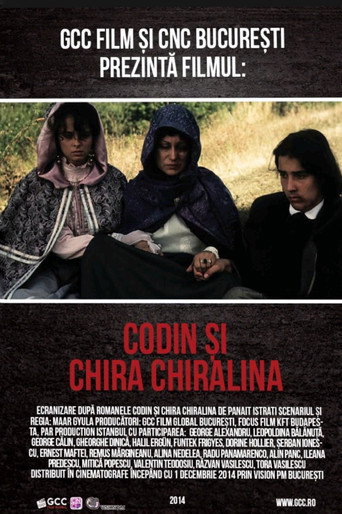
Codin si Chira Chiralina
A restless drifter from Istrati’s “Codin” crosses paths in Brăila with a fragile, enigmatic woman reminiscent of “Chira Chiralina“ in interwar Romania.
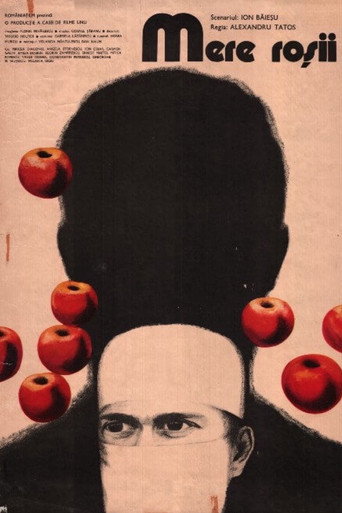
Red Apples
In Alexandru Tatos’s debut film, a young urologist is assigned to a town hospital with no urology ward and keeps bumping up against his superiors because of both ethical and medical problems.
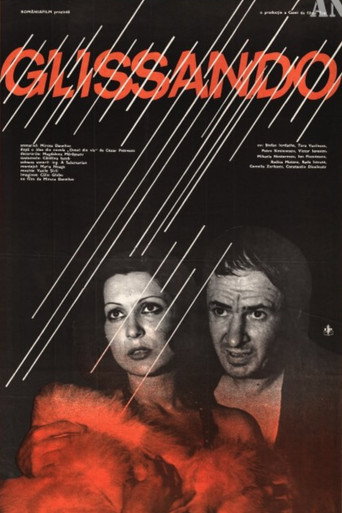
Glissando
In a devastating story rife with visual metaphors, Romanian director Mircea Daneliuc traces the slow mental disintegration of a confirmed gambler, using his disorder as an allusion to a greater national and social disorder. Set in the 1930s, the middle-class gambler meets an elderly man who seems to bring him good luck at the gaming tables. Rather than treasure his friendship and the good fortune it brings, the gambler takes advantage of his friend, and by his actions drives the man to suicide. Unable to reconcile his own mental demons, the gambler wanders through the house of his dead friend, and his experiences there only serve to unsettle his mind more and more and more. In the last reels of the film, the fantasies of the hero's deranged mind take over.
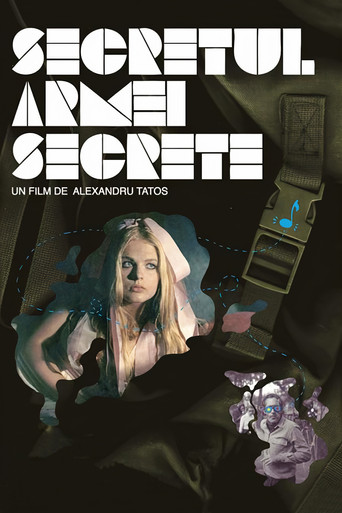
The Secret of the Secret Weapon
In this allegorical fairy-tale, peaceful and warlike knights vie for the hand of a beautiful princess, while a discussion of disco goes on around them. She favors a peaceful knight, while her father and his advisors like the ones carrying around a lot of weapons.
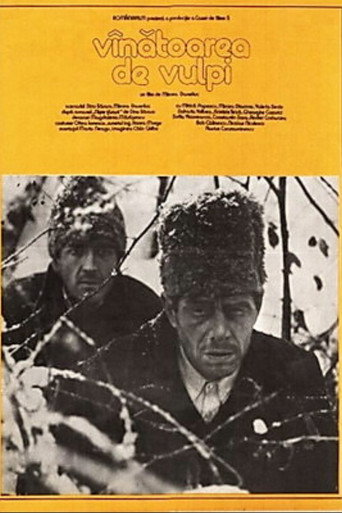
Fox Hunting
A Romanian village in the 50s. Năiţă Lucean, a cunning and stubborn peasant, opposes the collectivization process using all possible artifice. He instinctively feels that signing his land and cattle over to the state can only bring bad times for him. His only certainty is the ownership of this insufficient and barren plot of land. Although he strongly opposes it, the idea of the collective good is forcibly enforced.
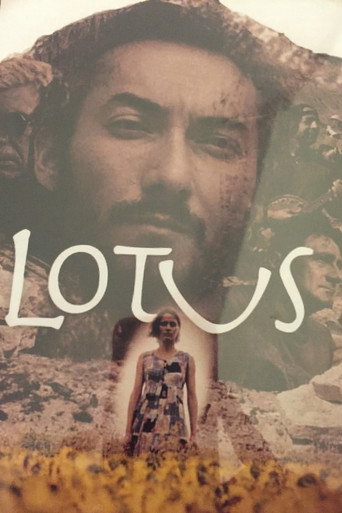
Lotus
The tranquility of a small seaside town is disturbed by a strange event: some vagrants try to rape a girl. A young man jumps to her defense. Intre cei doi se infiripa an idila, pana cand his past seems to sail over the present with cynicism and impatience. A strange mystery floats between them, until the day he is found dead and the girl decides to unravel the mystery of his disappearance.
Gallery