Mirtel Pohla Movies, TV Shows, and Filmography

Mirtel Pohla
Acting
Biography
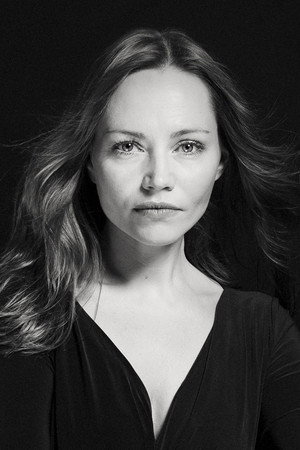
Mirtel Pohla (born January 28, 1982) is an Estonian stage, film and television actress. Mirtel Pohla was born in Tartu. She attended secondary school at the Tartu Karlova Gümnaasium, graduating in 2000. Afterward, she applied to and was accepted at the Estonian Academy of Music and Theatre, graduating in 2004. Between 2004 and 2006, she was engaged as an actress at the Estonian Drama Theatre in Tallinn. In 2005, she was nominated for a Best Supporting Actress award for her portrayal of Elsa Seebalt in a staging of Andrus Kivirähk's Adolf Rühka lühikene elu. From 2006 until 2014 she was an actress at Theatre NO99 in Tallinn. In 2012, Pohla was awarded the Best Supporting Actress prize at the Estonian Annual Theatre Awards; and was nominated for the same category in 2013. In 2014, she left the Theatre NO99 but has returned as a guest actress. She has also performed at the Vanemuine theatre in Tartu and several other theatres throughout Estonia. Apart from work on the stage, Pohla has appeared in a number of motion pictures and on Estonian television. Her first large television role was that of Berit in the Estonian TV3 soap opera Kodu keset linna from 2003 to 2004 and again from 2007 until 2009. Her first starring role in a motion picture was that of Ilge in the 2005 Kaaren Kaer directed historical comedy Malev, opposite actor Ott Sepp. In 2006, she had a recurring role as Paula in the popular Kanal 2 television crime series Kelgukoerad. In 2007 she appeared in three popular movies; the Andres Maimik and Rain Tolk comedic road movie Jan Uuspõld läheb Tartusse; the Peeter Simm directed biopic Georg, based on the life of Estonian tenor Georg Ots; and as Jaana, in the Veiko Õunpuu directed bleak drama Sügisball, adapted from Estonian author Mati Unt's 1979 novel of the same name. In 2015, she appeared in the Veiko Õunpuu-directed drama Roukli, and in 2016, appeared in a starring role in the Vallo Toomla-directed thriller Teesklejad opposite actor Priit Võigemast. In 2016, she was offered and accepted the starring role of Karina in Lauri Lagle's directorial film debut Portugal, released in 2018. From 2008 until 2013, she starred as Maret Roo-Kallaste, one of the four main characters, in ETV's Tuulepealne maa, which was a twelve-part Estonian television mini-series chronicling the pre-World War II history of Estonia; its birth as a country, the Estonian War of Independence, post-war life throughout 1920 up to 1941 and World War II. In 2021, she had a starring role as Marleen in the Ergo Kuld directed comedy film Jahihooaeg alongside Harriet Toompere and Grete Kuld.
Filmography Movies
Acting
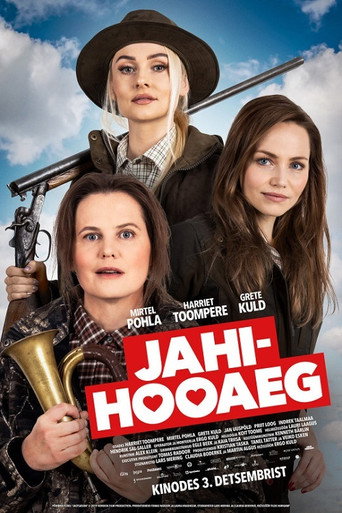
Hunting Season
Eva, 45, has recently divorced and is now afraid of losing both her son and her best friend to her ex’s new young, successful and brilliant sweetheart Isabel. To win back her positions, Eva goes on a road trip with her friend Marleen and Isabel, which makes the women confront different men, comical mishaps, even more comical quarrels, real hunting and most importantly themselves, forcing them to realise in the Christmas bustle what is most precious in life.
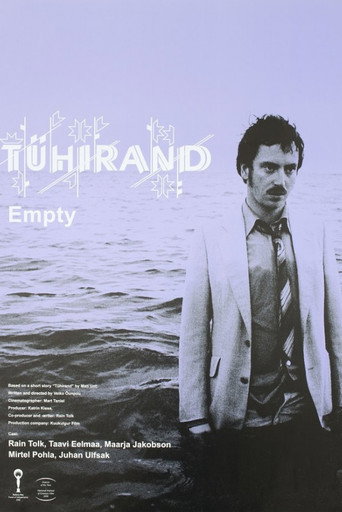
Empty
A young intellectual, Mati, engineers himself into a situation where he has to spend a weekend with his wife Helina and her lover Eduard. The trio goes to Eduard's summer house, surrounded by the majestic scenery of big forests and an empty beach. Mati, either out of jealousy or pride, has decided to win back his wife and will do anything his introverted and inert mind can come up with.

Shop of Dreams
Three friends return from a vacation and discover that the TV studio they work for has gone bankrupt - so they decide to start their own costume renting business.
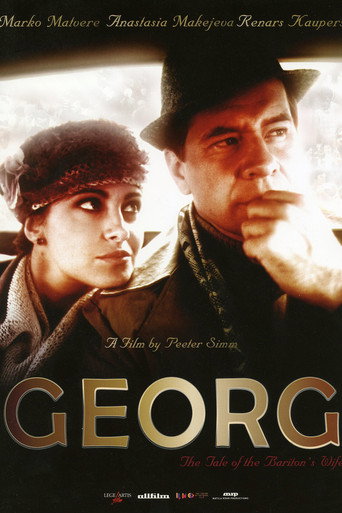
Georg
Unforgettable melodies, unique timbre and a memorable, soul-stirring voice. A mystery for women and authority for men, his talent was revered by the highest ranks of the Soviet Union and millions of ordinary people. Georg Ots took the stage when a huge country was recovering from the horrors of war, and his voice returned them faith in a bright future. Few people know what his life was really like.
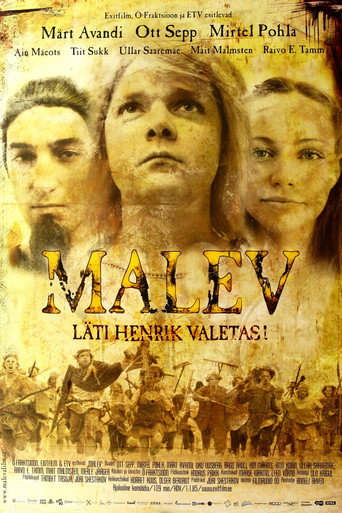
Men at Arms
Year 1208. The first Eastward enlargement of Europe is under way. Brutal forces of the Teutonic Order are steadily marching on. In their path live a simple and peaceful people, whose main pastimes include cultivating the earth, singing and, if possible, doing both at the same time. They are the Estonians. Ignorant in the ways of war, they find an unlikely leader in a young boy with Catholic upbringing. In their fight for freedom, the Estonians encounter numerous obstacles, including the Germans, French, Russians and, worst of all, the Latvians. Will they succeed in defeating their enemies or will they experience a cultural awakening?
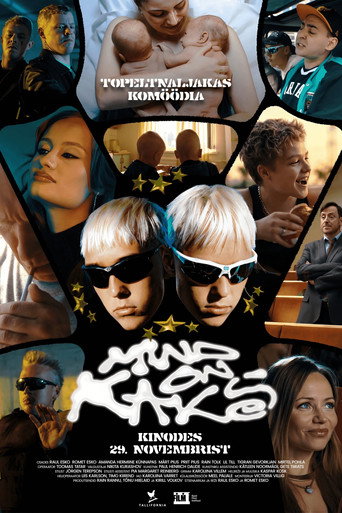
Two of Me
A humorous take on the specifics of being a twin, that puts the idea that two heads are better than one to the test. Raul and Romet Esko who have shared everything stand facing the challenge of starting an independent life. But how is being alone possible as a twin without being together? Seemingly even more impossible than that is the brothers’ goal to earn a living from filmmaking in Estonia.
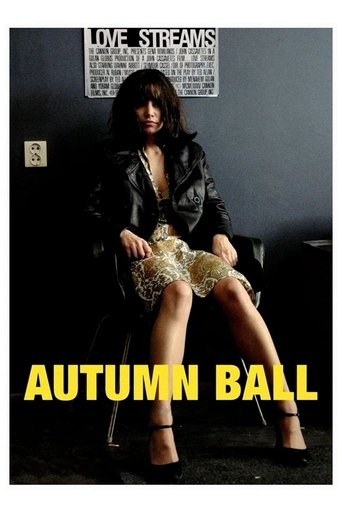
Autumn Ball
Autumn in Estonia, where six people live, six solitudes, prisoners of the monotonous architecture of Soviet-era concrete buildings, in search of human companionship, of love, of a ray of light in an ocean of gray.
Ash and Money
Film is based on "Unified Estonia" which was a fictitious political movement created by NO99 Theatre and a large portion of the public treated as a real political force. Its convention, held for more than 7200 people, was one of the largest theatre events in modern European theatre history.
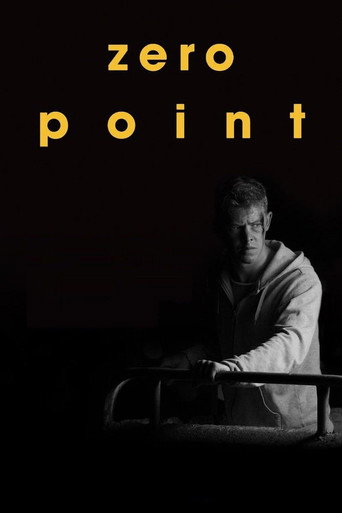
Zero Point
Sensitive and restless Johannes is accepted to an elite school in Tallinn and expects life to go uphill. Instead, he becomes the victim of mental abuse by his classmates. In search of recognition, he goes to his old Lasnamäe friends, who spend their time doing drugs, hanging around, and partying, rather than focusing on schoolwork. At home, Johannes must deal with his mother’s deteriorating mental health. As the tension grows, he finds himself at zero point, where he must completely reset his life to build it up from scratch.
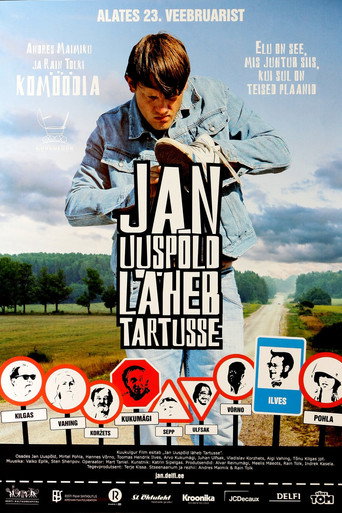
186 Kilometers
Jan Uuspõld is a talented actor who is not up to scratch due to his problems with alcohol. He makes up his mind to stop taking clownish roles and accepts a serious part in a play at Vanemuise theatre instead. His journey from Tallinn to Tartu becomes an unusual and in a way exaggerated voyage depicting the life and mentality of contemporary Estonia through various human natures, attitudes and ways of thinking.
Gallery