Directing
No biography available.
Memories and commentaries of non-professional actors combined with excerpts from films in which they participated as "protagonists," mixed with footage made of crews working on the sets of Zilnik's films.
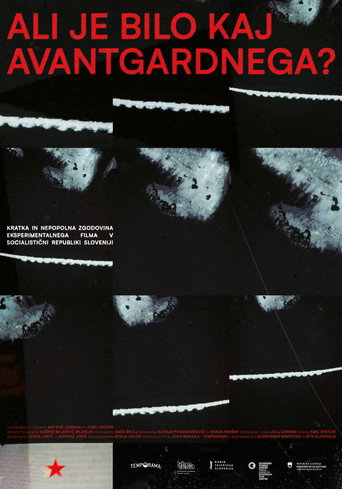
Between 2013 and 2023, Slovenian Cinematheque preserved and digitized 179 short films created on a tiny stretch of land between the Alps and the Adriatic Sea in the period of socialism (1945-1991), but mostly outside the prevailing state production. Today, we belatedly recognize these films as experimental and as an important, innovative part of the Slovenian film heritage, visible again for the first time after decades. The production of Alpe-Adria Underground! has radically accelerated efforts to preserve, digitize and restore this segment of Slovenian cinema.
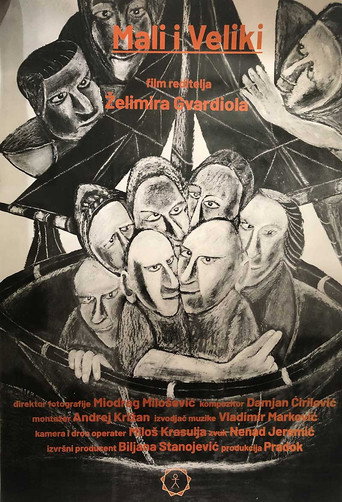
A documentary "Small and big", written and directed by Želimir Gvardiol made in a road-movie form, shows an important documentary subject - the consequences of the Nato bombing in Serbia. Stories of several people throughout the movie bring this movie a different level of authenticity and its dynamic rhythm.
Contemporary urban melodrama about three young couples who experience emotional crises and turning points in their relationships due to the circumstances in which they find themselves. The earthquake connects three stories in the same city in a cathartic way.
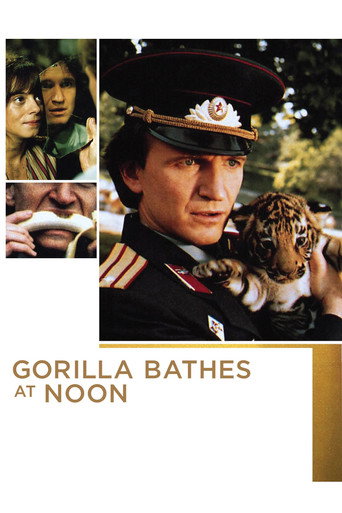
A Red Army major caught between East and West Berlin finds his wife gone and somebody else moved into his apartment.
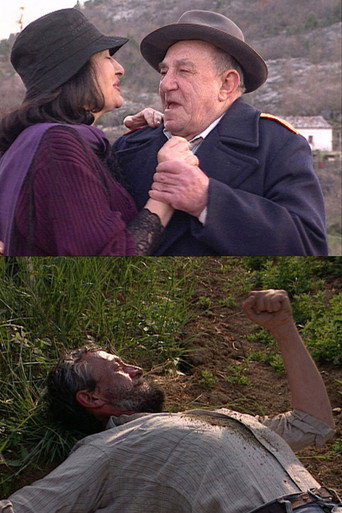
After decades of work in Italy and Germany, Giuseppe is retired and returns to his family home in Istria. He is lonely and his mother advises him to get married. She hands him over his father’s uniform from the Austro-Hungarian army. Giuseppe sets off on a quest to find a wife in the “transitional East” hoping to be warmly welcomed. The road takes him to Budapest, Montenegro, Vojvodina. His plan is not so easily realised...
A short experimental film.
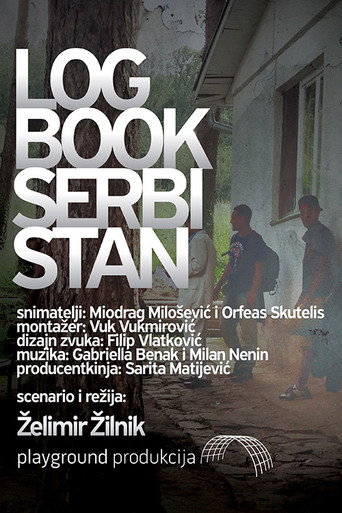
Illegal immigrants and asylum seekers in Serbia, placed in asylum centers after their dramatic journeys from war-torn and poverty-stricken areas of North Africa, Near and Middle East go through a period of adaptation to life and social circumstances in Serbia. In most cases, however, their goal is to reach one of the EU countries. Docu-drama is a space for them to, beside the socio-political context in which they found themselves, show their individual values, becoming heroes that viewers can identify with and whose destiny and struggle they can understand.
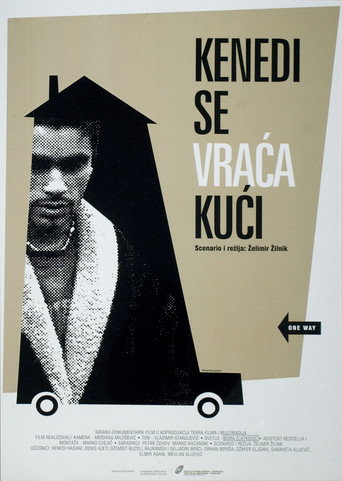
The first film in what would ultimately become Zilnik’s famed Kenedi trilogy follows street hustler Kenedi Hasani and his friend as they roam the streets of Serbia seeking Kenedi’s parents. Kenedi Goes Back Home is Zilnik’s account of the Roma people who were forced to flee from the war in the Balkans to Germany in the 1990s and who, ten years later, are forced against their will to return to Serbia. Zilnik shows the immigrants' lives in relation to the prevailing ideology shaped today by the borders between rich and poor and by the often-racist selection process that determines who will be accepted into Western Europe. In presenting the dilemmas and identifying the crises these people face, he appeals for a solution.
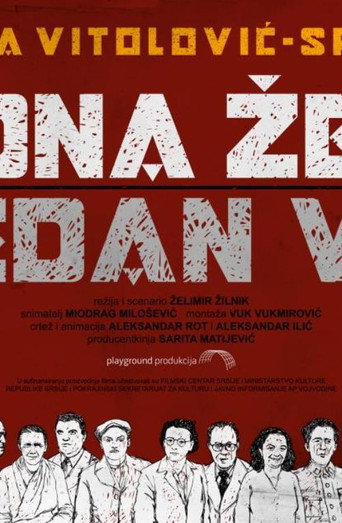
One Woman, One Century is a documentary film based on statements, interviews, and reconstructions of real-life events. The life story of Dragica Srzentić casts light on a number of events and people relevant to Yugoslav history before and after the Second World War. The film’s look at the century-long life of this woman-hero provides insight into the rarely mentioned segments of the ex-Yugoslav intellectual and ideological maze that traverses all the states in which this Istrian-born woman lived (Austria-Hungary, Kingdom of Italy, Kingdom of Serbs, Croats and Slovenes, NDH, FNRJ, SFRJ, Croatia, and Serbia).
A trans couple from 1990s Belgrade beholds their profession as a pacifistic mission, curbing the urges of rapists, gamblers and horny young men during turbulent periods in war-torn country.
Tito, lifelong president of Yugoslavia, is coming from his grave to once again talk to Serbs and to check what has changed since he was gone.