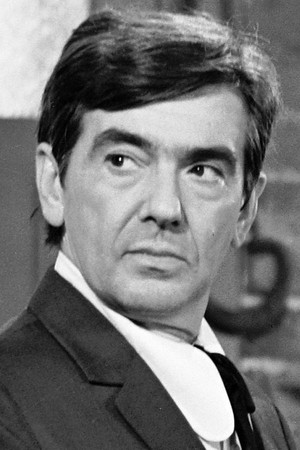
Miklós Gábor Movies, TV Shows, and Filmography
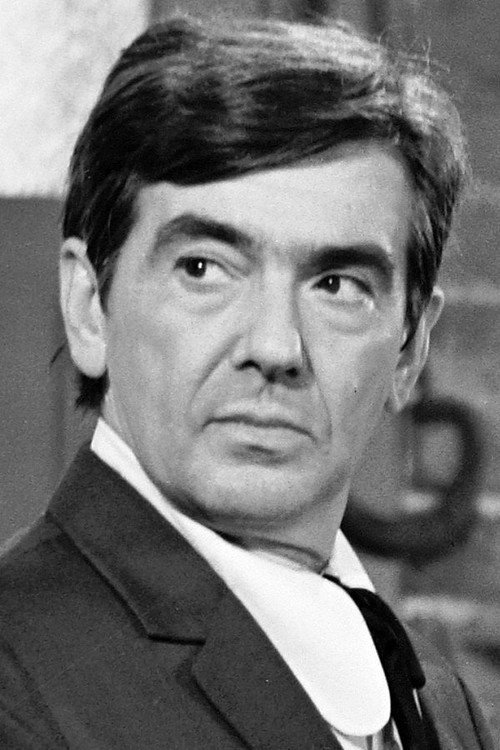
Miklós Gábor
Acting
Biography
Miklós Gábor (7 April 1919 – 2 July 1998) was a Hungarian actor, most remembered for his roles in films Valahol Európában and Mágnás Miska. He was husband to Éva Ruttkai, and later Éva Vass. Miklós Gábor was born 7 April 1919, in Zalaegerszeg. After finishing the Academy of Drama in 1941, he joined the Madách Theatre. From 1945-1954 he was the member of the National Theatre, leaving in 1975 for the Katona József theatre in Kecskemét. From 1979 to 1984, he worked in the Népszínház theatre, after he returned to the National Theatre. In 1991, he joined the Független Színpad theatre. He died on 2 July 1998, in Budapest. Miklós Gábor is rememberd as a suggestive, reflective actor, a prominent character of the theatrical world emergingin Hungary after 1950. Besides acting, he also directed from 1970. He won the Kossuth Prize in 1953. Description above from the Wikipedia article Miklós Gábor, licensed under CC-BY-SA, full list of contributors on Wikipedia.
Filmography Movies
Acting
Father
When young Tako's father dies in Hungary in 1945, Tako is left with scant memories of him. Nurtured by his mother, the boy fantasizes about the man his father was, imagining him a hero. Grown into a man himself, Tako falls for a Jewish refugee, Anni. Burdened by her own heritage as a Jew, Anni sparks in Tako a desire to find out what his father was really like, and he delves into the role his father played in World War II.
A helyseg kalapacsa
13 March 1965 (Hungary)
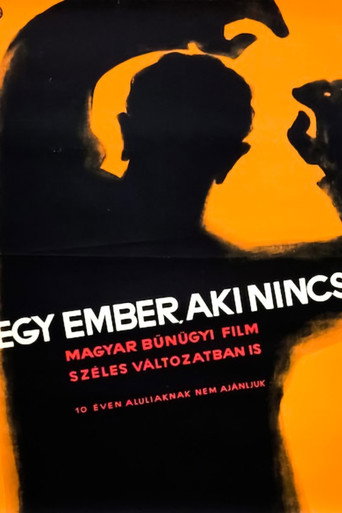
Egy ember, aki nincs
During a mining accident, the police arrest the sole survivor on suspicion of murder, whose pickaxe is stained with the blood of one of the victims. The investigation reveals that the identity card found on the victim belongs to another person, that the collapse was deliberate and that the miner believed to be the victim has escaped.
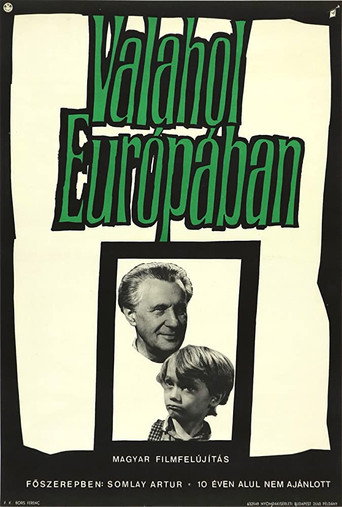
It Happened in Europe
1944. A band of runaways and orphans of the war scour the countryside in search of food and shelter. They invade and then taken in by a musician and former concert pianist who’s hiding out in a ruined castle. After the initial altercation between them the gang accepts his guidance and he wins their respect by protecting them from the elements.
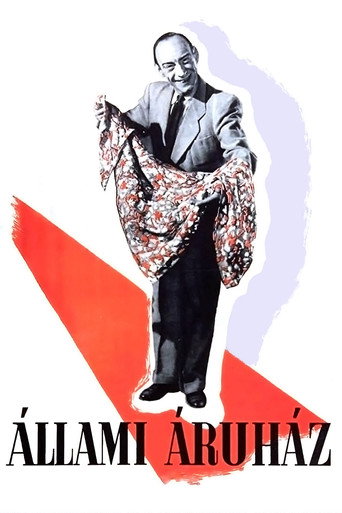
The State Department Store
Kocsis Ferenc excellent staff appointed the new director of public stores. Ilonka a talented fashion designer, Boriska a dear, Daniel, a overzealous, Klimke, a conservative sale and Glauziusz uncle, conscientious, honest book promotes the work. Ilonka initially rather just keep arguing, even though both of their lives off the job. The selfishness will love soon. Dancs Meanwhile, the old manager spreads the rumor that the new socialist trade can not meet the demand. Relatives and friends start buying into action, leading to mass hysteria. However, the new store is borne by the customer siege until the arrival of the supply.
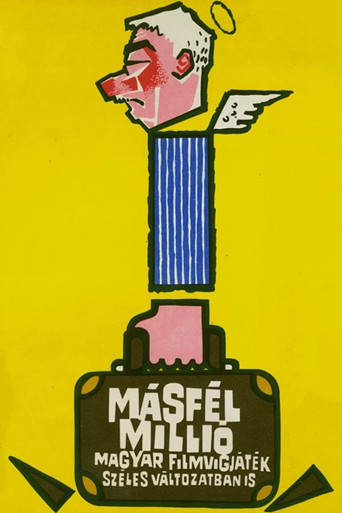
Másfél millió
Mihai Toth worked for forty years as a watchman in a timber warehouse. On his last watch, there was a fire: the warehouse burned to the ground. The damage amounted to one and a half million forints. It was a terrible blow to Mihai, who had worked honestly all his life. Suddenly it turns out that Mihai has won one and a half million forints in a lottery. Wanting to save his good name, he wants to deposit this sum in the state treasury. But it turned out to be not so easy: the cause of the fire has not been established and Mihai's guilt has not been proved. That's why nobody had the right to take money from him. For a long time Mihai wandered from one institution to another with a request to accept money from him, but everything was in vain. Then the old man tried a trick...
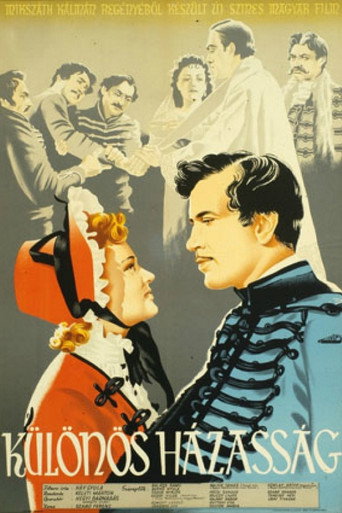
A Strange Marriage
Count János Buttler rushes home to his parents and his beloved for the school holidays. On the way, they stop at Baron Dőry's house, where János is deviously trapped. In the presence of false witnesses, he is forcibly married to Baron Dőry's pregnant daughter. The swearing priest is the father of the unborn child. Although Buttler, his family and friends do their utmost to have the marriage annulled, the Church and the court, fearing for his authority, will not allow it. John Buttler and his lover therefore choose another way to divorce.
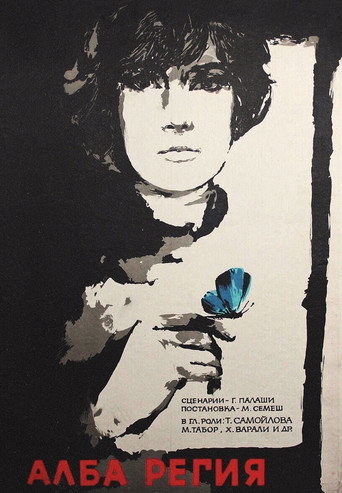
Alba Regia
A Hungarian doctor, Dr. Hajnal, who always considered himself out of politics, falls in love with the Soviet intelligence agent, the radio operator Alba, operating in the occupied Wehrmacht of Hungary. By accident, the radio operator is hiding in the doctor’s house. Hainal is drawn into a life-threatening confrontation with the Germans. A difficult question arises before him: to remain neutral when people die around and Alba is threatened with death, or to remain an honest person — to make his personal choice and take part in this struggle.
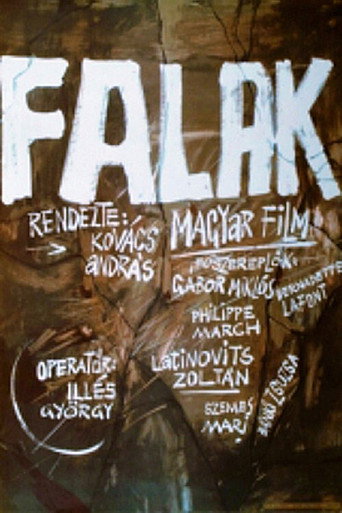
The Lost Generation
The engineer Ambrus has been suspended in his job because he publicly called the attention of the customers to a construction mistake of some goods designed to be exported. His immediate boss learns the news on a business trip to Paris. He meets his old friend Lendvay, an emigrant from Hungary, and his French wife in a cellar bar. After their talk Benkő starts seeing things in a different perspective. When he returns home, he decides to take a stand for Ambrus against Ferenczi, the general director, despite his wife's and the old director's advice.
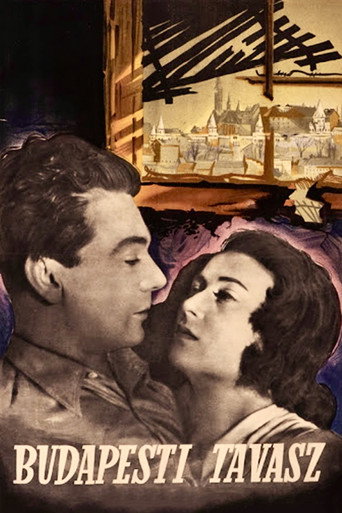
Springtime in Budapest
At Christmas Eve in 1944 the runaway Pintér and Gozsó get through the Soviet blockade around Budapest. Pintér intends to hide in a flat abandoned by his own relatives, but he finds his relatives called the Turnovszkys, who are hiding the Jewish Jutka as well. Love unfolds between Zoltán and Jutka.
Gallery