Miklós Béres Movies, TV Shows, and Filmography

Miklós Béres
Acting
Biography
Béres Miklós is a Hungarian actor and acting coach known for his work in international film and independent productions. He gained international exposure with a role in the television series Baptiste, where he played András Juszt, marking one of his first appearances in a widely distributed production. Expanding into global productions, he has been involved in titles such as The Terminal List: Dark Wolf, Pretty Lethal, and Orphan 3. His performances are often defined by subtle intensity, portraying layered characters who carry an inner tension or something to hide beneath the surface. He has appeared in some 70 micro-budget short films, often collaborating with film students and emerging directors. Through these projects, he has helped shape performances that demonstrate the wide range of what an actor is capable of, bringing depth, precision, and versatility even to the most minimal productions that highlight his affinity for intimate, character-driven storytelling. Miklós also collaborated on the film Captives, directed by Academy Award-winning filmmaker Kristóf Deák, further strengthening his presence within internationally recognized projects. Alongside his acting career, Béres works as an acting coach, applying a structured and analytical approach to performance, with a focus on building characters from the inside out. His body of work reflects a consistent interest in psychologically complex roles and a steady progression from independent filmmaking to internationally visible productions.
Filmography Movies
Acting
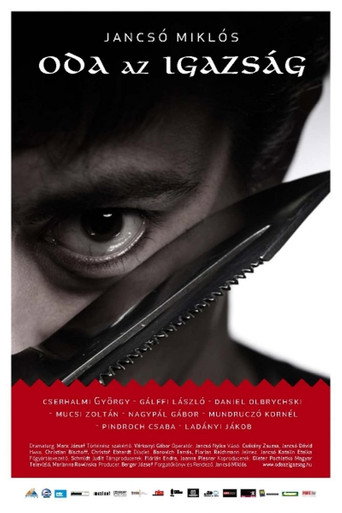
So Much for Justice!
Concerning the Mátyás era in Hungarian history, during the reign of Matthias Corvinus (1443–1490), the film focuses on three eras of the king's life: the young Mátyás fights for the throne, the older Mátyás as king, and the fate of the royal crown and the royal heir after his death.

Tinnitus
When a mysterious sound suddenly appears from nowhere, two lovers are forced to take shelter in an underground refuge.
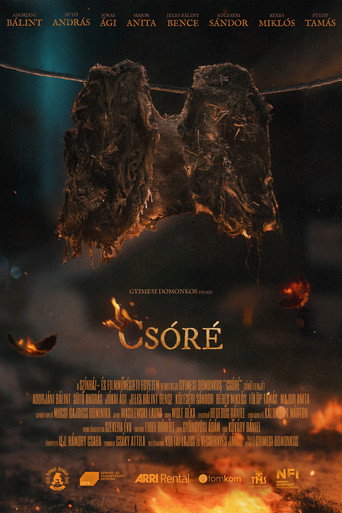
Csóré
In a small village, a terrible epidemic is decimating the people. Desperate men, in the absence of a priest, try to end the horrors with their own methods. They believe that the cause of all troubles is a demon called Csóré. One day a stranger arrives in the village.

Maria
Maria Callas, the world's greatest opera singer, lives the last days of her life in 1970s Paris, as she confronts her identity and life.

Pretty Lethal
A troupe of ballerinas find themselves fighting for survival as they attempt to escape from a remote inn after their bus breaks down on the way to a dance competition.
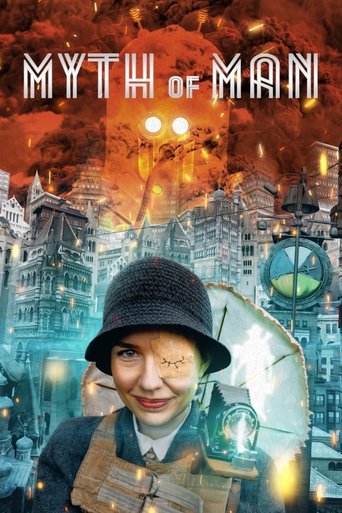
Myth of Man
Ella embarks on a whimsical odyssey between life and death, convinced she has received a message from her creator.
Gallery