Mikhail Smolenskiy Movies, TV Shows, and Filmography
Mikhail Smolenskiy
Acting
Biography
No biography available.
Filmography Movies
Acting
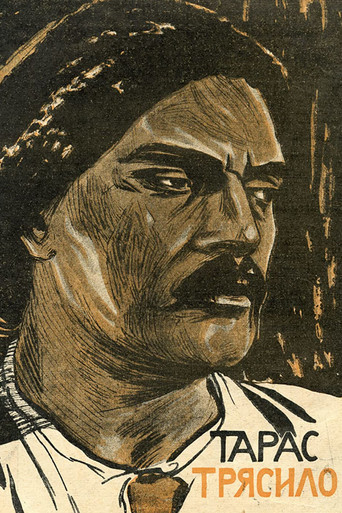
Taras Tryasylo
It's the 17th century, when social antagonism is at its peak. The poverty of peasants and poor Cossacks is opposed to the lavish lifestyle of the Ukrainian and Polish noblemen, priests, and Cossack officers. Cossacks fight off Tatars’ attacks, however, they start to realise that the real enemy is much closer. Taras Triasylo raises Cossacks to help the rebellious peasants.
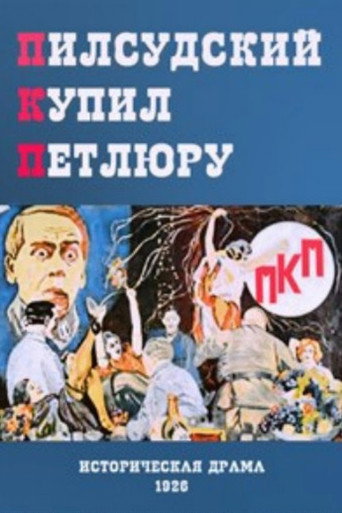
P.K.P.
The defeated remnants of vile Ukrainian nationalists, headed by the leader of the Ukrainian liberation movement, Symon Petliura, cannot accept their historical fate and are plotting an insurrection against the Soviet regime in Ukraine. There is nothing Petliura and his cohorts would not do to win back control over Ukraine, including selling it to the highest bidder, in this case, the Polish dictator Jozef Pilsudski. A group of plotters are coordinating an insurrection in Kyiv with an attack from Poland headed by Petliura’s general Yurko Tiutiunnyk. Predictably, the invincible Red Army defeats the nationalist plotters and proves that the Soviet borders are impregnable.
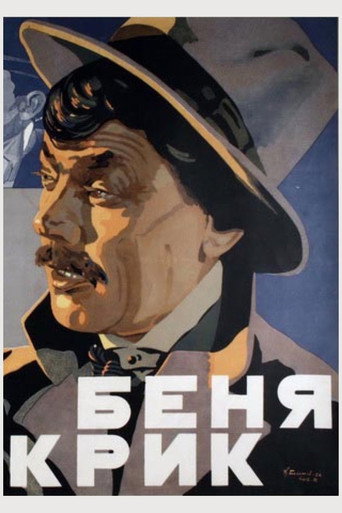
Benya Krik
The seamy Jewish underworld of Odesa is the setting for Isaac Babel's story based on the life of gangster king Mishka Yaponchik "Mike the Jap" Vinnitsky. Murder is a way of life for Benya and his gang until he finds himself ensnared in a Bolshevik trap.
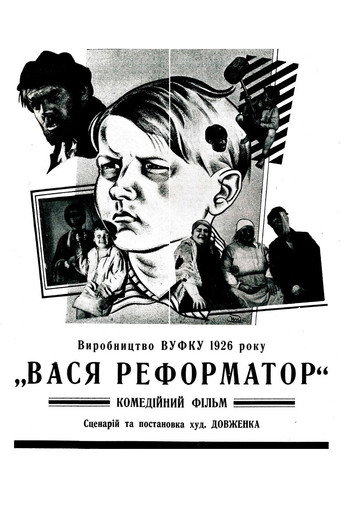
Vasya, the Reformer
Lost film directed by Oleksandr Dovzhenko (his first film) and Favst Lopatynskyi. It is a satire of the NEP period. Vasia, the son of a factory’s worker, is attracted by the romance of adventures. And he goes to look for them. He saves a drowning drunkard who tries to beat him. Vasia escapes from him in a vehicle parked on the shore. However, the vehicle belongs to a superintendent who, when he does not find it, stages its theft. Meanwhile, Vasia exposes priests in the church. As a result, the church is turned into a cinema, and the priest becomes a cinema technician. And finally, Vasia’s last deed is catching a criminal at home and denouncing him to the militia.
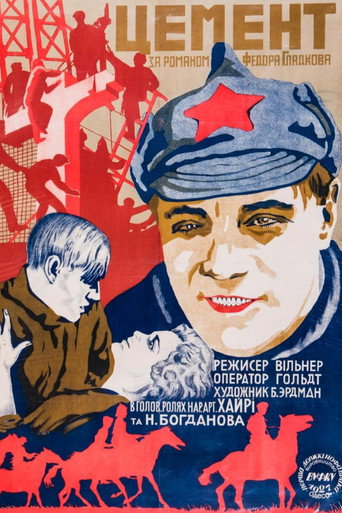
Cement
A Soviet film about construction workers.
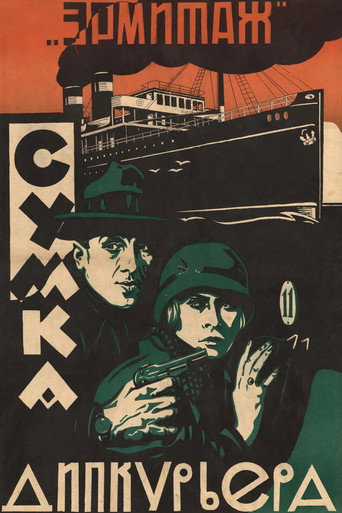
The Diplomatic Pouch
The Soviet embassy in England sends two couriers with diplomatic mail to Leningrad. The inspector of security police, White, and a group of policemen attack the Soviet diplomatic couriers at night. The documents get to an English trackman, who gives them to his son, a sailor in Portsmouth.
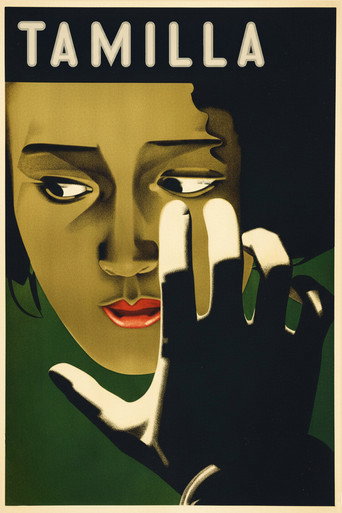
Tamilla
Algeria, run by the French administration. Tamilla is a cheerful girl whose father, a respected member of the Méziane community of Kabylians, is looking for a favorable marriage. Mezian promises his daughter to the old merchant Lakhrash. This does not prevent him from selling Tamilla almost immediately for the second time, this time to a young handsome man named Akli, with whom the girl experiences short-term happiness. But later, Akli thinks about another wife. At the same time, Meziane is scheming to lure more money from Akli and pay off Lakhrash. Having already given birth to a child with Akli, Tamilla finally falls into Lakhrash's hands. Everything ends in tragedy, and Tamilla is imprisoned by an unjust sentence of French judges who are insensitive to Berber problems. Although Tamilla will be released, she is already "damaged goods". The film premiered in Turkey 92 years later with a special screening at the 56th Antalya Golden Orange Film Festival.
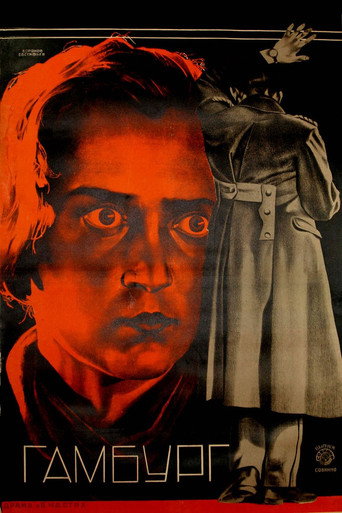
Hamburg
Germany, 1923. Workers, called to the struggle by the communist Niels Unger, seize the arsenal and turn every building into a fortress. The social democrat Buk does not fulfill Unger's order to blow up the bridge over the Elbe, so the Reichswehr troops enter the city. A bloody massacre begins. Nils Unger is arrested. Buk, who is associated with the punitive leader Meins, betrays the rebels during interrogations. A trial is scheduled for the rebels. To avoid political publicity during the trial, Nils Unger is declared insane, but manages to escape from the prison hospital. Once again, his call resounds through the streets of Hamburg: "Save your guns!"