Mike Hoolboom Movies, TV Shows, and Filmography
Mike Hoolboom
Directing
Biography
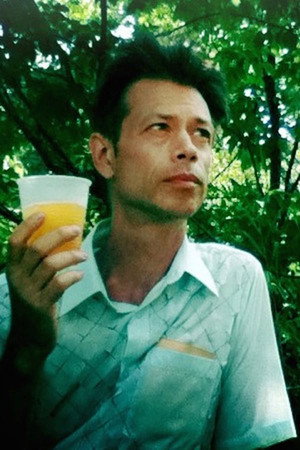
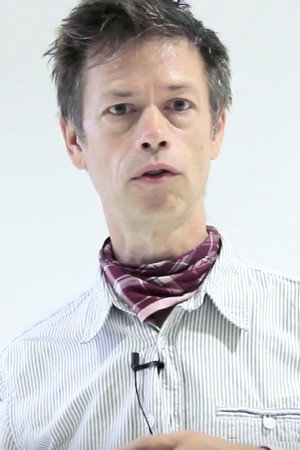
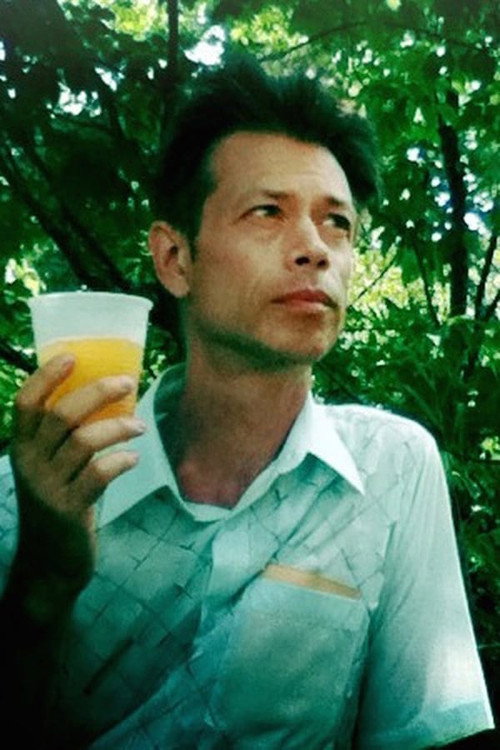
Michael "Mike" Hoolboom is a Canadian independent, experimental filmmaker. Having begun filmmaking at an early age, Hoolboom released his first major work, a "film that's not quite a film" entitled White Museum, in 1986. Although he continued to produce films, his rate of production improved drastically after he was diagnosed with HIV in 1988 or 1989; this gave a "new urgency" to his works. Since then he has made dozens of films, two of which have won Best Short Film at the Toronto International Film Festival. His films have also featured in more than 200 film festivals worldwide.
Filmography Movies
Acting
How to Watch Pornography
A movie essay using theory fragments from porn studies pioneer Linda Williams, radical gender theorist Paul Preciado, feminist theorists Hortense Spillers, Karen Barad and more. A variety of hazy, lo fi clips rub up against an isolated digerati immersed in temporary pornutopias. Why not name it a small collection, a modest archive of sexual imageries and pleasures? The relationship between monopoly capitalism and sexual imaging is laid bare, along with the production of a gendered subject, the question of post-pornography and its new identity formations.
Antigone
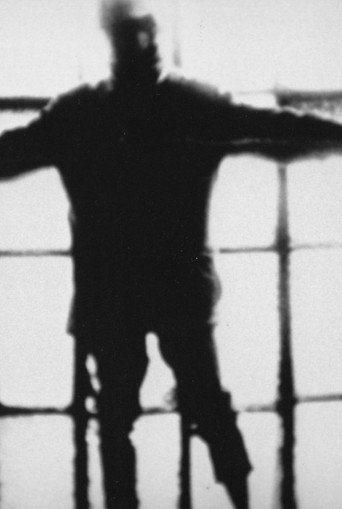
“Shot in an abandoned warehouse, documenting a contemporary adaptation of the Oedipus story by a group of Toronto experimental filmmakers, Antigone is both a documentary about searching for meaning and validity in the old story, and a fiction about the failure to find any value but parody.” - Gary Popovich
Faultlines
“In a tapestry of migratory luck, artifacts and shells, a mixed choir of images and sounds engages the paradox of a journey that loses all meaning once it reaches its end. The film’s westward inclination to the American shores of the Pacific, bound in a pitiless growth and decay, drives a dense montage, woven with guns and prayers.” - Gary Popovich
Pensão Globo
A man faces his approaching death. He takes a journey, his last perhaps, and ends up at the Pensão Globo in Lisbon, where he sets out on aimless excursions through the city. The film depicts a life in a state of transition. Sometimes it's like I'm already gone, become a ghost of myself.
Vacancy
Brasília, the "city of hope", "the ultimate utopia of the 20th century" , is being conserved as a cultural heritage today. It is a place as old as the filmmaker. Segments of amateur footage and of feature films shot on location in the early sixties are inserted in his 1998 travelogue. The utopian city as represented in "Vacancy" is a place abandoned from its inhabitants, a museum kept alive by its staff only.
Buffalo Death Mask
For more than two decades Mike Hoolboom has been one of our foremost artistic witnesses of the plague of the twentieth century, HIV. A personal voice documenting and piercing the clichéd spectrum of Living With AIDS from carnal abjection to incandescent spirituality, no surviving moving image visionary surpasses him. Buffalo Death Mask is a three-part meditation — visual, oral and haptic, both campy and ecstatic — on survival, mourning, memory, love and community. A conversation between Hoolboom and visual artist Stephen Andrews, both long time survivors of the retrovirus, floats over what seems to be a dream of Toronto and some of its ghosts. No one savours the intimations of immortality inherent in recycled footage like Mike, no one else understands how processed Super 8 can answer the question “Why are we still here when so many are gone?"
Sleepy Haven
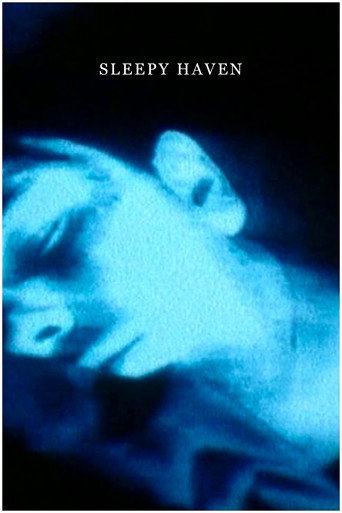
Matthias Müller's SLEEPY HAVEN is explicitly taking up the spirit of Kenneth Anger's FIREWORKS. SLEEPY HAVEN materializes fantasies of an erotic daydream; the film is a cocktail that merges Müller's own shots and found footage like a love act. Nude bodies of sailors are flaring up in flickering solarization effects; they are given an ardent aura of physical desire by this tattooing of the film emulsion. Müller only gradually changes his material metaphors to metaphors of love. But it is not only FIREWORKS the film is alluding to; there is yet another classic shimmering through Müller's imagery: Jean Genet's Un Chant d'Amour.
Tales from the Winnipeg Film Group
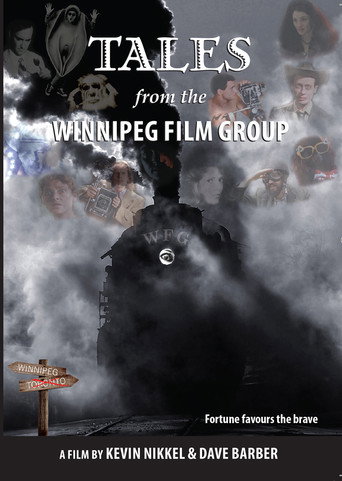
The explosive story of how a stubborn band of independent filmmakers started a film co-operative that became the most highly respected and mythologized film centre in Canada. Tales outlines the tremendous importance and impact of Winnipeg on the national filmmaking scene. Packed with rare archival footage, dynamic film excerpts, and hilarious interviews, this documentary traces the history of the legendary Winnipeg Film Group. We hear candid behind the scenes stories that illuminate the storied rise of acclaimed filmmakers like John Paizs (Crime Wave), Guy Maddin (Tales From The Gimli Hospital, My Winnipeg) Shawna Dempsey and Lorri Millan (We’re Talking Vulva, Good Citizen, Betty Baker) and Caroline Monnet (Ikwe). Often mired in controversy, the Film Group has been acclaimed at film festivals around the world – attested to by several Toronto film luminaries in the film – for subversive, original filmmaking. This documentary continues that tradition of bold, exuberant work.
Scattering Stars
A paean to light, a glittering bodice of a film that rapturously unfolds its subject with a shimmering luminosity.
Land of Not Knowing
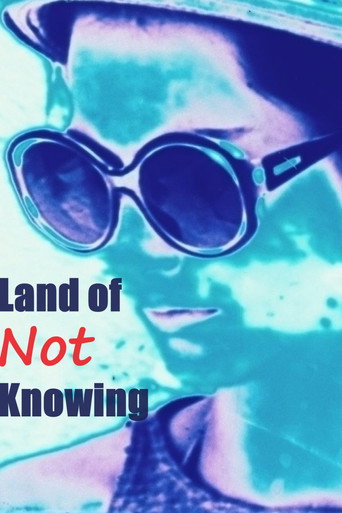
How can we express the emotional experience of depression and suicide and overcome the stigmas associated with mental health? Sanguedolce’s experimental documentary brings together four artists (including experimental filmmaker Mike Hoolboom), who speak with refreshing honesty about how thoughts of suicide have dominated their personal and creative lives. Shot on 16mm and hand-coloured, the flow of images creates a poetic visual response to the stories presented on the soundtrack and allows space for reflection.
Production
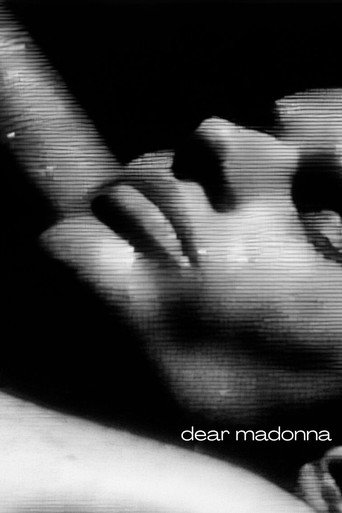
Dear Madonna
Jason returns with another letter to Madonna, thanking her for letting him be her "mistress".
Justify My Love
Hoolboom takes the music video for Madonna's "Justify My Love" and runs it alongside a transgressive letter to Madonna from her schoolmate, Jason.
Freedom from Everything
Personal film essay about two pandemics: AIDS and Coronavirus. Body memorials, survivor stories, remembrances. Both plagues are reframed by neoliberalism and its central mythology of personal freedom, brilliantly laid out in Hito Steyerl’s essay gem “Freedom from Everything” which is adapted and shapeshifted here. Pronouncing on the new precarity of the freelancer, Hito wryly observes that they have “freedom from everything,” from a good job, health care, affordable housing… Featuring Maggie Thatcher, Guy Fawkes, George Michael, James Baldwin, Akira Kurosawa and David Wojnarowicz.
White Museum
“The cinematic equivalent of flipping the bird, White Museum is an audacious and often hilarious early effort by master provocateur Mike Hoolboom. Viewers must wait about 30 minutes to see the one and only image in the film. In the meantime, Hoolboom expounds on everything from old lovers to making movies to living in the big city. With unabashed irony, he argues for a cinema without images, while simultaneously describing the images he would show if he had the cash. For a film that appears on the surface to be literally about nothing, White Museum becomes a veritable cornucopia of semiotic jokes and meanings, as well as a rich statement on the nature of cinema itself.” –Jason McBride, Canadian Film Encyclopedia
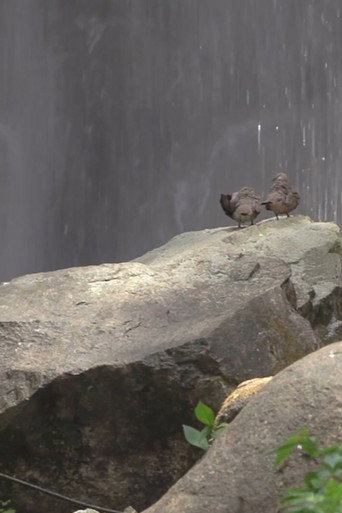
For the Birds
One of my father's favourite expressions, mostly passed away now: for the birds. Meaning: that was nothing. In this aviary anthology, the narrator describes a post-art life that leads, inexorably, to the nature of nature.
Gramsci’s Notebooks
After a ruinous engagement, the unnamed narrator alights for Palermo in order to take up with his dead Italian friend, Antonio Gramsci. He was the primal scene of Italy’s Communist party, and for his tireless reporting and befriending the working class he was jailed for over a decade. The state would ruin his body but not his analysis of power, which he poured into 20 notebooks. This philosophical travelogue, a nomadology of resistance and digression, searches citizen faces in order to find the origins of culture.
The Central Gesture
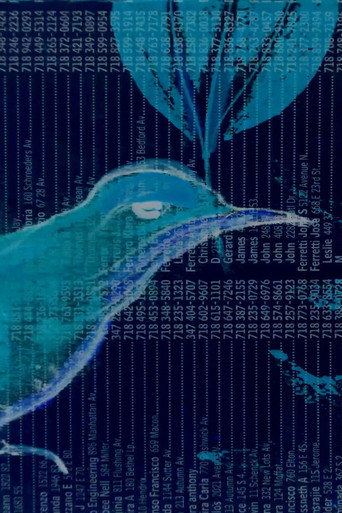
Based on a text by Lisa Robertson (from her bracing book Nilling), a meditation on how cities are bound not by geography but laws and rules designed to exclude. Who is fully human and who works for minimum wage, or no wage at all? Between the titles, home-made animations pulse across the frame offering layered book fragments painted over with limbs, flowers and animals.
I Touched Her Legs remix
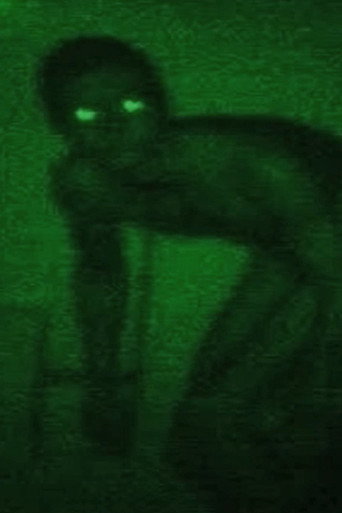
Eva Marie Rodbro’s embedded ethnographic maestro short, originally shot in Brownwood, Texas in 2009, is given a fan remake. Night vision animal life and teen hangouts conjure a temporary and fragile collective, while conversation fragments, alternately performed and raw, shouted and whispered, collide.
Close-Up
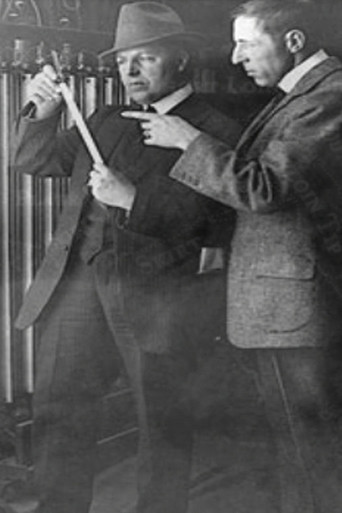
Tasked to produce a short intro to my feature-length essay Cut, I turned to the origins of the close-up, in a scene featuring camera person Billy Bitzer and director D.W. Griffiths. How to live in this new body, with its cuts, its fissures and fractures?
After Drowning
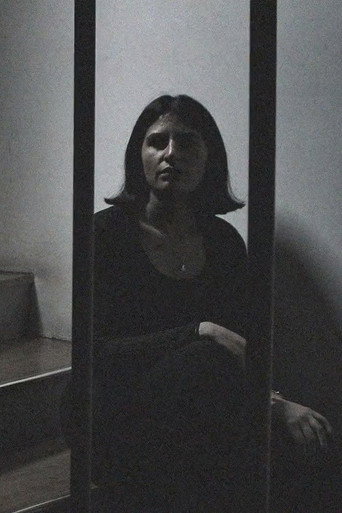
In this dramatic short, a refugee crosses the ocean to escape the ravages of war, but loses family along the way. The musings of poets (Brand, Carson, Vuong) become his conscience and reflection. Shot with a lyric intensity, as if everything was being seen for the first or final time, in Colombia, Georgia and Canada.
Gallery