Miguel Littín Movies, TV Shows, and Filmography
Miguel Littín
Directing
Biography
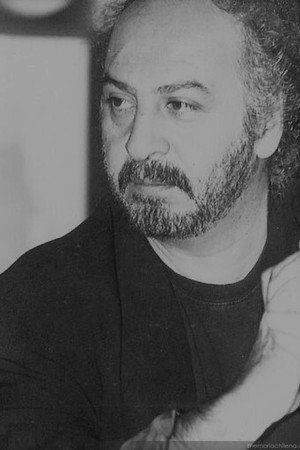
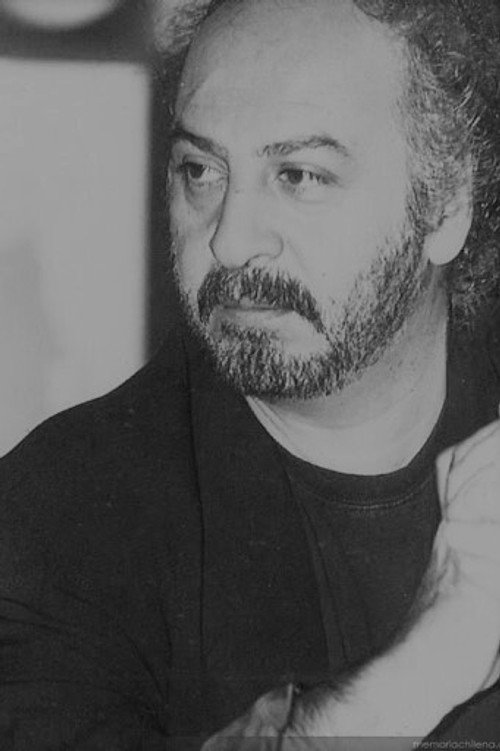
Miguel Ernesto Littín Cucumides is a Chilean film director, screenwriter, film producer and novelist. Miguel Littín directed the most popular Chilean film of all times, El Chacal de Nahueltoro (1969) becoming a figure of the New Latin American Cinema. In México he directed several films. Letters from Marusia, based on a miners strike in Chile. Letters from Marusia was nominated for the Academy Award for Best Foreign Language Film. El Recurso del Método (Long Live the President) based on the Alejo Carpentier's book El Recurso del método (Reasons of State) a co-production with Mexico,France and Cuba. The Widow of Montiel with Geraldine Chaplin based on a Gabriel García Márquez short story. Then he went to Nicaragua to do Alsino and the Condor, based the novel Alsino by Pedro Prado. In 1981 he was a member of the jury at the 12th Moscow International Film Festival. He moved to Spain in 1984, Littín decided to enter Chile clandestine to do a documentary that showed the condition of the country under the Pinochet's regime. It was made the subject of Nobel Laureate Gabriel Garcia Marquez's book Clandestine in Chile: The Adventures of Miguel Littin. He eventually returned to Chile where he continued to make films, among them Tierra del Fuego based on the adventures of Julius Popper an explorer and Dawson, Isla 10, about a group of political prisoners sent to Dawson's island during Pinochet's regime. Littín was the mayor of his home town in the center valley, Palmilla in 1992-94 and re-elected for the period 1996-2000. His films Actas de Marusia and Alsino and the Condor were nominated by the Academy of Motion Picture Arts and Sciences for Best Film in a Foreign Language. Alsino and the Condor won the Golden Prize at the 13th Moscow International Film Festival. His 2005 film The Last Moon was entered into the 27th Moscow International Film Festival.
Filmography Movies
Acting
El Analfabeto
Two guerrillas (Miguel Littin and Jorge Guerra) wander lost in the desert until one of them dies. A jeep appears in the distance to rescue the survivor, but unable to read the signs of comradeship pointed out to him by the drivers of the vehicle, he shoots them.
Santiago, Italia
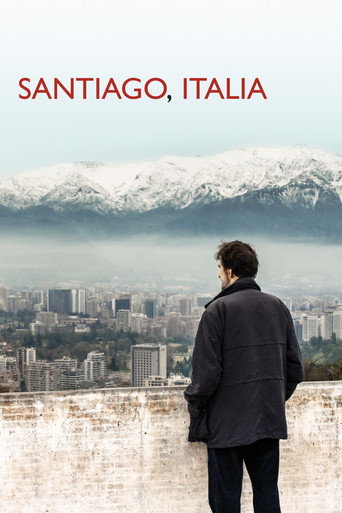
After the coup d'État of the Democratic government of Allende, the embassy of Italy in Santiago played a major role in helping the opposers of the regime, and extradited many of them to Italy.
Ana
Sequences that illustrate moments in a woman's life, in parallel to the political events happening in South America during the 60's.
Érase un niño, un guerrillero, un caballo…
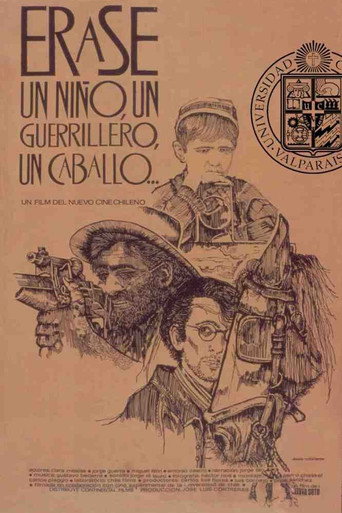
Feature film that wraps, through Jorge Lillo's text, three short films by Helvio Soto
Claves, 4: Memories of Cuban cinema
Documentary in four parts on Latin American cinema. Fourth episode: in Cuba, the ICAIC, created in the aftermath of the Castro revolution, is at once a film school, a production company and a state cultural branch. Cuban filmmakers testify to the situation and themes specific to their national cinema.
Chile: A Genral Record
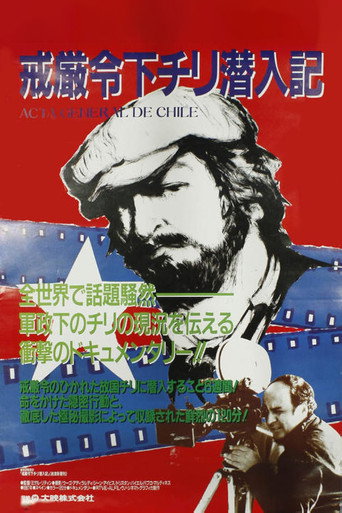
In 1985, exiled director Miguel Littín secretly reentered Chile to film this sweeping documentary portrait of the country under the dictatorship of Augusto Pinochet. Shot clandestinely and later released as a four-part television series, the film combines interviews, historical reflection, and on-the-ground footage to examine Chile’s political climate more than a decade after the 1973 coup.
Production
Yo tenía un camarada
A boy goes to his friend's funeral procession. When he realizes that his grave does not have flowers like the others, and that he does not have money to buy them, he goes out looking for some in the streets of Santiago.
Letters from Marusia
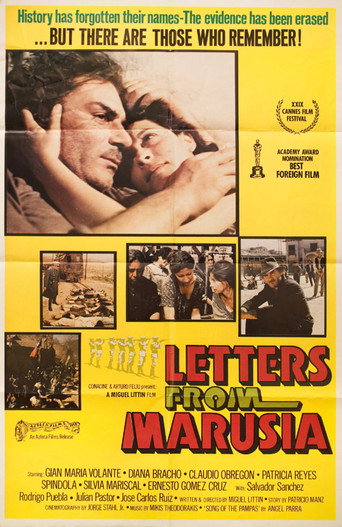
Chronicle of the repression that a foreign company exerts on the miners of a small nitrate town in Chile, whose workers decide to claim their most essential rights. A reflection of the historic union struggles in the northern Chile that ended with terrible repressive acts.
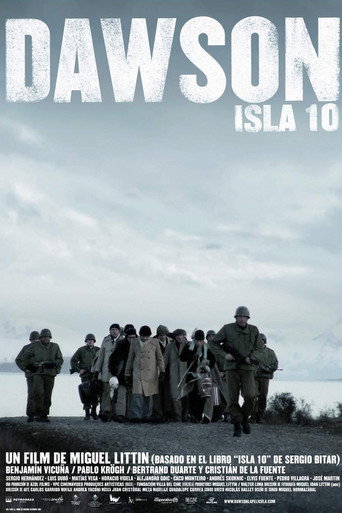
Dawson Isla 10
After the 1973 coup that deposed Allende and brought Pinochet to power in Chile, the former members of his cabinet are imprisoned on Dawson Island, the world's southernmost concentration camp. Here these men are determined to survive and provide history with their testimony.
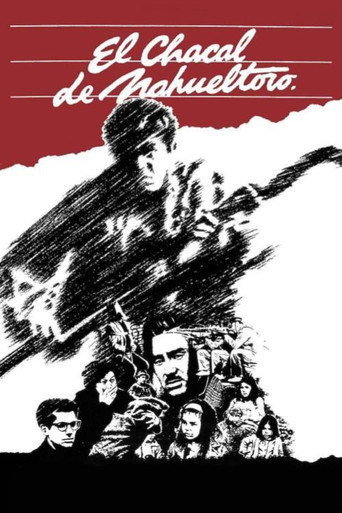
Jackal of Nahueltoro
Based on an actual murder case that ignited a furious debate over the death penalty in Chile in 1960, this experimental social drama portrays the life and death of an illiterate peasant who, while drunk, murdered the woman with whom he had a relationship and her five children.
Jackal of Nahueltoro
Based on an actual murder case that ignited a furious debate over the death penalty in Chile in 1960, this experimental social drama portrays the life and death of an illiterate peasant who, while drunk, murdered the woman with whom he had a relationship and her five children.
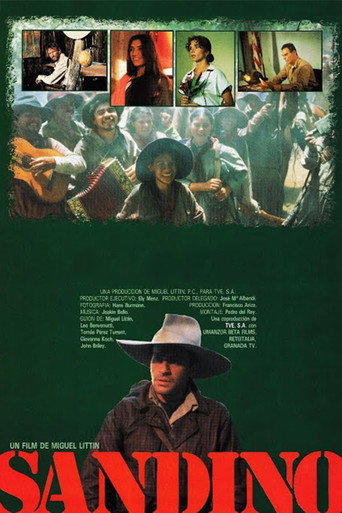
Sandino
Narrative of a period of life (1926 - 1934) of the Nicaraguan revolutionary leader Sandino, who was known as "The general of free men."
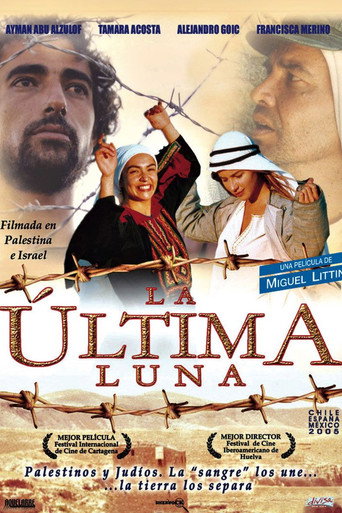
La última luna
Palestine 1914. One morning in July, Soliman, a young Palestinian and Jacob, his Jewish friend, begin to build a house in Beit-Sajour, in the hills of Judea, with stones brought from Beit-Jala, while the apparent stillness of the place is interrupted by bursts of violence that anticipate the future days of the war.
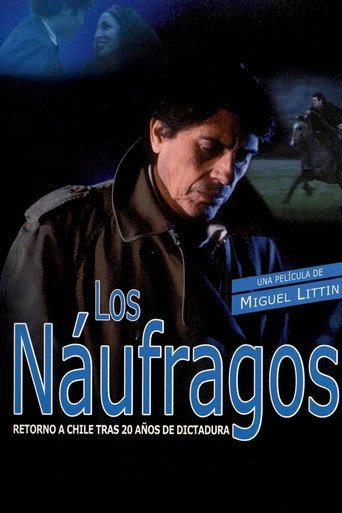
Los náufragos
After 20 years of exile, Aron returns to Chile to find out who he is. He asks questions, not only of those who stayed behind but also of himself, examining his relationship with his past and his own memory. The people who stayed lived through 20 years of dictatorship. They were either victims or executioners. Amidst this wreckage, Aron wonders what name his brother is using now, where his father is... Can he, in Isol's arms and through her love, find his way again ? What future awaits him? Like Mola the torturer, he has returned from an impossible journey, and Aron knows that each man is his own executioner. Shipwreck and resurrection are the two facets of a complex truth.
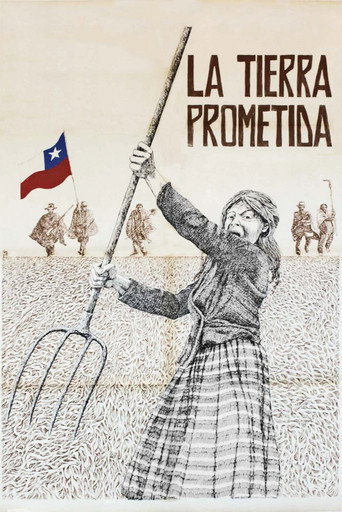
The Promised Land
During the socialist government of Marmaduke Grove in 1932, a group of villagers decide to take some land in the area of Palmilla. Almost like a mythical journey, problems arise when seated and in a position to bring the socialist ideal in the population. Everything becomes more complicated with rumors that the reactionary forces have overthrown the socialist government. A movie that because of the coup was not released in Chile and was only terminated by Littin in exile in Mexico.
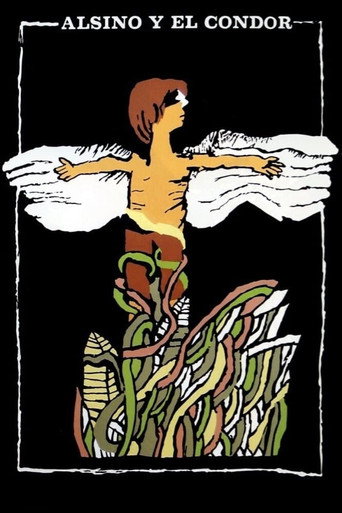
Alsino and the Condor
Alsino, a boy of 10 or 12, lives with his grandmother in a remote area of Nicaragua. He's engulfed in the war between rebels and government troops when a US advisor orders the army to open a staging area by the boy's hamlet. Alsino tries to be a child, climbing trees with a girl, looking through his grandfather's trunk of mementos and trying to fly; he goes to town to sell a saddle, has his first drink and is taken to a brothel. But the war surrounds him. The US advisor takes Alsino on a chopper flight, but he's unimpressed. The soldiers' cruelties awake rebel sympathies in Alsino, and after an army assault backfires, the lad is fully baptized into the conflict.
Gallery