Miguel Colombo Movies, TV Shows, and Filmography
Miguel Colombo
Directing
Biography
No biography available.
Filmography Movies
Production
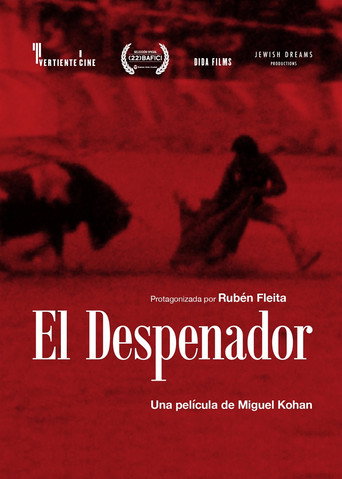
The Bearer of Sorrows
A man travels to the Argentine north following the leads of a mythical pre-Columbian entity in charge of the relatives’ sorrow. The roads at night, the inns and the large salina of Zelarayán’s poem reject anthropological shortcuts and build up a mystery that is perhaps as formidable as the very bearer of sorrow.
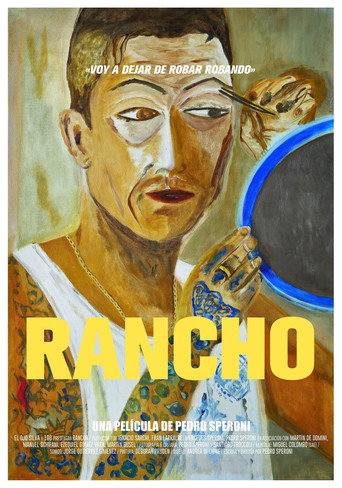
Rancho
At a maximum security prison, a boxer searches for his freedom and receives advice from the leader of the cell block , along with a group of young men who want to be millionaires and another one who has just been imprisoned for murder. The director of the films coexists with them and obtains a portrait from the edge.
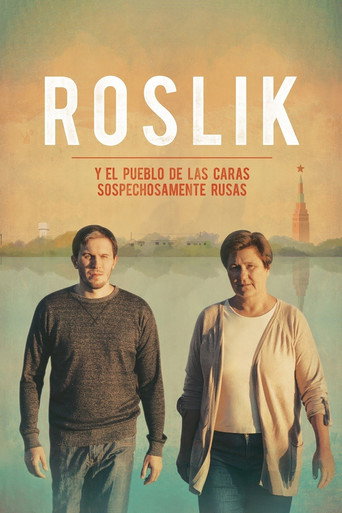
Roslik and the Village of Suspiciously Russian-looking People
Dr. Vladimir Roslik was born and raised in the town of San Javier, founded by Russian immigrants on the banks of the Uruguay River, and graduated as a doctor in Moscow in the late 1960s during the Cold War. He later decided to return to his small town in Uruguay to practice his profession, for which he obtained the affection and respect of the community. Vladimir Roslik was assassinated in 1984 during the dictatorship during a torture session, and it is considered the last death of the Uruguayan military dictatorship. Today, more than 36 years after his crime, it is still not known who the intellectual authors of the military operation that caused his death were. This documentary traces the life of Mary and Valery, the widow and son of Dr. Vladimir Roslik. They are currently seeking to heal a wound that is theirs, and of their community, as victims of an irrational political and ethnic persecution, under the shadow left by a law that prevented justice for the murders.
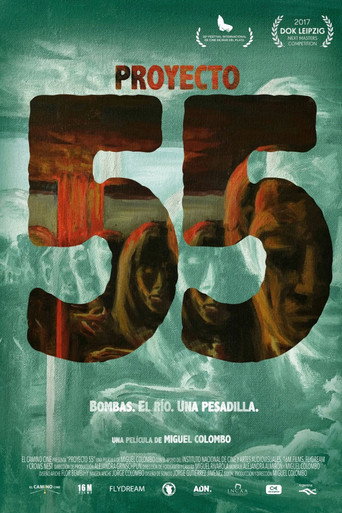
Proyecto 55
A recurring nightmare immerses the filmmaker into a visual research in the first person. Beginning with the 1955 bombing of Buenos Aires, the film elaborates a disturbing essay about violence. Combining a variety of different materials the director follows a line of thought that starts with his grandparents at World Wars I and II, and passes through Vietnam and the atomic weapons, reflecting about the kind of world we make for ourselves and for coming generations.
Proyecto 55
A recurring nightmare immerses the filmmaker into a visual research in the first person. Beginning with the 1955 bombing of Buenos Aires, the film elaborates a disturbing essay about violence. Combining a variety of different materials the director follows a line of thought that starts with his grandparents at World Wars I and II, and passes through Vietnam and the atomic weapons, reflecting about the kind of world we make for ourselves and for coming generations.
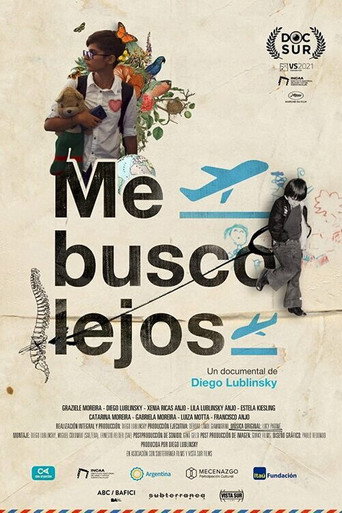
Me busco lejos
Graziele was born on a small island located in the south of Rio de Janeiro. As her mother died when she was just one year old and her father was always an absent figure, she was raised by her older sister and her grandparents, next to an evangelical church where her grandfather has been a pastor for two decades. In that small-town, conservative environment, Graziele had to come to terms with her homosexuality, first to herself and then to others. She decided to migrate to Argentina, even though she left a love in Brazil, and started living in Buenos Aires, together with her older sister on her father's side, and her brother-in-law Diego, who will be the narrator of her new life with his camera.
The Bilbaos
Iván Bilbao has just spent 5 years in prison. Upon his release, he is reunited with his wife Yamila, his daughter Luz, and Chascomùs, his hometown, where his reputation is notorious. Eager to settle down, he resumes boxing and pawnbroking. Pedro Speroni films this chaotic return up close, underscored by tight, uppercut-like editing work.
The Bilbaos
Iván Bilbao has just spent 5 years in prison. Upon his release, he is reunited with his wife Yamila, his daughter Luz, and Chascomùs, his hometown, where his reputation is notorious. Eager to settle down, he resumes boxing and pawnbroking. Pedro Speroni films this chaotic return up close, underscored by tight, uppercut-like editing work.
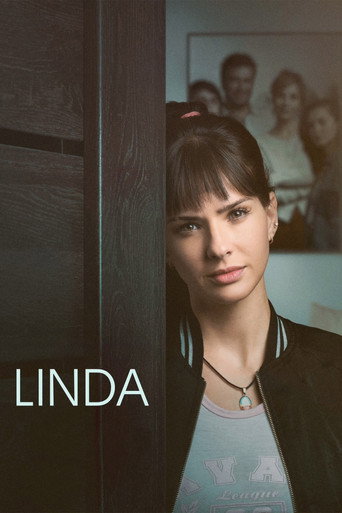
Linda
Self-assured, mysterious, and captivating Linda agrees to work at an affluent home in Buenos Aires. Her charm sparks strong sexual attraction among all members of the family, exposing how fragile their externally happy veneer really is.