Acting
No biography available.
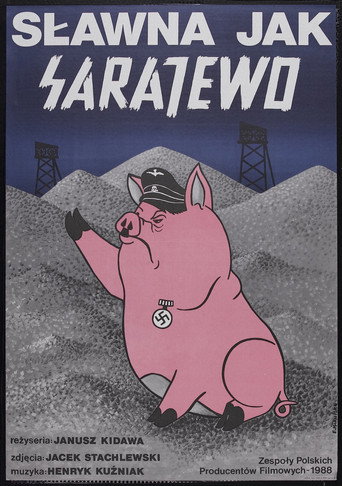
The authorities in favor of the Nazis are trying to restore order in a small town in Silesia. Their actions are fiercely resisted by a small group of residents.
Warsaw elites meet at a ball in Baron Neman's palace, where they discuss the political situation in Poland.
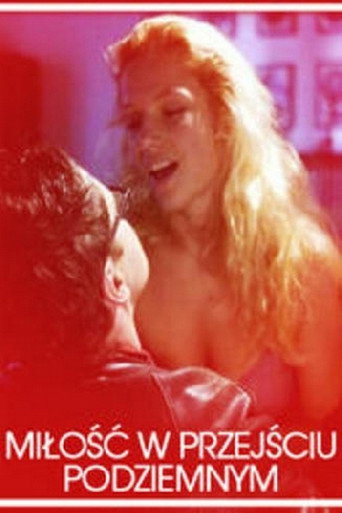
Jurek, a medical student and notorious womanizer, spends the night with Anka, a carefree and spirited girl who does not want to continue the relationship. The couple meets again after a few months. Jurek is forced to look for a place to live. He finds an offer for a room for a medical student in exchange for caring for a sick person. Together with the girl, Monika, they go to the address provided. It turns out that the sick person is Anka. She had an accident while horseback riding and is now in a wheelchair. After some hesitation, she agrees to let Jurek take care of her.
One night, a teacher is murdered. A police investigation soon leads to the deceased's true nature and two unlikely suspects.
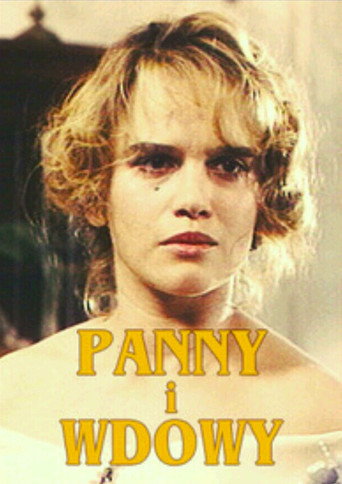
Maidens and Widows is an epic tale of a hundred years of Polish history from the perspective of women, the titular maidens and widows. Set against the backdrop of turbulent historical events.
The tale about last years of the legendary Home Army commander, General August Emil Fieldorf "Nil".
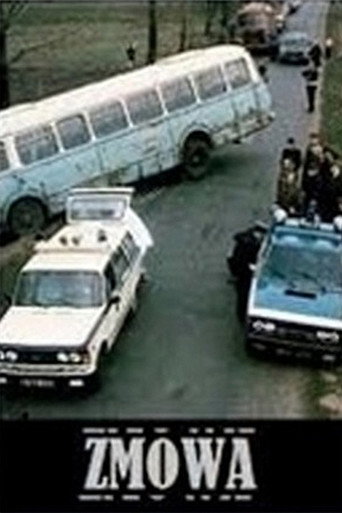
Christmas Eve night of 1976. In a village in the newly formed Tarnobrzeg province, a local bus hits a young married couple and a twelve-year-old boy. In the presence of numerous witnesses, the victims are beaten to death with a wheel wrench. In the aftermath of this crime, all the villagers are united by a conspiracy of silence. The dramatic scenario is freely based on the authentic case of the shocking 1976 Polanieck case.
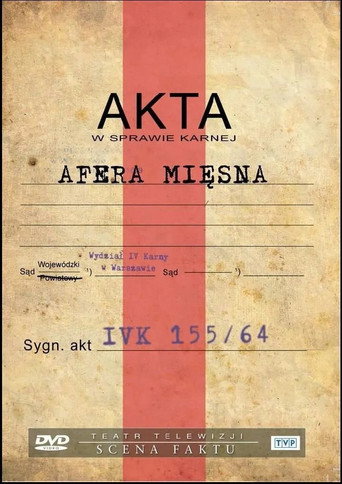
A portrait of cabinet intrigues, the false aspirations of the party elite and the grinding reality of the 1960s, or "our little stability." Robert Meller and Janusz Dymek's documentary drama concerns the famous 1964 meat scandal, in which three death sentences were demanded and one was adjudicated and executed. The victim was Stanislaw Wawrzecki. Ostensibly, it was about fraud and bribes in the meat industry. In fact, it was about covering up the government's economic ineptitude, shortages of supplies and directing the people's anger at a few defendants.
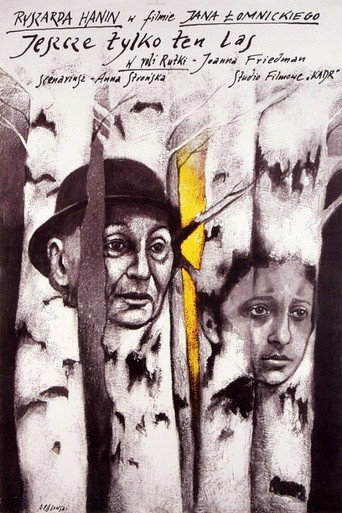
The laundress working at the doctor's house agrees to take her daughter out of the ghetto for a fee and get her settled with her family in the countryside. The old woman's attitude to the Jews is ambivalent but the action is unambiguous.