Acting
No biography available.
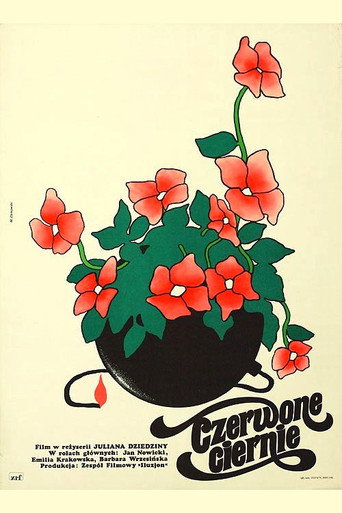
A descendant of a noble family takes the side of the proletariat, fighting against the mistreatment of factory owners and the oppresion from the Tsar during the 1905 revolution.
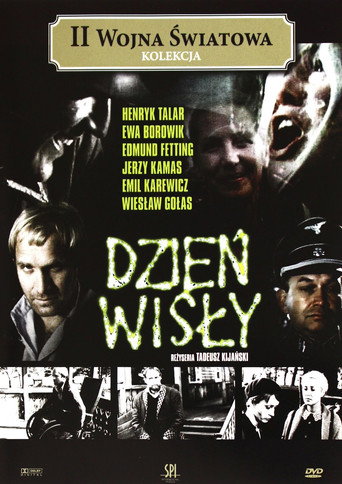
September 13, 1944. On the right bank of the Vistula, a group of young people is getting ready to cross to help the fighting Warsaw. Tadeusz, a young poet with amputated legs meets Katarzyna. Two officers of the Home Army and the AL, Polish and Soviet soldiers come here. A fight ensues with the Nazis trying to get out of the encirclement. Katarzyna is raped by one of them in front of the powerless Tadeusz. . . Two boats are sinking crossing the Vistula. Tadeusz falls into the river with a wheelchair ...
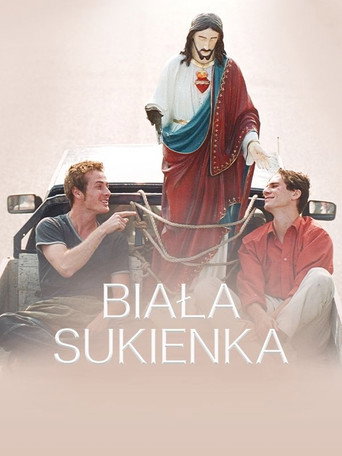
Careerist Maciej gives a lift to a hitchhiker with opposite beliefs as they both head to their hometowns. In the meantime, the local community gets prepared for the annual Corpus Christi procession.
A radio journalist is having a heart attack. This event becomes a pretext to summarize life.
Laguna was once a great soccer player whose career was interrupted by an injury. He spent years climbing the ranks to become an international referee. He sees the prevailing arrangements, manipulations, and bribery around him. Now desperate, he decides to stage an extraordinary culmination of his career: he wants to create a so-called "miracle Sunday" by "printing" the final round of games - taking substantial bribes from the interested clubs and manipulating the matches so that the results align in the order he set up.
The film depicts the momentous and tragic history of the Poznan uprising of 1956. The memory of the director, who was a nine-year-old boy at the time, is the only canvass of the script. The main characters of the black-and-white film are two boys aged ten and twelve. From their perspective, the viewer follows the development of events. From the depths of the gates, through the rails of fences and cluttered backyards, through the eyes of the children we watch the street riots. The film, without action in the literal sense of the word, was made using a reportage technique that perfectly captures the spontaneity of the Poznan uprising. Among other things, the author of the picture depicts the adventures of a young worker Zenek, who becomes the unwitting leader of the protest, and five professors, who by chance find themselves in the very center of events.
The last days in the life of Edward Dembowski (1822-1846), the organizer of the Kraków Uprising in 1846. The informal leader of the uprising, determined to fight for the unification of Polish lands and the liberation of the peasants, negotiates with other politicians.
A former partisan now 38 years old remembers his childhood in the war.
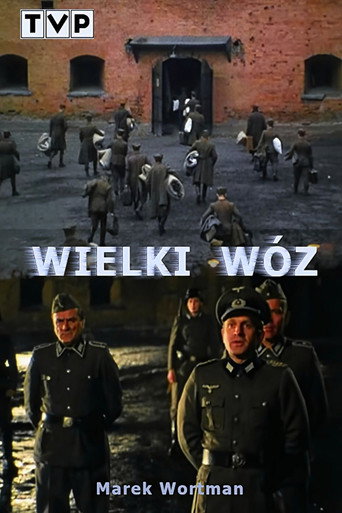
The film is based on true events. Officers locked in a POW camp make a desperate attempt to get out. A group of daredevils undertake to dig an underground tunnel through which they can escape. We learn about their moral dilemmas, solidarity and loyalty to their friends. This is especially emphasized in the last scenes of the film.
Poland in the mid-1970s. In a small town, the student theater is preparing its premiere.