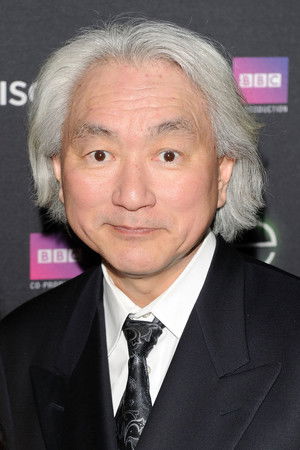
Michio Kaku Movies, TV Shows, and Filmography
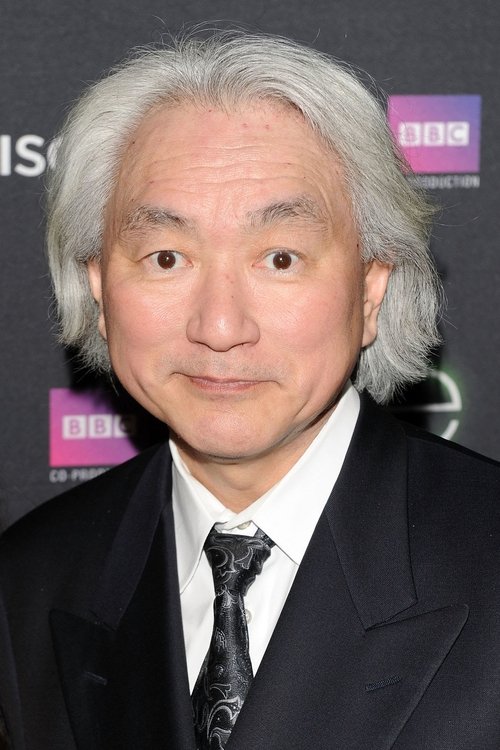
Michio Kaku
Acting
Biography
Michio Kaku is an American physicist, science communicator, futurologist, and writer of popular-science. He is a professor of theoretical physics at the City College of New York and the CUNY Graduate Center.
Filmography Movies
Acting
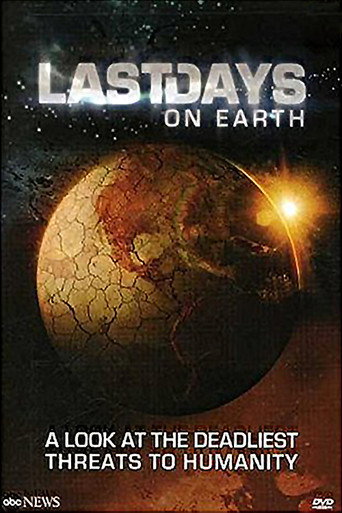
Last Days on Earth
How secure is our future? This eye-opening documentary -- which uses computer-generated imagery to illustrate an asteroid collision, black holes and worldwide plagues, among other threats -- explores seven scenarios that could spell the end of the world. Interviews with noted scientists examine the extent of preparations for these cataclysmic events and what's being done to save future generations from extinction.
The Science of Doctor Who
Like all great science fiction shows, there are kernels of truth and nuggets of science fact scattered throughout the incredible ‘Doctor Who’ universe. In this special, we are going to explore these dynamic ‘Doctor Who’ moments where science fiction and science fact converge and mingle.
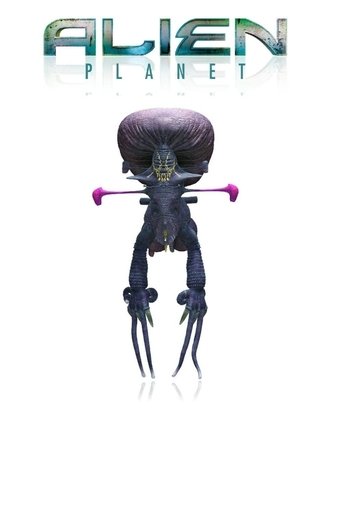
Alien Planet
The dynamic meeting of solid science and futuristic simulation culminates in a dramatic exploration to another inhabited planet seven light years away. Alien Planet creates a realistic depiction of creatures on another world, where life is possible, if not provable, according to scientists' theories. Take this fascinating journey created by state-of-the-art animation and photo-realistic effects.
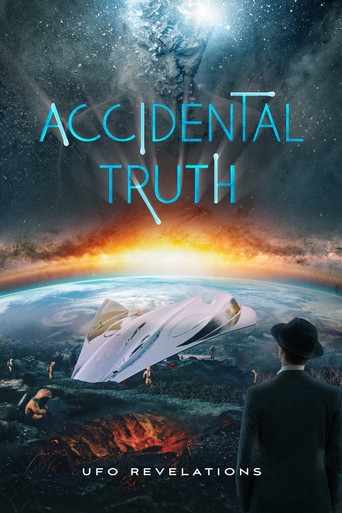
Accidental Truth: UFO Revelations
The truth can no longer be contained by those duty-bound to hide it. The truth about another intelligence engaging humanity becomes undeniably clear. Witness UFO revelations from true insiders that have never been shared with the public.
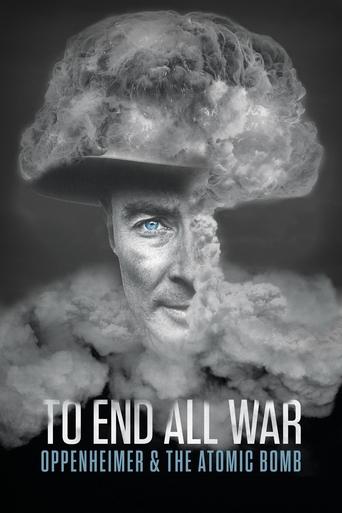
To End All War: Oppenheimer & the Atomic Bomb
Explore how one man's relentless drive and invention of the atomic bomb changed the nature of war forever, led to the deaths of hundreds of thousands of people and unleashed mass hysteria.
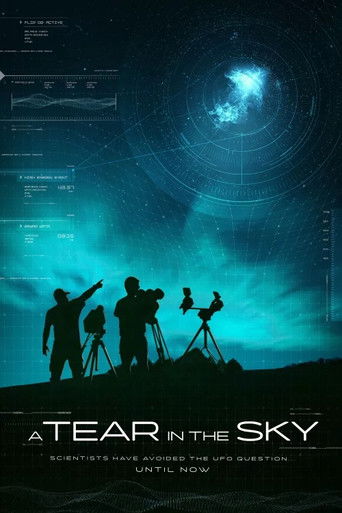
A Tear in the Sky
A Tear in the Sky takes you on an unprecedented journey into the UAP/UFO phenomenon as we follow a team of world-renowned experts, scientists, and military personnel who will attempt to unravel the UAP/UFO mysteries using state-of-the-art, military-grade equipment, and technology. While the UFO phenomenon has existed since the dawn of recorded history, very little scientific research is accessible to the public. Most of the serious research is conducted by various governments and militaries across the planet; this film is a documentary on how a team of military veterans, scientists, and researchers come together and launch an investigation into this fascinating world of the unknown while providing the data and results to the public.
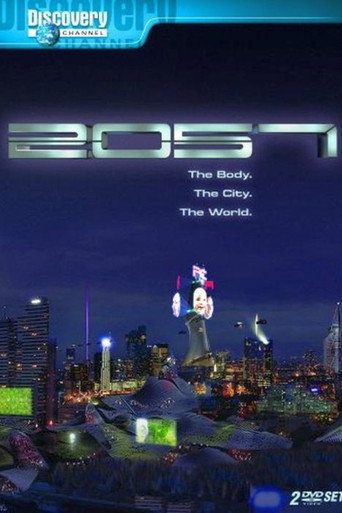
2057
What would you see and experience if the clocks rolled forward 50 years? In a unique blend of drama and science, this three-part series shows you the world of tomorrow. Will we have flying cars? Will advances in medicine help us stay young forever? What about "printing" custom-made vital organs? What will our cities look like? What will tomorrow's wars be about? Will we have robots helping around the house? Will solar power be the new oil? Supported by the world's leading scientists and research institutes, we embark on a quest to answer some of society's most fundamental questions and reveal the dramas of tomorrow's world along the way. State-of-the-art computer graphics in combination with a dynamic story line will create a world usually only seen in feature films, but with the accuracy and relevance of a documentary. This series is all about opening the window of our future based on science fact, not science fiction.
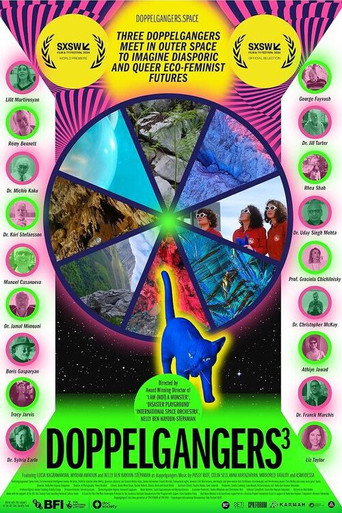
Doppelgängers³
An experimental documentary that draws on the experience of diasporas to challenge the commercialisation of the moon. Through encounters with doppelgängers and meetings with scientists, visionaries, and cultural inventors, Nelly Ben Hayoun-Stépanian and her doppelgängers offer an experimental vision and template for a future diaspora beyond Earth. The film culminates in an analog space mission in a deep cave in Spain in which we see Ben Hayoun-Stépanian and her doppelgängers experiencing a moon utopia. But things do not go according to plan.
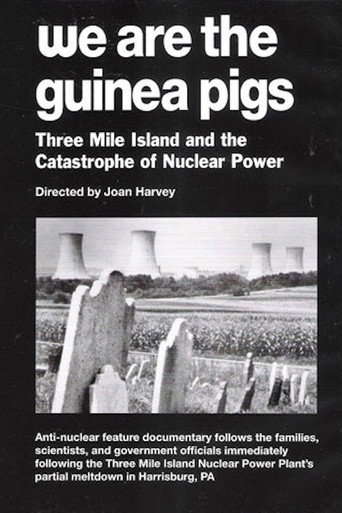
We Are the Guinea Pigs
Farmers and parents of young children, who live in the Harrisburg, Pa., area, discuss their fears of radioactive contamination from the Three Mile Island nuclear reactor accident in 1979. Scientists and physicians also expound on the lethal dangers of nuclear power and the risks in containment processes.
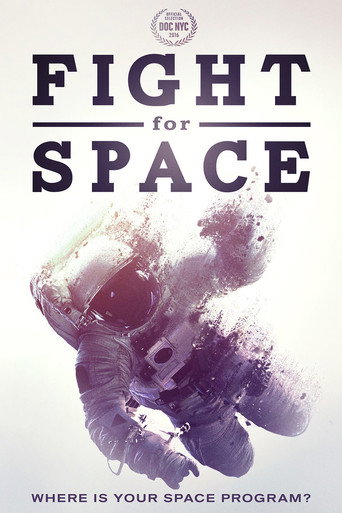
Fight For Space
In 1962, spurred by the Cold War, President John F. Kennedy famously made the bold proclamation that NASA would send astronauts to the moon by the end of the decade, not because it was easy, but because it was a challenge. The Space Race inspired a generation to pursue careers in science and technology, but as the balance of world power shifted, interest in space exploration declined. "Fight for Space" serves as an urgent call to re-awaken our sense of wonder and discovery.
Production
2057
What would you see and experience if the clocks rolled forward 50 years? In a unique blend of drama and science, this three-part series shows you the world of tomorrow. Will we have flying cars? Will advances in medicine help us stay young forever? What about "printing" custom-made vital organs? What will our cities look like? What will tomorrow's wars be about? Will we have robots helping around the house? Will solar power be the new oil? Supported by the world's leading scientists and research institutes, we embark on a quest to answer some of society's most fundamental questions and reveal the dramas of tomorrow's world along the way. State-of-the-art computer graphics in combination with a dynamic story line will create a world usually only seen in feature films, but with the accuracy and relevance of a documentary. This series is all about opening the window of our future based on science fact, not science fiction.
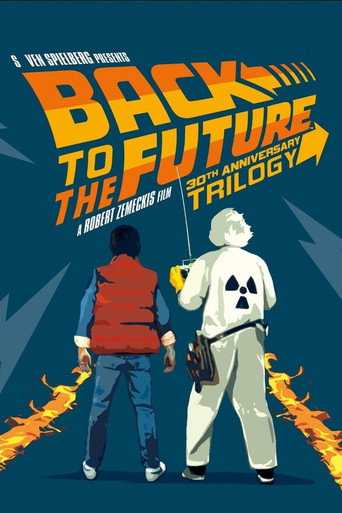
The Physics of 'Back to the Future' with Dr. Michio Kaku
The Physics of 'Back to the Future' with Dr. Michio Kaku
Gallery