Michel Fau Movies, TV Shows, and Filmography
Michel Fau
Acting
Biography
Michel Fau (born 1964) is a French comedian, actor and theatre director. At 18, he left his hometown for training at French National Academy of Dramatic Arts from 1986 to 1989. He trained with Michel Bouquet, Gerard Desarthe and Pierre Vial. He has appeared on stage regularly in works directed by Olivier Py and he also worked with Olivier Desbordes, Jean Sébastien Rajon, Pierre Guillois, Jean-Luc Lagarce, Jean-Michel Rabeux, Jean-Claude Penchenat, Laurent Gutmann, Stéphane Braunschweig, Jacques Weber, Sandrine Kiberlain, Léa Drucker, Gaspard Ulliel, Julie Depardieu, Charlotte de Turckheim, Chantal Ladesou, Catherine Frot, Samir Guesmi, ... In cinema, he worked with directors like Jean-Paul Rappeneau, Gilles Bourdos, Albert Dupontel, Dominik Moll, François Ozon, Benoît Jacquot, Noémie Lvovsky, Nina Companeez, Jean-Michel Ribes, Xavier Giannoli, Christophe Honoré, Josée Dayan, André Téchiné, ... He occasionally directs an interpretation workshop at the French National Academy of Dramatic Arts. During the Night of the 2011 Molière Award, he made a cover of Carla Bruni's song Quelqu'un m'a dit in a parody of classical singer. Source: Article "Michel Fau" from Wikipedia in English, licensed under CC-BY-SA 3.0.
Filmography Movies
Acting

Swimming Pool
A British crime novelist travels to her publisher's upmarket summer house in Southern France to seek solitude in order to work on her next book. However, the unexpected arrival of the publisher's daughter induces complications and a subsequent crime.
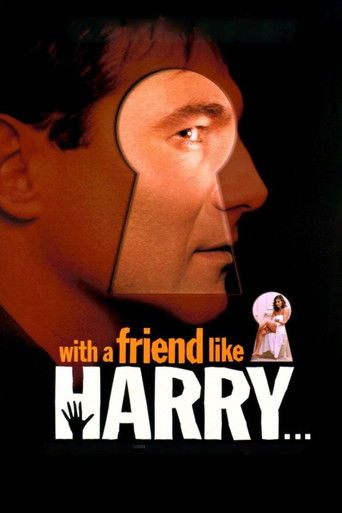
With a Friend Like Harry...
While fixing up their summer cottage, Michel and his family run into a man who claims to have gone to high school with Michel.
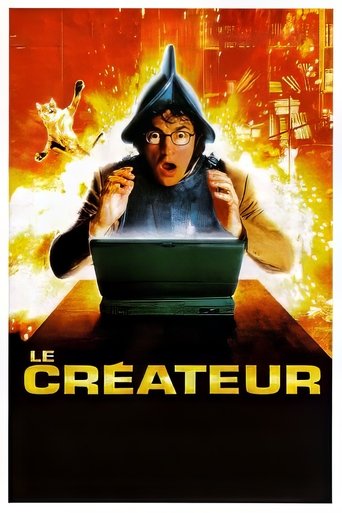
Le Créateur
A playwright of note, Darius developed a drinking problem after his first major hit, and has taken time out from writing his follow-up to go to a clinic and dry out. After his release, Darius finds his producer has hired a leading lady for his next show, booked the theater and advertised the starting date -- all without Darius writing so much as a word of this new play. Darius desperately tries to come up with ideas, but nothing comes to mind, with an inflexible deadline staring him in the face. One day, Darius kills a neighbor's cat by accident; terribly depressed, he swallows some sedatives and falls asleep at his computer -- only to awake with the beginning of his play glowing on the screen. Darius is now convinced he must kill in order to create, and starts murdering an ever-expanding variety of creatures in order to satisfy his now bloodthirsty muse.
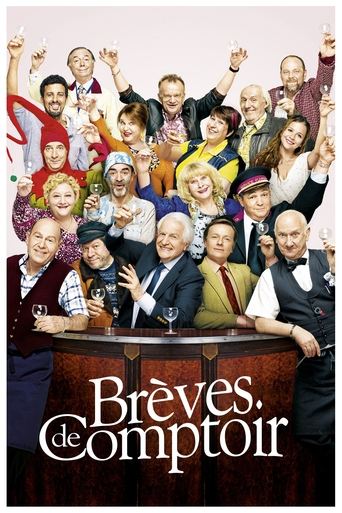
Brèves de comptoir
A small, old-fashioned cafe in a suburban square, opposite the cemetery, the Hirondelle. Every day at half past six, the customers dance with their stories and tirades, totally amazing.
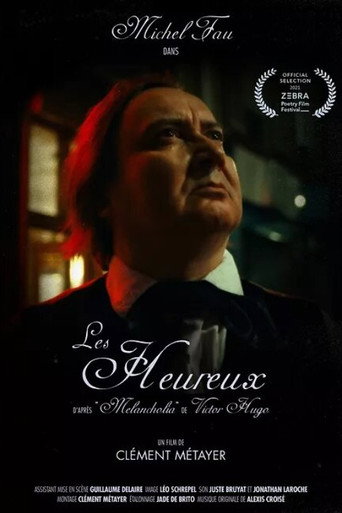
Les Heureux
In a summer Paris, during an epidemic, a ghostly character from another time discovers our contemporary urban life. His contemplative wandering, from afternoon to dawn, gives him ideas of alexandrines; those of Melancholia, written by Victor Hugo in 1856...
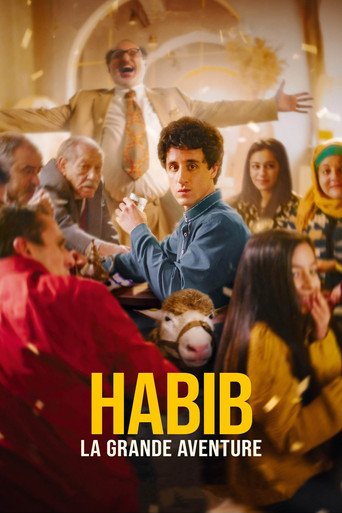
Habib
The story of a young Belgian actor of Moroccan origin who agrees to play the role of Saint-François-d'Assise to put an end to the roles of nice Arabs that are stuck on his forehead in often mediocre films. Getting into the historical figure will represent a real challenge for him; when his father, settled in Morocco, suddenly returns to Brussels with a new wife, and the beginnings of Alzheimer's, he finds himself having to juggle between the expectations of his colleagues and his family.
Le Vison voyageur
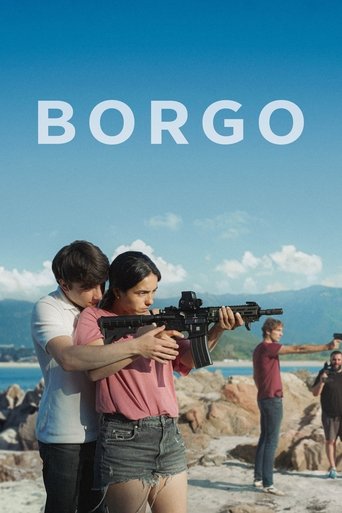
Borgo
Melissa is an experienced, exemplary prison guard. But a dangerous spiral is set into motion when she transfers to a Corsican jail, where she accepts help and protection from inmate Saveriu to get her bearings. Upon his release, he contacts Melissa expecting to collect.
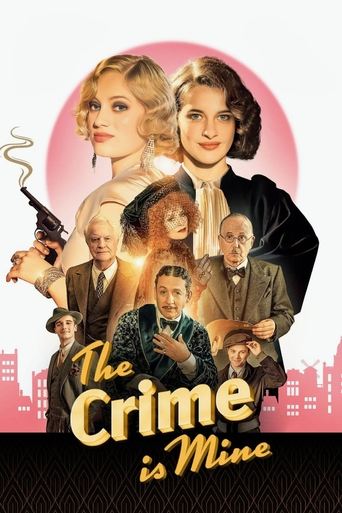
The Crime Is Mine
In 1930s Paris, Madeleine, a pretty, young, penniless, and talentless actress, is accused of murdering a famous producer. Helped by her best friend, Pauline, a young, unemployed lawyer, she is acquitted on the grounds of self-defense. A new life of fame and success begins, until the truth comes out.
Production
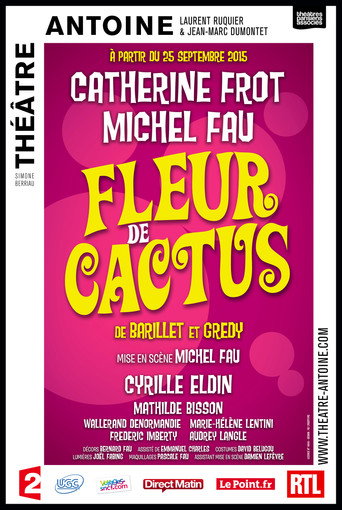
Fleur de cactus
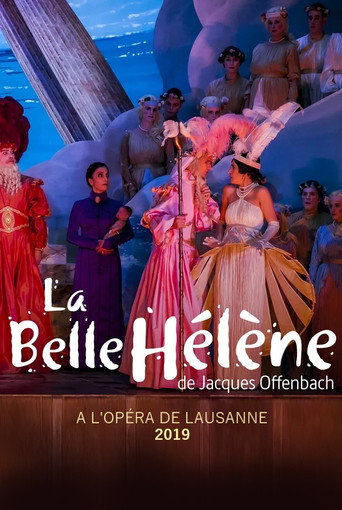
La Belle Hélène
La belle Hélène is the work that confirmed Offenbach's international reputation. The libretto caricatures the conventions of Greek mythology to poke fun at contemporary society, and the melodies, once heard, never leave you. The erotic and political scandal surrounding the creation of this work ensured its immediate and enduring success. We are carried away by music that is always new and inventive, sprinkled with nods to other works: the dream duet between Helen and Paris, the patriotic trio mimicking Rossini's William Tell, the ensemble of "the man with the apple" and the waltz of the "vile seducer"... Not to mention the exquisite humor of the language, whose inventions, such as "plis de vaillance" (folds of valor) and "poux de la reine" (queen's lice), have entered the lexical fund. In this celebration of Offenbach, we constantly swing between laughter and beauty, indulging in the pleasure of all the senses...
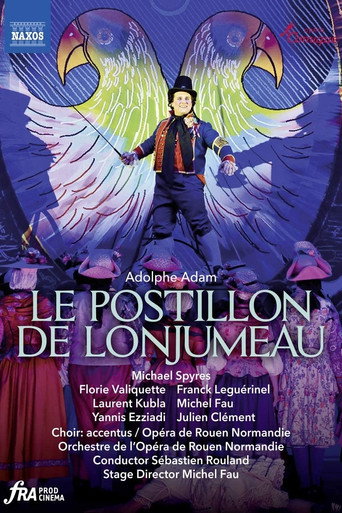
Le Postillon de Lonjumeau
Adolphe Adam’s Le Postillon de Lonjumeau was a great success at its premiere in 1836, and, along with the ballet Giselle, has remained one of the composer’s most popular works. Following the great French tradition, this opéra-comique has it all: 18th-century Rococo Parisian glamour and a perilous love story involving the dashing and flirtatious Chapelou and his opposite, the powerful and clever Madeleine. This lavish and spectacular production from the Opéra Comique in Paris received widespread critical acclaim and also features costumes by the iconic French fashion designer Christian Lacroix.
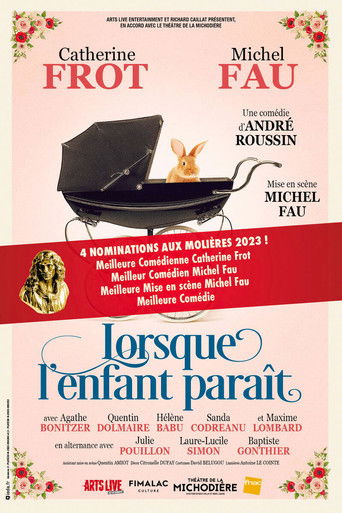
Lorsque l'enfant paraît
After World War II, the orderly life of a deputy secretary of state for family affairs, who had succeeded in closing brothels and increasing penalties for abortion offenses, is turned upside down when he learns on the same day that his wife is expecting a child and that his son has impregnated his secretary! This is only the beginning of a series of unexpected events that will shake up the foundations of this bourgeois family...