Sound
No biography available.
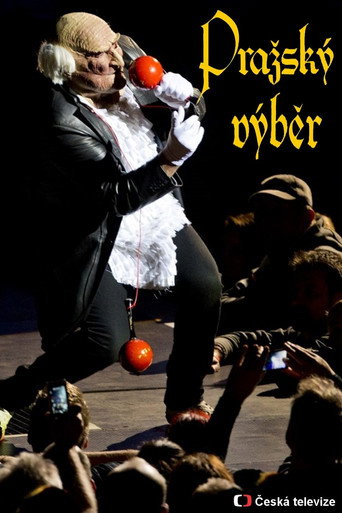
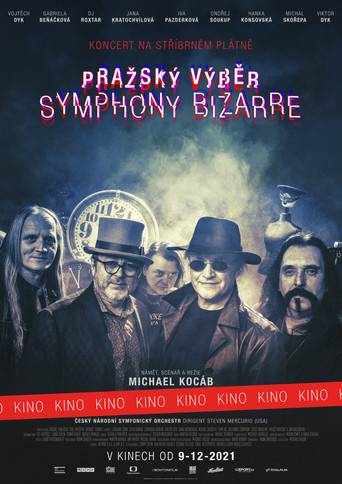
Artistic rendering of a major concert by Pražský výběr at the O2 Arena with the Czech National Symphony Orchestra.
A recording of the Laterna Magika theater performance, which represented the Czech Republic at the EXPO 2020 World Expo. Scientific and technological development has advanced considerably since Čapek's time. Radius is challenged by artificial intelligence, which has taken over the world, to advance to a higher level of existence. His transition to a new dimension will complete the elimination of humanity from planet Earth. Miřenka Čechová's production reflects the threats facing contemporary society, but like Čapek, she believes in humanity and human values.
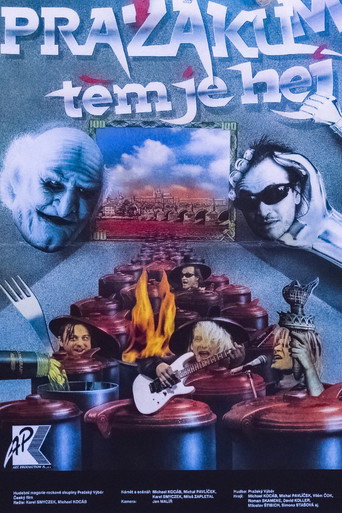
The story begins in 1984 in Prague, Czechoslovakia, few years before the end of Communist era. The band Pražský výběr (Prague's selection) has just received the news thier 5-year ban has expired and they are alowed to perform once again. This half fantasy half document about the band would draw the atmosphere of middle european late Communist era and the eufory of it's end.
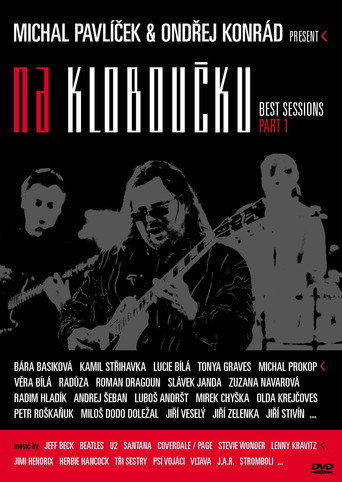
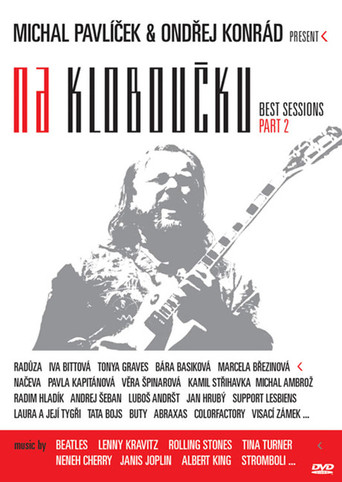
The last live concert of the legendary Czech band BSP (Balage, Strihavka, Pavlicek) in Retro Music Hall, Prague, Czech Republic, at November 23, 2006.
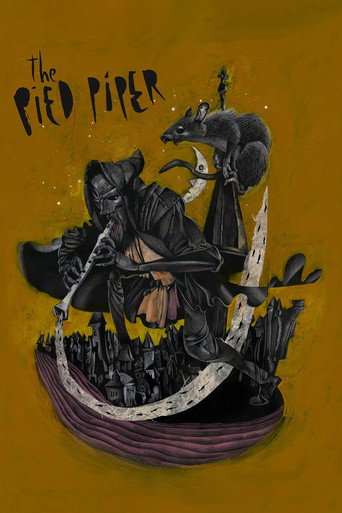
A darkly brilliant stop-motion adaptation of The Pied Piper of Hamelin about a plague of rats that punish townsfolk corrupt with greed. One of Czechoslovakia's most ambitious animation projects of the 1980s, notable for its unusual dark art direction, innovative animation techniques and use of a fictitious language.
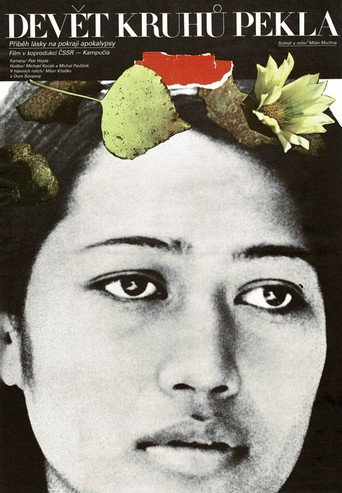
As the Khmer Rouge carves a path of death throughout the land, a Czech doctor falls in love with a Cambodian woman. Their relationship, though sorely strained by the war's horrors, produces a child. The doctor is separated from his family once Pol Pot assumes control.
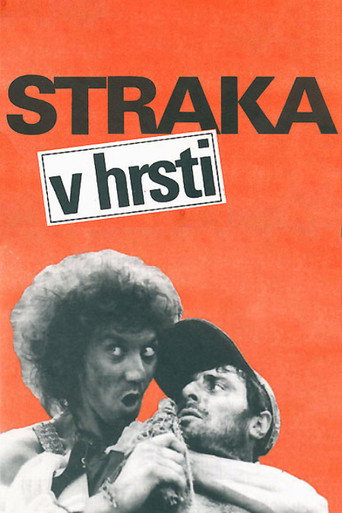
In the film, the creative forces of personalities from three spheres of art collide. The subtitle "The Game of Love and Hate" refers to the motivation of an old Czech medieval satire, the theme belongs to Antonín Přidal, an expert on this subject. His collaboration with Juraj Herz created a collage of past and present, an updated, sharp satire and a parable about the clash of human qualities that could not but end up in the vault. The music of the Prague Selection - Michael Kocáb and Michal Pavlíček - also contributed to the film's offensive provocativeness - the film was one of the reasons for their complete move to the underground. The dancing chorus of medieval citizens resembles more of a jumble of long-haired maniacs, the edge of a contemporary dump intrudes into the space of a medieval marketplace, and the characters oscillate between the past and the present, whether in their appearance, symbolism or behaviour.
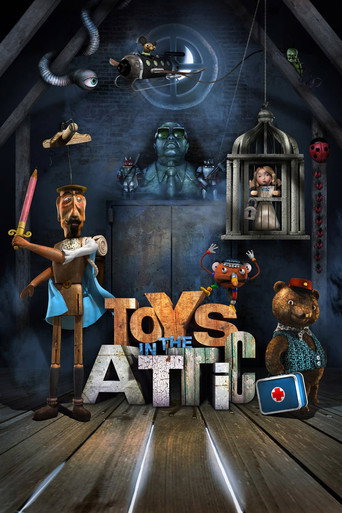
In an attic full of discarded junk, a pretty doll called Buttercup lives in an old trunk together with her friends, the marionette Prince Charming, lazy Teddy Bear and the plasticine creature Schubert. When Buttercup is snatched and taken off to the Land of Evil, her pals set out to rescue her.
A career woman's struggle and fight against a male dominated society.
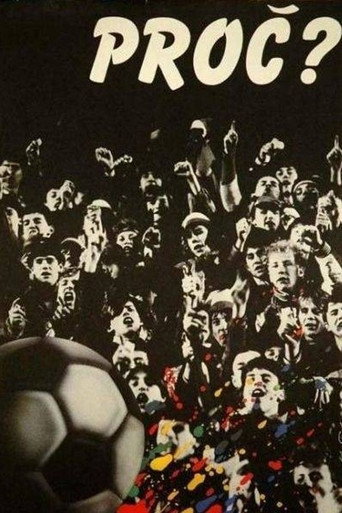
Why? (Czech: Proč?) is a 1987 Czechoslovak drama film directed by Karel Smyczek. It was screened in the Un Certain Regard section at the 1988 Cannes Film Festival. The film deals with the hooliganism in Czechoslovakia, particularly with the fans of football club Sparta from Prague, whose supporters were the pioneers of the football fan riots in Czechoslovakia, starting with hooligan actions already in the 1960s, like breaking the trains in which they travelled when they went on Sparta's away games. The film deals with one of such episodes
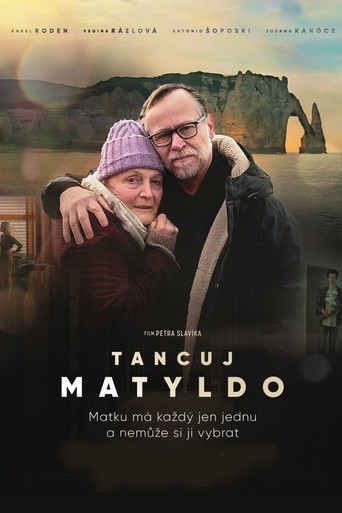
A story of Karel Jaroš, an emotionally arid man, whose mother suffers from Alzheimer disease. It is not love, but the sense of duty that stops him from sending his mother to a mental institution. On the other hand, this way he can finally connect with her. And not just with her but also with his teenage son and with himself.
For twelve years, a film crew has been following the lives of four people who appeared in public in November 1989. Musician Michael Kocáb, dissident Jan Ruml, young participant in the National Avenue intervention Kryštof Rímský, and student leader Martin Mejstřík. The period after November opened up new possibilities, opportunities, and chances for everyone. This unique film project captures their search, their wanderings, their resolutions, and their doubts on the path to finding their own place in the turbulent waters of a transforming society.
Children's games will affect the lives of two young women years later.