Michael Tollin Movies, TV Shows, and Filmography

Michael Tollin
Directing
Biography
Michael "Mike" Tollin (born June 10, 1955) is an American film director and film/television producer. His career highlights included Radio, Coach Carter, and Varsity Blues. He frequently collaborates with Brian Robbins in which they own a production company together called Tollin/Robbins Productions. They created and produced such shows like All That, The Amanda Show, Kenan & Kel, One Tree Hill, Smallville, What I Like About You, The Bronx is Burning and a few others. Tollin was the producer of the weekly highlights show for the United States Football League, the springtime football league which played from 1983 through 1985. In 2009, he served as executive producer for the hour-long documentary Small Potatoes: Who Killed the USFL? for ESPN's 30 for 30 series. He was also part of a number of the series films, as one of the production members. Tollin is originally from Philadelphia, Pennsylvania. Description above from the Wikipedia article Michael Tollin, licensed under CC-BY-SA, full list of contributors on Wikipedia.
Filmography Movies
Acting
Coach Carter The Man Behind the Movie
The real life counter parts of the 1999 Richmond basketball team that were portrayed in the 2005 film of the same name. Discuss what there coach means to them.
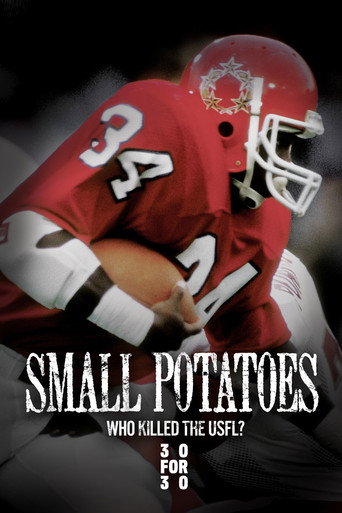
Small Potatoes: Who Killed the USFL?
In 1983 the upstart United States Football League (USFL) had the audacity to challenge the almighty NFL. The new league did the unthinkable by playing in the spring and plucked three straight Heisman Trophy winners away from the NFL. The 12-team USFL played before crowds that averaged 25,000, and started off with respectable TV ratings. But with success came expansion and new owners, including a certain high profile and impatient real estate baron whose vision was at odds with the league’s founders. Soon, the USFL was reduced to waging a desperate anti-trust lawsuit against the NFL, which yielded an ironic verdict that effectively forced the league out of business. Now, almost a quarter of a century later, Academy Award-nominated and Peabody Award-winning director Mike Tollin, himself once a chronicler of the league, will showcase the remarkable influence of those three years on football history and attempt to answer the question, “Who Killed the USFL?”
Production
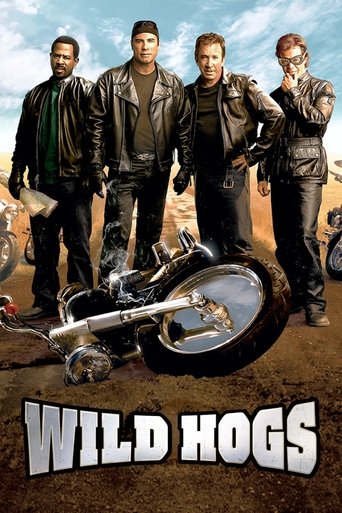
Wild Hogs
Restless and ready for an adventure, four suburban bikers leave the safety of their subdivision and head out on the open road. But complications ensue when they cross paths with an intimidating band of New Mexico bikers known as the Del Fuegos.
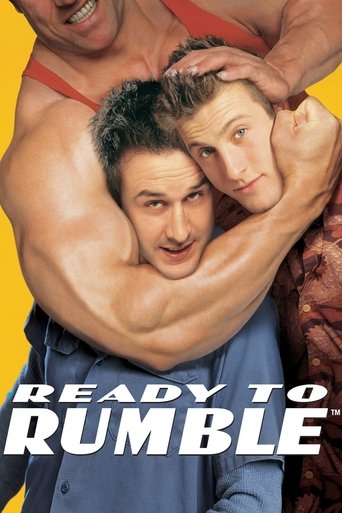
Ready to Rumble
Two slacker wrestling fans are devastated by the ousting of their favorite character by an unscrupulous promoter.
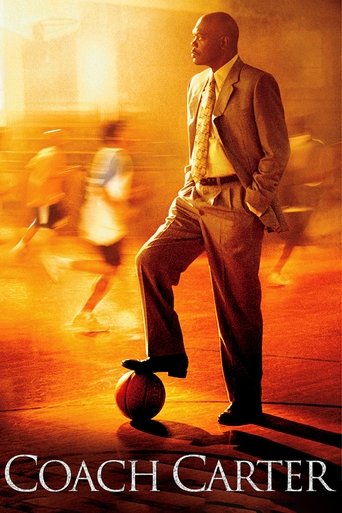
Coach Carter
Based on a true story, in which Richmond High School head basketball coach Ken Carter made headlines in 1999 for benching his undefeated team due to poor academic results.
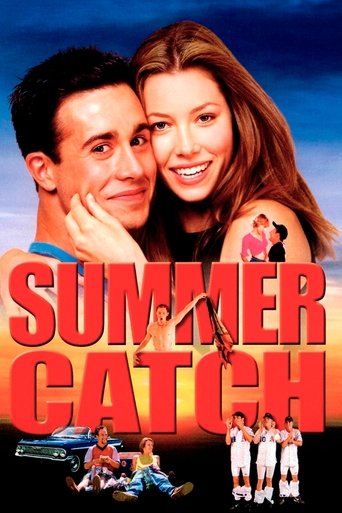
Summer Catch
Local boy Ryan Dunne, now a pitcher for Boston College, meets Tenley Parrish, the daughter of a wealthy couple who summer on the Cape. Ryan and Tenley fall in love, much to the chagrin of their families, while Ryan clings to one last hope of being discovered and signed to a pro baseball contract.
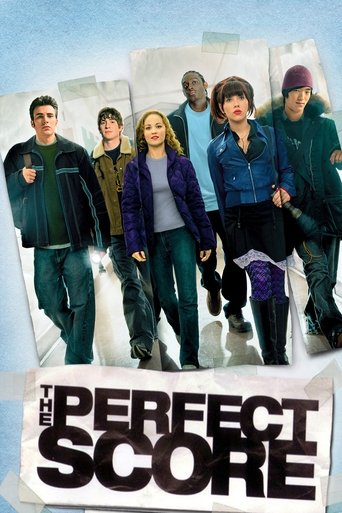
The Perfect Score
Six high school seniors decide to break into the Princeton Testing Center so they can steal the answers to their upcoming SAT tests and all get perfect scores.
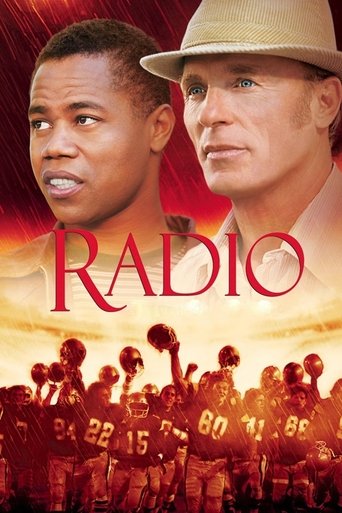
Radio
In the racially divided town of Anderson, South Carolina in 1976, football coach Harold Jones spots a mentally disabled African-American young man nicknamed Radio near his practice field and is inspired to befriend him. Soon, Radio is Jones' loyal assistant, and he becomes a student at T.L. Hanna High School. But things start to sour when Coach Jones begins taking guff from parents and fans who feel that his devotion to Radio is getting in the way of the team's quest for a championship.
Small Potatoes: Who Killed the USFL?
In 1983 the upstart United States Football League (USFL) had the audacity to challenge the almighty NFL. The new league did the unthinkable by playing in the spring and plucked three straight Heisman Trophy winners away from the NFL. The 12-team USFL played before crowds that averaged 25,000, and started off with respectable TV ratings. But with success came expansion and new owners, including a certain high profile and impatient real estate baron whose vision was at odds with the league’s founders. Soon, the USFL was reduced to waging a desperate anti-trust lawsuit against the NFL, which yielded an ironic verdict that effectively forced the league out of business. Now, almost a quarter of a century later, Academy Award-nominated and Peabody Award-winning director Mike Tollin, himself once a chronicler of the league, will showcase the remarkable influence of those three years on football history and attempt to answer the question, “Who Killed the USFL?”

Fastball
Since 1912, baseball has been a game obsessed with statistics and speed. Thrown at upwards of 100 miles per hour, a fastball moves too quickly for human cognition and accelerates into the realm of intuition. Fastball is a look at how the game at its highest levels of achievement transcends logic and even skill, becoming the primal struggle for man to control the uncontrollable.
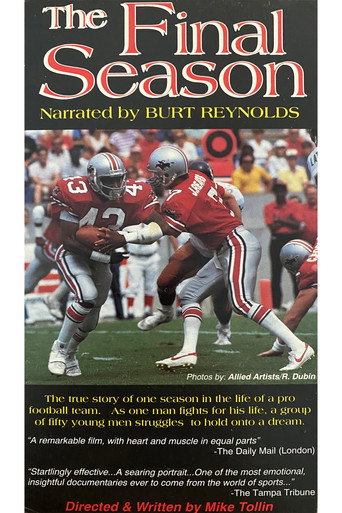
The Final Season
The true story of one season in the life of a pro football team. As one man fights for his life, a group of fifty young men struggles to hold onto a dream.
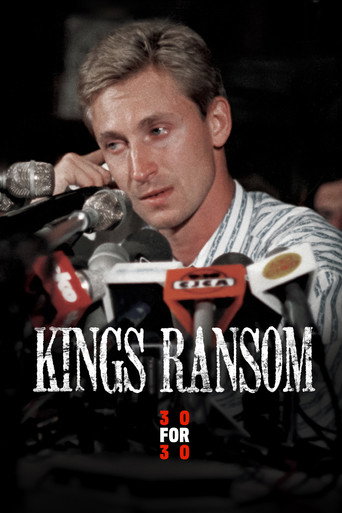
Kings Ransom
On August 9, 1988, the NHL was forever changed with the single stroke of a pen. The Edmonton Oilers, fresh off their fourth Stanley Cup victory in five years, signed a deal that sent Wayne Gretzky, a Canadian national treasure and the greatest hockey player ever to play the game, to the Los Angeles Kings in a multi-player, multi-million dollar deal. As bewildered Oiler fans struggled to make sense of the unthinkable, fans in Los Angeles were rushing to purchase season tickets at a rate so fast it overwhelmed the Kings box office. Overnight, a franchise largely overlooked in its 21-year existence was suddenly playing to sellout crowds and standing ovations, and a league often relegated to “little brother” status exploded from 21 teams to 30 in less than a decade.
Gallery