Acting
No biography available.
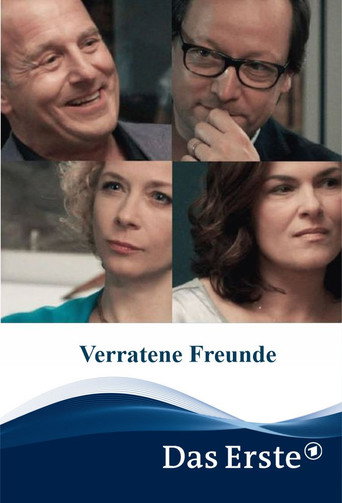
Two married couples, in their mid-40s, have been friends for a long time. Until one husband believes he has to bring an indiscretion to the public about the other and the respective life plans and moral concepts are called into question. Matthias Brandt, Barbara Auer, Heino Ferch and Katja Riemann can be seen in the leading roles of this outstanding, chamber play-like television film.
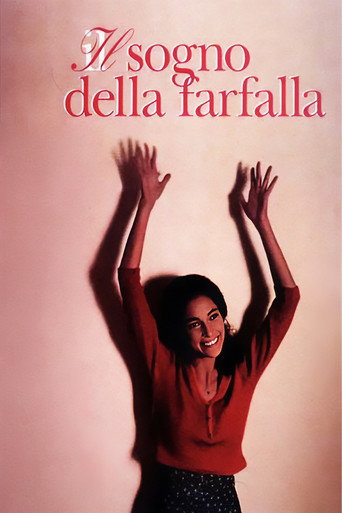
This European existential drama utilizes complex symbols inspired by abstract psychological theories to explore the effects and reasons behind a young classical actor's decision to stop talking. No one knows why Massimo has vowed to stop talking. Other than speaking dialog from classical plays, Massimo refuses to say a single word. His father, a classic-literature professor believes it reflects to a disappointing love affair. His new girlfriend thinks Massimo is rebelling against his mother, a poet. A director learns of Massimo and commissions his mother to write a play about him. Though Massimo plays himself in the play, and does speak, he returns to silence when the play is finished.
The day after his abduction, a nine-year-old boy is found seemingly unharmed, but he has suffered severe trauma as a result of his time in the hands of his abductor. He distances himself from his mother and refuses to give any information about the perpetrator.
In a fictitious show, candidates attack each other with knives and fight, and in the end the presenter (Burkard Driest) is stabbed to death. Like Das Millionenspiel 25 years earlier, the Private Life Show criticized the increasingly drastic broadcasting formats on commercial television.