Acting
No biography available.
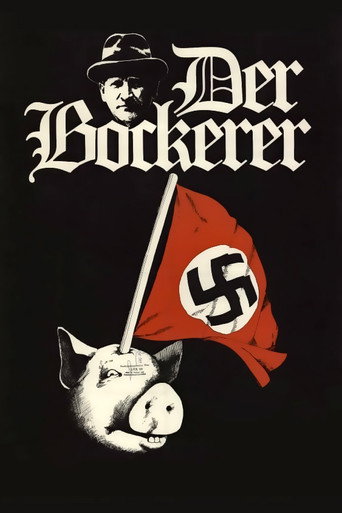
Vienna, 1947. Bockerer and his wife Binerl have survived the war, though his butcher's shop was destroyed by bombs. Karl Bockerer opens up a new establishment in the center of the city. Post-war Vienna is divided into four zones in which the Allies run things and ensure that law and order prevails. This is the story of two lovers: Gustl, just returned form a POW camp, and the Russian interpreter Elena. Bockerer becomes the patron of their love. Elena's father was executed by Stalin, and the only way she can escape a similar fate is to marry an Austrian. Bockerer "buys" a husband for Elena and, full of tricks as ever, he succeeds in pulling the wool over the Russian occupier's eyes.
A politically naive Viennese butcher manages to survive the Nazi occupation of Austria and the second world war.
Several emblematic buildings in Vienna suffer from a series of explosions that destroy works of art of inestimable value, as well as generating a large number of victims. Detective Peter Bender will need the help of Lena, a student of art, discover the murderer, because it uses a hidden code in the symbolism of the boxes to convey a message.
Erika Kohut, a sexually repressed piano teacher living with her domineering mother, meets a young man who starts romantically pursuing her.
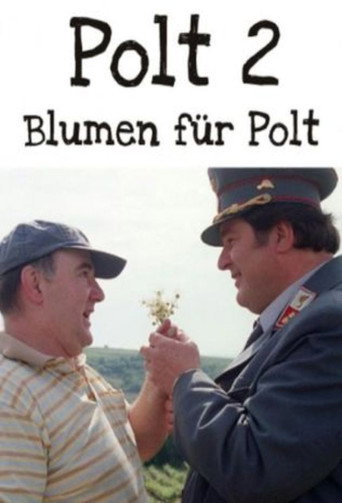
Gendarmerie inspector Simon Polt in the Weinviertel region finds it too much of a coincidence when crook Riebel is killed in a motorcycle accident and his friend Willi is found dead on the same day. But the residents of the otherwise peaceful Lower Austrian wine village make Polt's investigation anything but easy.
Despite its South-of-the-Border title, Caracas is an Austrian love triangle. Gas-station owner Gerhard Zehmann is saddled with cheating wife Regina Bill. The man would like to escape to Venezuela, but he can't unload his wife. Then he meets a woman who is the exact double of his wife (also played by Regina Bill, of course). Falling in love with this clone, the husband hatches a plan. He'll murder his wife, then leave for Venezuela with her look-alike so as not to arouse suspicion. Are foolproof plans like these ever really foolproof?
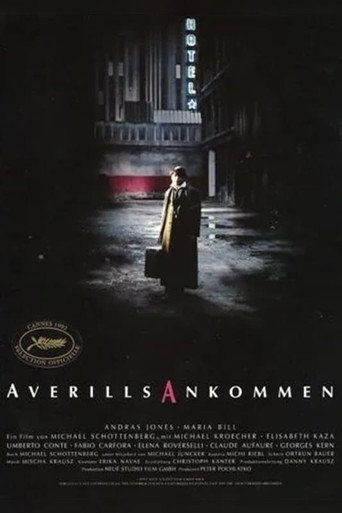
In this highly symbolic political allegory, Averill is traveling through a troubled countryside amid rumors of war to visit his father. He reaches a train station in a city which is paralyzed by a transportation strike and is forced to take lodgings in a bizarre, unattractive town populated by seemingly malformed individuals. After a while, he begins to try to woo a much older woman, and symbolic images of entrapment, imprisonment and erotic enticement mark his adventures in this regard.
Based on the many observations made during his extremely interesting and far from dull life, Dr. Döblinger relates four episodes in which he wants to give us a picture of the loneliness and incomprehensibility of mankind.