Sound
No biography available.
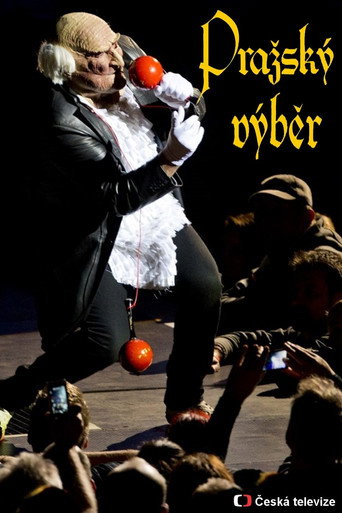
Artistic rendering of a major concert by Pražský výběr at the O2 Arena with the Czech National Symphony Orchestra.
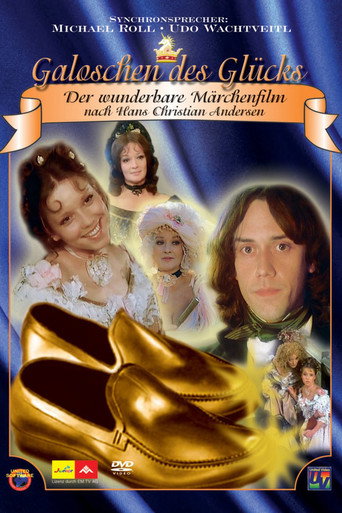
The Slippers of Happiness is another film made by the Slovak Film Production in co-production with West German companies based on classic world fairy tales. After Slovak folk tales [The Greatest Peck in the World, Salt Over Gold] and the works of German fairy tale writers Wilhelm Hauff [The False Prince] and the Brothers Grimm [The Land of the Thrush's Beard, Perinbaba], screenwriter Alex Koenigsmark and director Juraj Herz were inspired by the famous fairy tale by Hans Christian Andersen. It tells the story of slippers that the Fairy of Fortune enchanted so that they would fulfill every human wish and thus bring people happiness. The filmmakers humorously transferred the plot from Copenhagen to old Prague.
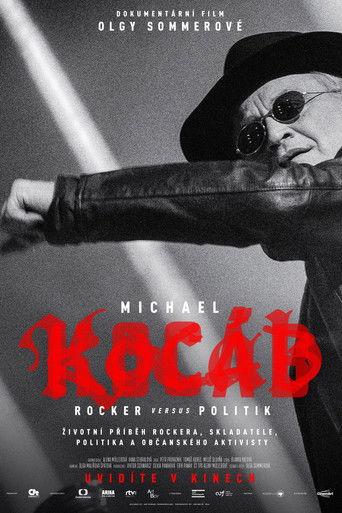
The title of this documentary about Michael Kocáb alone suggests that art and politics will collide onscreen. Although this cinematic portrayal focuses primarily on the artistic pursuits of the protagonist — who reminisces with slight improvisation his years at the conservatoire and his performances with his band Pražský výběr — the film also maps his political and personal milestones and conveys his current world views and personal reflections on historical and political events. The documentary is playful and spontaneous and features dynamic shots with rock music that has stood the test of time.
For twelve years, a film crew has been following the lives of four people who appeared in public in November 1989. Musician Michael Kocáb, dissident Jan Ruml, young participant in the National Avenue intervention Kryštof Rímský, and student leader Martin Mejstřík. The period after November opened up new possibilities, opportunities, and chances for everyone. This unique film project captures their search, their wanderings, their resolutions, and their doubts on the path to finding their own place in the turbulent waters of a transforming society.
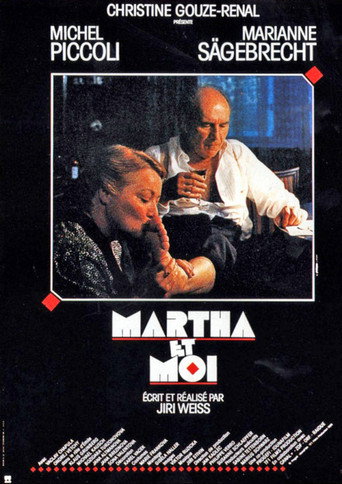
Emil (Vaclav Chalupa as a teen, Ondrej Vetchy as an adult) has been naughty, and his family is at a loss about what to do with him. He's been dallying with the family maid. They decide to ship him off to spend time with his uncle Ernst Michel Piccoli), who married his family maid. The boy has a good relationship with his uncle, and a touching picture of Czech family life just at the advent of World War II emerges. Since Emil and Ernst are both Jewish, they are eventually carted away by the Nazis.
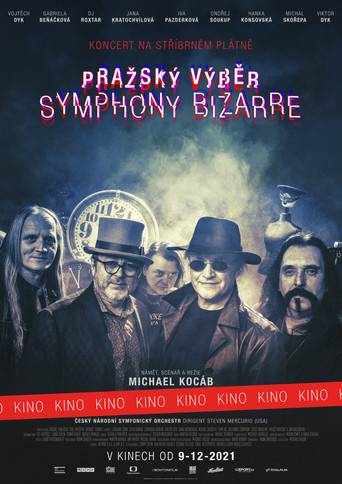
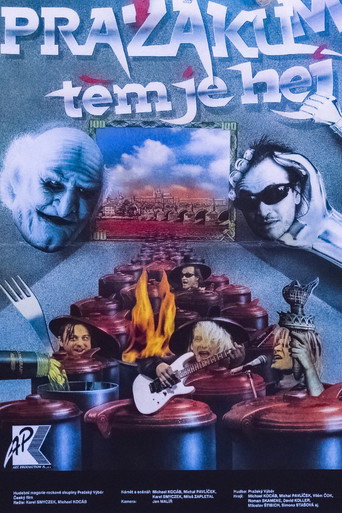
The story begins in 1984 in Prague, Czechoslovakia, few years before the end of Communist era. The band Pražský výběr (Prague's selection) has just received the news thier 5-year ban has expired and they are alowed to perform once again. This half fantasy half document about the band would draw the atmosphere of middle european late Communist era and the eufory of it's end.
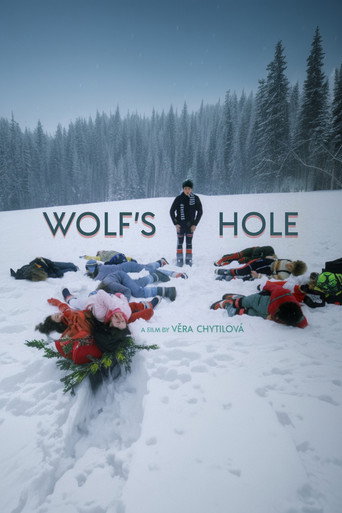
Eleven disparate adolescents, gathered for a skiing camp at an isolated winter resort, find themselves preyed upon and set against one another by their three mysterious instructors.
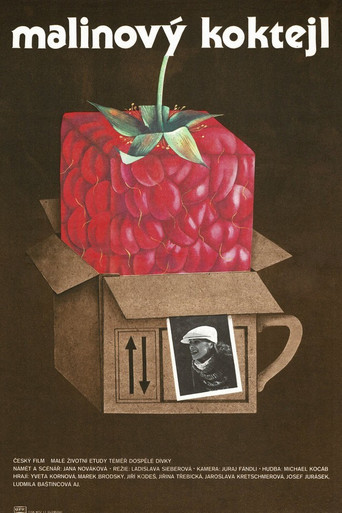
Story of a high-schooler who fails to gain a place at university and necessarily finds herself having to take a job behind the counter at a buffet.
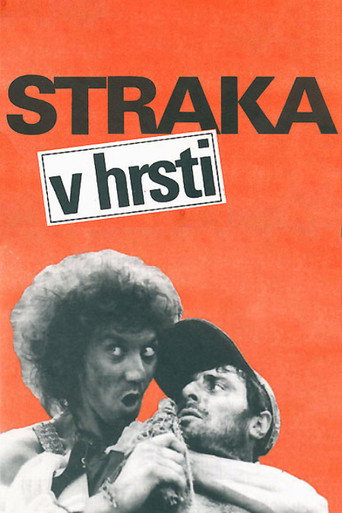
A tragicomic story about Lady Poverty who, unmistakably and without any hesitation, catches one lazy fellow after another. However, she is helpless when she comes across a diligent and work-loving fellow. Poverty simply cannot be destroyed, but it can be defeated.
This distinctive documentary portrait of Prague extolls the beauty, significance and spirit of the ancient city adopting modern way of life. The form and content of the film share a common underlining principle. The author doesn't simply list out the sequence of events, but rather approaches them in a broader context of their historic implications and circumstances. The content of the film covers a large period from the pagan times to these days. The facts are grouped under several general headings (paganry, the spread of Christianity, renaissance, baroq and modern times) with allusions to the modern life of Prague and Praguers that has its roots in those times.
The “Raging Reporter” Egon Erwin Kisch (1885-1948) was one of the most significant journalists of the 1920s and 30s. He wrote from a communist point of view, in language that sparkled with humor. Historic photographs and footage describe Kisch’s eventful journalistic and political life, which brought him to important cities including Berlin, Moscow, Sydney, and New York.
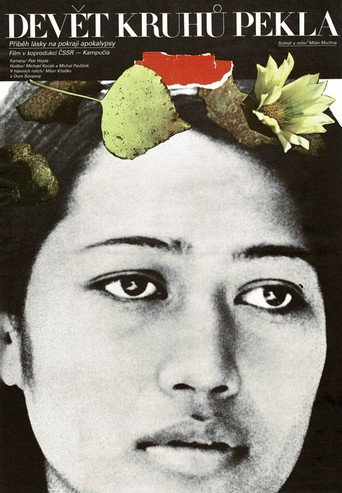
As the Khmer Rouge carves a path of death throughout the land, a Czech doctor falls in love with a Cambodian woman. Their relationship, though sorely strained by the war's horrors, produces a child. The doctor is separated from his family once Pol Pot assumes control.
In the film, the creative forces of personalities from three spheres of art collide. The subtitle "The Game of Love and Hate" refers to the motivation of an old Czech medieval satire, the theme belongs to Antonín Přidal, an expert on this subject. His collaboration with Juraj Herz created a collage of past and present, an updated, sharp satire and a parable about the clash of human qualities that could not but end up in the vault. The music of the Prague Selection - Michael Kocáb and Michal Pavlíček - also contributed to the film's offensive provocativeness - the film was one of the reasons for their complete move to the underground. The dancing chorus of medieval citizens resembles more of a jumble of long-haired maniacs, the edge of a contemporary dump intrudes into the space of a medieval marketplace, and the characters oscillate between the past and the present, whether in their appearance, symbolism or behaviour.