Michał Żebrowski Movies, TV Shows, and Filmography

Michał Żebrowski
Acting
Biography
Michal Zebrowski was born on June 17, 1972 in Warsaw, Mazowieckie, Poland. He is an actor, known for The Pianist (2002), The Hexer (2001) and With Fire and Sword (1999). He has been married to Aleksandra Adamczyk since June 20, 2009.
Filmography Movies
Acting

The Pianist
The true story of pianist Władysław Szpilman's experiences in Warsaw during the Nazi occupation. When the Jews of the city find themselves forced into a ghetto, Szpilman finds work playing in a café; and when his family is deported in 1942, he stays behind, works for a while as a laborer, and eventually goes into hiding in the ruins of the war-torn city.
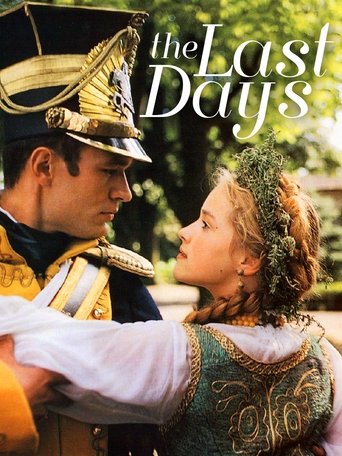
The Last Days
Romance brings two warring families together in this historical drama. As citizens fight for independence in 1810s Lithuania, Tadeusz, the son of a murderer, and Zosia, a young woman, come together for a wedding against a backdrop of changing politics, ancient traditions, and the uncertain future of a country.
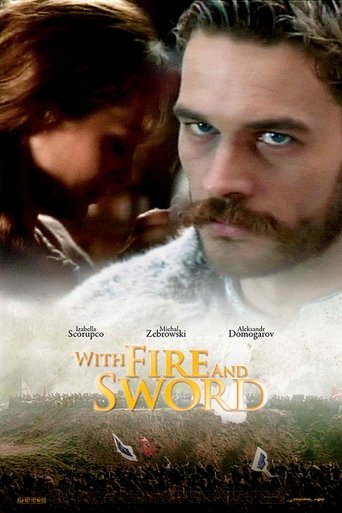
With Fire and Sword
In the mid-17th century, Poland was the largest, most democratic, and most tolerant country in Europe. However, a tragic civil war brought about the gradual decline of the once glorious republic... An epic story about the Ukrainian uprising against the Polish-Lithuanian Commonwealth magnates in the 17th Century.
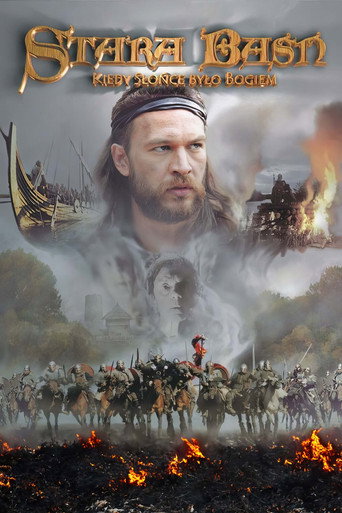
The Old Fairy Tale: When the Sun Was God
In IX century Europe, on the brink of Poland's birth, a cruel prince, Popiel, murders his cousins to ensure his son's succession. His crimes lead to an uprising of his subjects lead by the former commander of Popiel's army, Piastun, and a young hunter and warrior, Ziemowit. Meanwhile Ziemowit falls in love with Dziwa, lovely girl who is to become a priestess in the local temple ...
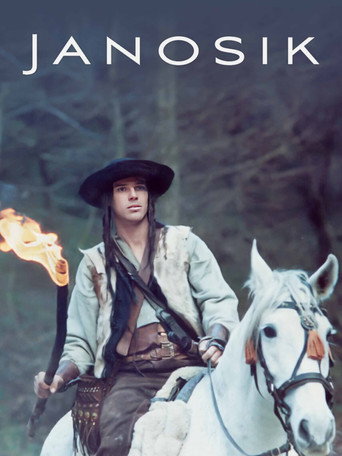
Janosik
The story of Janosik, a legendary "Central European Robin Hood", based on real XVIII century documents and a romantic legend. Young Janosik, burnt out by war experiences and disappointment in love, joins a team of brigands. Soon after he becomes the troop's leader and is recognized as a brave and honorable commander, he never kills anyone he robs. Along with the fame he starts enjoying popularity among women. But Janosik's success raises jealousy in one of the troop's members, greedy and brutal Huncaga.
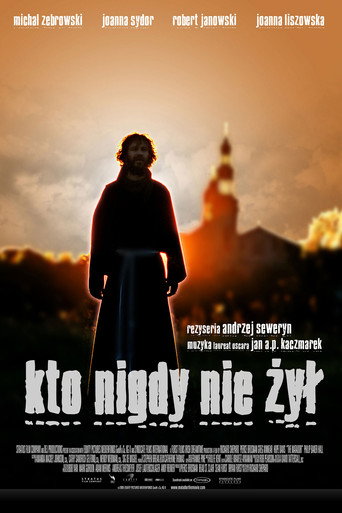
Who Never Lived
A young, charismatic priest John, his time missionary in Africa, every day helping Warsaw young people addicted to drugs. Unconventional methods, which are used in pastoral work, raise many doubts about his superiors. Surprisingly, however, his life undergoes a sudden transformation when routine testing finds out that he is HIV positive.
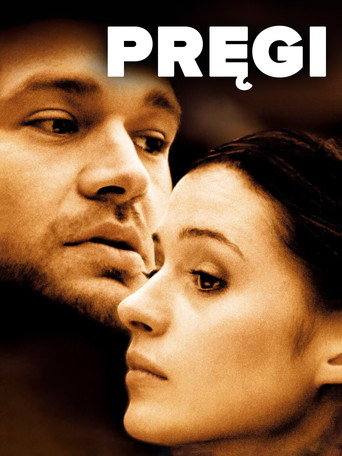
The Welts
Following the death of his mother in '80s Poland, 12-year-old Wojciech has taken the brunt of his stressed father's frustrations with him; the boy frequently gets punished via belt. Wojciech's father occasionally tries to, instead, bond with him, but soon snaps back to his short-fused habits. Apart from Wojciech's friend Bartek, no one does anything to help. Jump to present day, Wojciech is a furrow-browed journalist who spends most of his spare time spelunking alone. Just like his father, he has serious anger management issues. Fellow caver Tania feels inexplicably attracted to him, but the love of a good woman may not be enough.
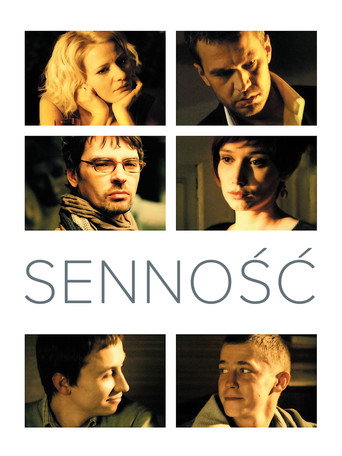
Drowsiness
The emotional inertia and chaos affecting a narcoleptic woman, a fatally ill writer and a gay doctor, and their attempts to escape from their dead-end situations.
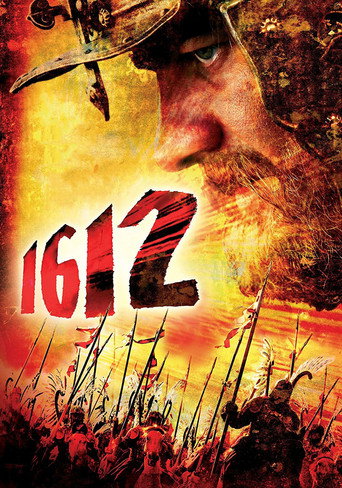
1612: Chronicles of the Dark Time
The czar of Russia has died and a power vacuum has developed. This period in the late 16th and early 17th century has been called "The Time of Troubles." There are many impostors who claim to the right to rule, but there's only one heir, the Czarina Kseniya Godunova. She has married a Polish military leader who wants to claim the Russian throne in her name so he can rule all of Russia. As the Poles move in on Moscow in an attempt to install the czarina on the throne, Andrei, a serf with a life-long infatuation of the czarina attempts to save her from her brutal Polish husband.
Poznań 56
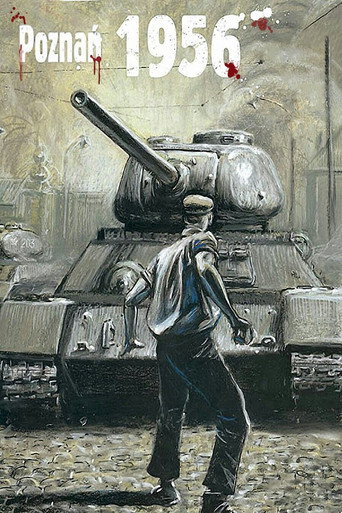
The film depicts the momentous and tragic history of the Poznan uprising of 1956. The memory of the director, who was a nine-year-old boy at the time, is the only canvass of the script. The main characters of the black-and-white film are two boys aged ten and twelve. From their perspective, the viewer follows the development of events. From the depths of the gates, through the rails of fences and cluttered backyards, through the eyes of the children we watch the street riots. The film, without action in the literal sense of the word, was made using a reportage technique that perfectly captures the spontaneity of the Poznan uprising. Among other things, the author of the picture depicts the adventures of a young worker Zenek, who becomes the unwitting leader of the protest, and five professors, who by chance find themselves in the very center of events.
Gallery