Mišo Suchý Movies, TV Shows, and Filmography
Mišo Suchý
Directing
Biography
Mišo makes photographs and films with his family on both sides of the ocean, reflecting on experiences and familial narratives, some small and some not so small. Suchý’s films have screened in numerous film festivals in the U.S., Great Britain, Germany, Italy, France, Poland and the former Czechoslovakia, where Suchý is originally from. Suchý has been a visiting artist at the International Museum of Photography and Film at George Eastman House; the Yale University School of Art; Hallwalls Contemporary Arts Center, Buffalo; and Cornell Cinema, among others. His film “Dzhavas Mange Dlugone Dromeha” was screened at the Centre George Pompidou, Paris, in a retrospective of Czech and Slovak documentary cinema. His photographs, often part of his long-term projects, were exhibited in the Photographers’ Gallery, London; the Washington Project for the Arts, Washington, D.C.; the National Gallery, Bratislava, Slovakia; and published in National Geographic Magazine, GEO, The Philadelphia Inquirer and others. His monograph “When I Was and Was Not at Home” was published by FOTOFO Foundation. Suchý’s film work is supported by grants from such foundations as the PRO-HELVETIA Foundation, Boston Film & Video Foundation, PRO-SLOVAKIA Foundation and New York Foundation for the Arts. His films and photographs are in the collections of the National Center for Cinematography, Slovakia; the National Gallery, Bratislava, Slovakia; the Library of Congress, Washington, D.C.; and the George Eastman House.
Filmography Movies
Acting
The Last Self-portrait
Slovak director Marek Kuboš has not shot a film in 13 years. His first film ever – a student exercise at film school – was a self-portrait. The circle is closed, the source of creativity has seemingly dried up. All that is left to do in the last self-portrait is to clean up after oneself, to recapitulate one’s successes and failures, and to bid farewell to one’s protagonists. This introspective meta-documentary is not so much a study of a creative crisis as it is a self-therapeutic process and an attempt at offering a comprehensive profile of the filmmaker at a time of unstable certainties. Appearing in the role of Kuboš’s consultants are essentially all leading Slovak documentary filmmakers.
Same Same And Different
A docu-dramedy four-part short series of a young international film student from Thailand discovering her sexuality in a 21st century's U.S college setting.
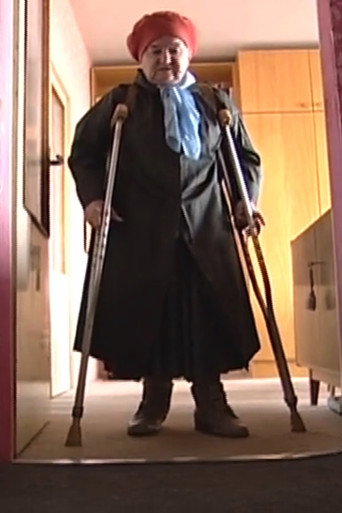
Transmitting Baba
An ocean stood between Baba and her grandson, so she did the only thing she could: she became a whale and swam to him.
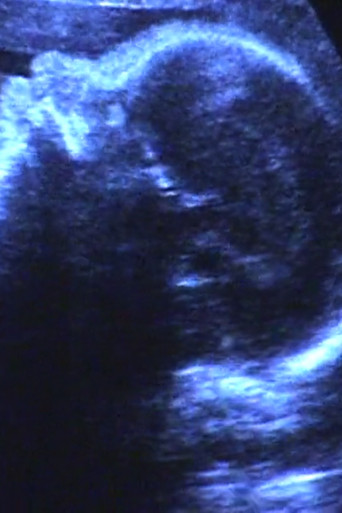
A Short Film for Lida
A love letter told through still photographs
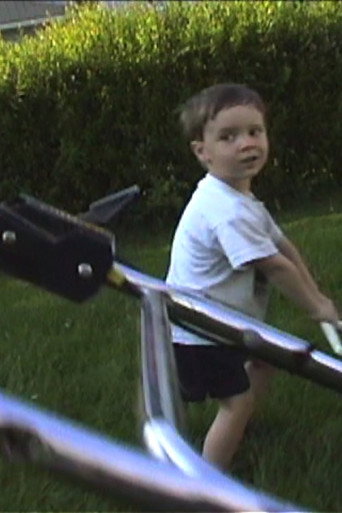
Home Movie: A Diary for my American-Born Son
A film about homes on both sides of an ocean.
Production
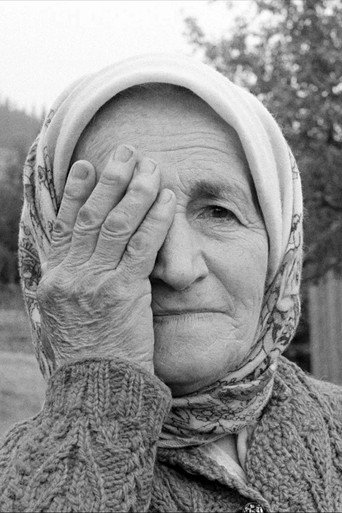
Pictograph
Vignettes of life in the village Kryvorivnya in the Carpathian Mountains of Ukraine, where once the novel "Shadows of Forgotten Ancestors" was written and later filmed and where, to this day, the passage of time has its own pace.
About Dogs And People
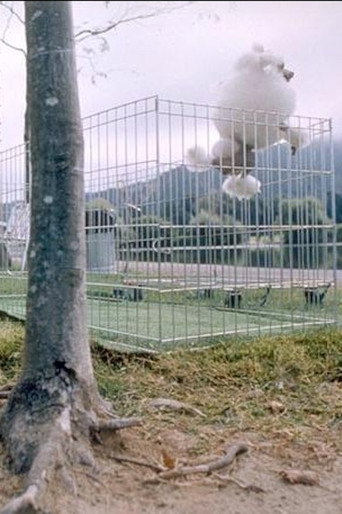
When I first arrived in America, (from my native Slovakia), I neither spoke nor understood a word of English and I soon found myself in the position of a mute creature. Perhaps it was this experience of muteness that inspired me to make a film about America from the perspective of a creature that neither speaks nor understands this country’s language or ways. Dogs can’t speak, but they can tell a lot about the society in which they live. About Dogs and People is an account of my journey across America to explore its’ canine culture. The film is made in the form of an essay: it uses authentic footage, but presents the material in a subjective way. Derived from my experience with non-verbal communication, the film “speaks” through imagery, using the vocabulary of archetypal gesture, tone, melody and rhythm.
A Spot for Frog
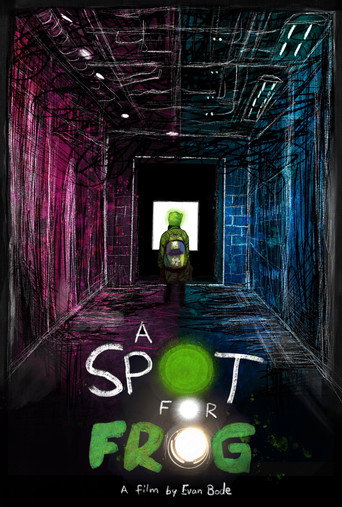
Locked out of the school art room, a creative non-binary teen named Frog grapples with anxiety as they seek a new place to eat lunch. Imagination blurs with reality in this hybrid work of live action and animation about finding a place to belong.
Prysia’s Garden
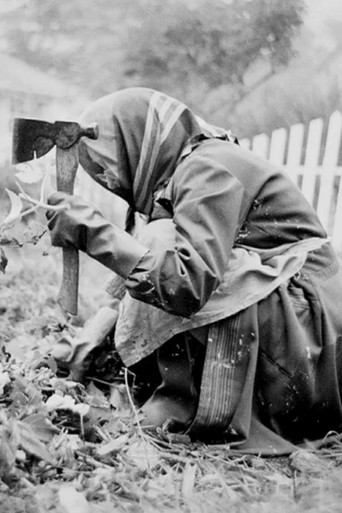
An intimate meditation on exile and home, Prysia’s Garden portrays the quiet life of aging Ukrainian refugee Prysia through the detailed photographic lens of first-generation Ukrainian-American Lida Suchy. By confronting Prysia’s story, Lida reflects upon her own roots, looking to understand what makes a new place a home.
Slovakia 2.0
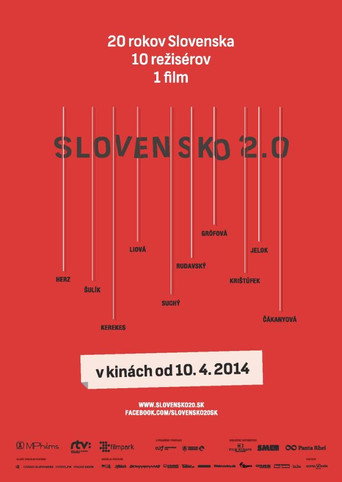
What is “Slovakia”? How to explain the notion of “Slovakia” of the past 20 years to an unknown stranger, a visitor from another planet? What is the genetic makeup or the software for “Slovakia”? How to use it? How does it change? Slovakia 2.0 is a film about twenty years of independent Slovakia as seen from the perspective of ten film directors. It is composed of ten 10-minute films of different genres ranging from drama, through animation and documentaries, to experimental film. The ten recognised film directors who offer an answer to what is Slovakia include a wide range of generations, views and genres, namely Juraj Herz, Martin Šulík, Peter Kerekes, Zuzana Liová, Mišo Suchý, Ondrej Rudavský, Iveta Grófová, Peter Krištúfek, Viera Čákanyová, and Miro Jelok.
Slovakia 2.0
What is “Slovakia”? How to explain the notion of “Slovakia” of the past 20 years to an unknown stranger, a visitor from another planet? What is the genetic makeup or the software for “Slovakia”? How to use it? How does it change? Slovakia 2.0 is a film about twenty years of independent Slovakia as seen from the perspective of ten film directors. It is composed of ten 10-minute films of different genres ranging from drama, through animation and documentaries, to experimental film. The ten recognised film directors who offer an answer to what is Slovakia include a wide range of generations, views and genres, namely Juraj Herz, Martin Šulík, Peter Kerekes, Zuzana Liová, Mišo Suchý, Ondrej Rudavský, Iveta Grófová, Peter Krištúfek, Viera Čákanyová, and Miro Jelok.
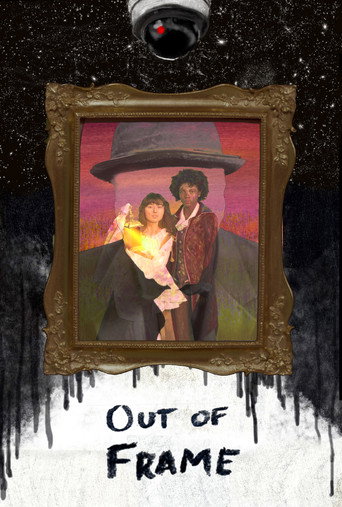
Out of Frame
Trapped in their frames and monitored by a menacing curator, two paintings long to escape from the art gallery's white walls. As the paintings lock eyes across the room, an unspoken connection between them sets the stage for revolution. With a distinctive blend of live-action and animation, this short film by Evan Bode employs surreal metaphor to explore ideas about power, resistance, queer identity, visibility, and liberation from constructed borders.
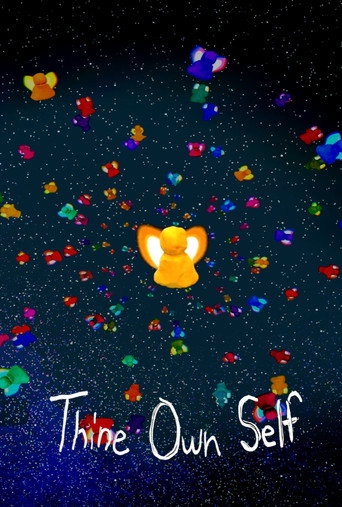
Thine Own Self
Torn from their home by a hand in the sky, colorful entities seek freedom from a rigid binary in this short experimental animation.
Pictograph
Vignettes of life in the village Kryvorivnya in the Carpathian Mountains of Ukraine, where once the novel "Shadows of Forgotten Ancestors" was written and later filmed and where, to this day, the passage of time has its own pace.
Pictograph
Vignettes of life in the village Kryvorivnya in the Carpathian Mountains of Ukraine, where once the novel "Shadows of Forgotten Ancestors" was written and later filmed and where, to this day, the passage of time has its own pace.