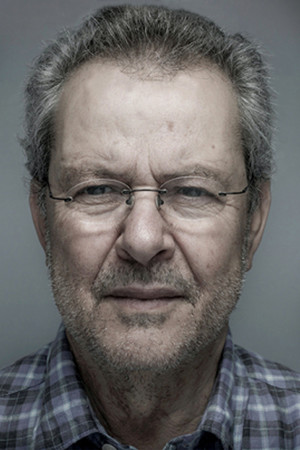
Merzak Allouache Movies, TV Shows, and Filmography
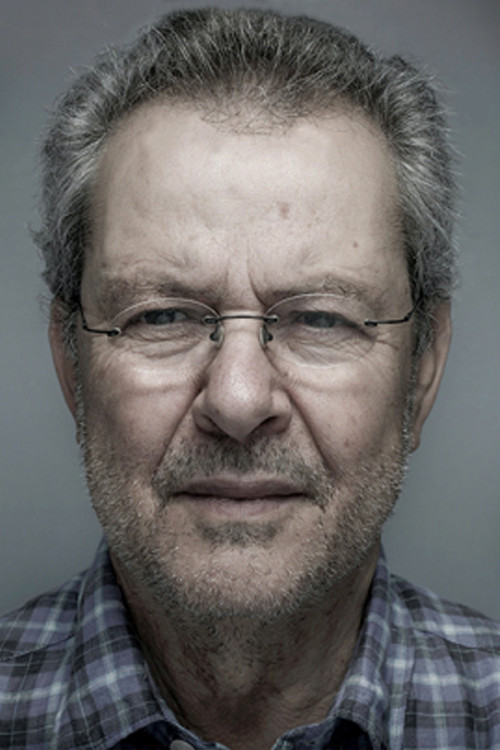
Merzak Allouache
Directing
Biography
Merzak Allouache (born 6 October 1944) is an Algerian film director and screenwriter. His 1976 film Omar Gatlato was later entered into the 10th Moscow International Film Festival where it won the Silver Prize. His 1996 Salut cousin! was submitted to the 69th Academy Awards in the category of Best Foreign Language Film. He is one of the most influential Algerian filmmakers, considered by some to be the most important. He is the only Algerian filmmaker who devoted most, if not all, of his cinematic work to his native country.
Filmography Movies
Acting
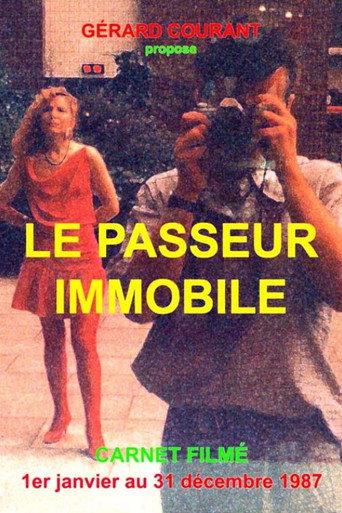
Le Passeur immobile
Le Passeur immobile, which covers the year 1987, is a Booklet filmed stuck between The Days and the Nights (1986) and The Artifice and the Fake (1988). These Notebooks have been punctuating my activity as a filmmaker for about fifteen years. They are like a life parallel to my other films and film series (Cinema, Group Portrait, Read, etc.). They are also like a letter to the spectators.
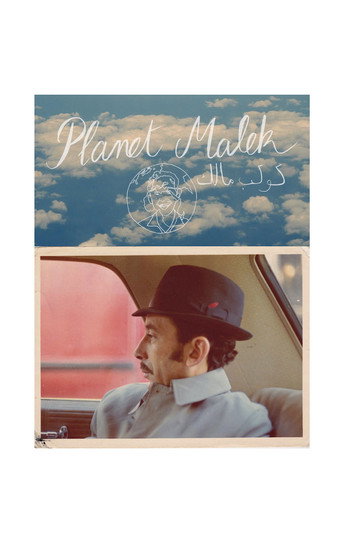
Planet Malek
Ahmed Malek’s name might have been forgotten by his fellow Algerians but his timeless tunes certainly haven’t. Called the Ennio Morricone of Algiers, he composed music for more than 200 movies, amongst which the most famous films of the Algerian New Wave in the 70s and the 80s can be found. Paloma Colombe, a DJ, digger and documentary director, went to Algiers to meet his daughter, friends and former coworkers. Images of the city by night offer a perfect background to Ahmed Malek’s music. Globetrotter, pioneer of electronic music and of the concept of the home studio, he created a unique sound that truly goes beyond genres and countries.
Cinématon XIII
Reel 13 of Gérard Courant's on-going Cinematon series.
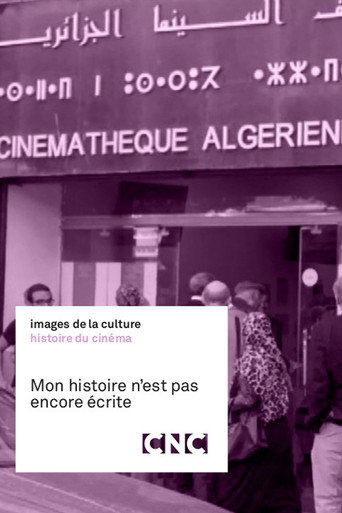
My Story Is Not Yet Written
Jacqueline Gozlan - who left Algeria with her parents in 1961 - nostalgically retraces the history of the Algiers Cinematheque, inseparable from that of the country's Independence, through film extracts and numerous testimonies; notably that of one of its creators, Jean-Michel Arnold, but also of filmmakers such as Merzak Allouache and critics such as Jean Douchet. A place of life for Algerians, the Cinémathèque was the hub of African cinemas. Created in 1965 by Ahmed Hocine, Mahieddine Moussaoui and Jean-Michel Arnold, the Cinémathèque benefited from the excitement of Independence. The Cinematheque becomes a meeting place for Algiers society, future filmmakers find their best school there. In 1969, the Algiers Pan-African Festival brought together all African filmmakers, and from 1970, Boudjemâa Kareche developed a collection of Arab and African films.
Production
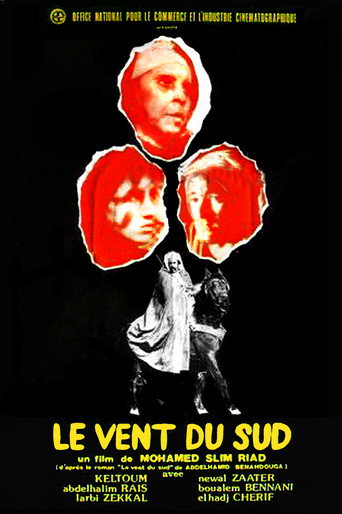
Wind from the South
Néfissa, a student in Algiers, returns to her village in the south in the summer. Her father wants her to marry the mayor but she wants to continue her studies. Confronting her father and the opinion of the villagers who do not understand her, she decides to flee to Algiers. The shepherd Rabah discovering her wounded and lost in the mountains, has her treated by her mother. In contact with Nefissa, Rabat becomes aware of his exploited condition and discovers the possibilities offered to him by the cooperatives of the agrarian revolution. The two young people will go through the decisive stage together which will allow them to escape obscurantism and exploitation. Based on the novel "Le vent du sud" by Abdelhamid Benahouga
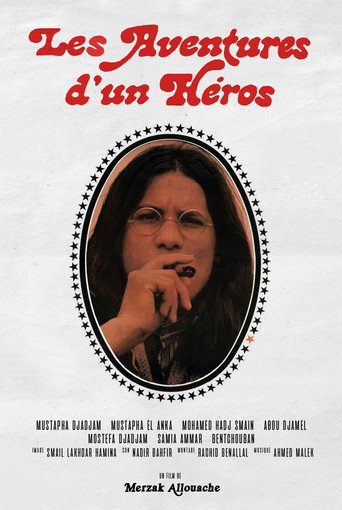
The Adventures of a Hero
In one of the tribes of the Algerian Sahara, everyone awaits the arrival of the hero who will defend the rights of the poor. A man decides one day to put the mark of the "hero" on his newborn son and the whole tribe celebrates the arrival of this eagerly awaited messiah who came to save them. This false hero then grows up by assuming his role of savior. Filled with cynicism, he crosses the countryside and has a number of adventures.
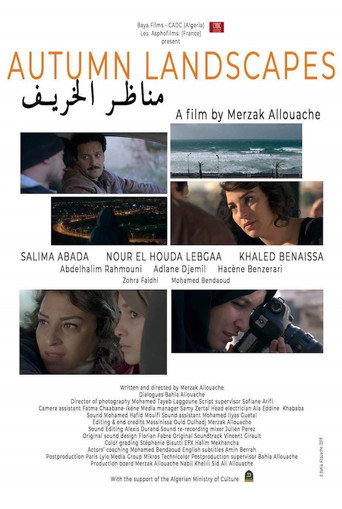
Autumn Landscapes
Mostaganem, 2019. In a few weeks, five teenage girls are found dead on the beach. The bodies all bear the same marks of violence. How to explain these serial murders? Mobilizing her informers and a cop friend, Houria, a seasoned journalist, leads the investigation. And despite the pressure to give up, the young woman is pugnacious. But the decision to continue her investigation at all costs will not be without consequences.
Autumn Landscapes
Mostaganem, 2019. In a few weeks, five teenage girls are found dead on the beach. The bodies all bear the same marks of violence. How to explain these serial murders? Mobilizing her informers and a cop friend, Houria, a seasoned journalist, leads the investigation. And despite the pressure to give up, the young woman is pugnacious. But the decision to continue her investigation at all costs will not be without consequences.
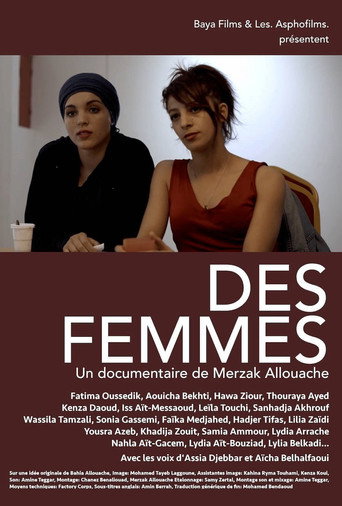
Des femmes
As the peaceful and determined Hirak movement gathers momentum and hopes for profound political change sweep across Algeria, women are combining femininity and feminism in the past, present, and future.
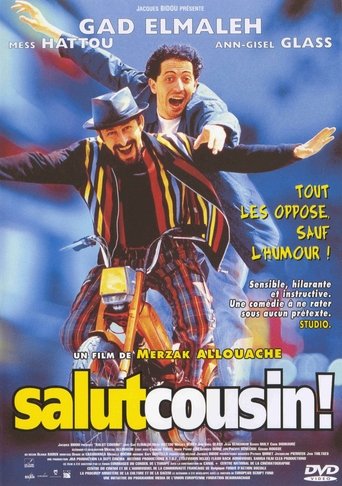
Salut cousin !
The comedy in this lively film barely conceals its darker, more serious undertones as it chronicles a young Algerian's eye-opening introduction to the joys and travails of being an immigrant in Paris. Alilo has left his home to pick up an important suitcase for his employer. Unfortunately, he has lost the Parisian address. Fortunately, his cousin Mok, emigrated there several years before with his middle-class family before and is able to act as a guide. Mok, an aspiring rap singer, comes from a middle-class family, but chooses to live on his own in the dilapidated deteriorating 18th district, known as 'Moskova.' Mok characterizes the place as a haven for artists and intellectuals, but it is plainly just a Third World slum filled with tightly knit and colorful neighbors. Mok and Alilo have many interesting, some tragedy-tinged adventures over the five days it takes them to find the suitcase.
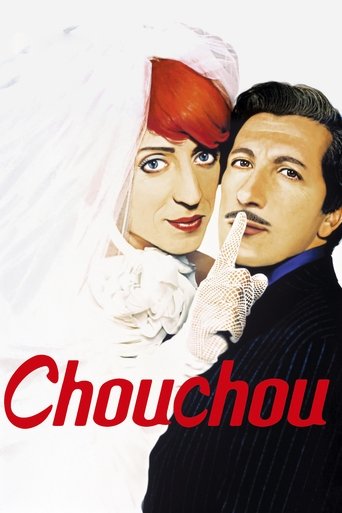
Chouchou
Choukri, alias Chouchou, a transvestite Maghrebi with clear eyes, comes illegally to Paris to find his nephew. Hired as an assistant by a psychotherapist, known for his good mood, he also work as a waiter in a transvestite cabaret of Clichy where he meets Stanislas.
Chouchou
Choukri, alias Chouchou, a transvestite Maghrebi with clear eyes, comes illegally to Paris to find his nephew. Hired as an assistant by a psychotherapist, known for his good mood, he also work as a waiter in a transvestite cabaret of Clichy where he meets Stanislas.
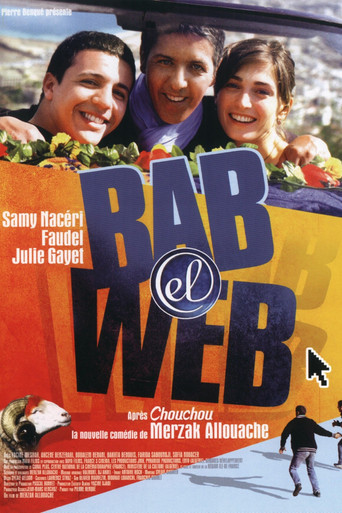
Bab El Web
Kamel and his brother Bouzid live in Bab el Oued, a working-class neighborhood in Algiers. Kamel is a loner, disillusioned and taciturn. Bouzid, more jovial, is an Internet enthusiast. He spends his time in a cybercafé chatting with girls from all over the world. Without really believing it, he invites them to Algiers. But one day, Laurence, one of his French correspondents, tells him that she accepts his invitation.
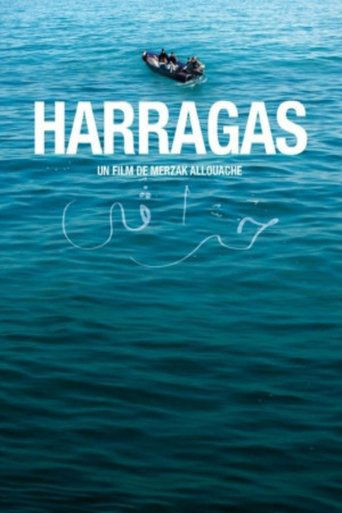
Harragas
Set in the northern Algerian port city of Mostaganem. The title refers to the hordes of refugees, the 'Harragas', who smuggle themselves out of the country via any means possible. Here we meet one such group, Rachid, Nasser and Imene who pay a smuggler, Hassan, to take them to Spain in his rickety boat. Along with a group of African and Arab migrants, they are risking all they have to cross the stormy Straits.
Gallery