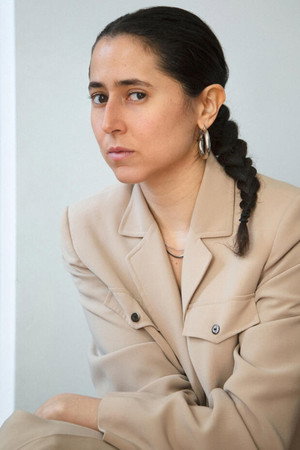
Meriem Bennani Movies, TV Shows, and Filmography
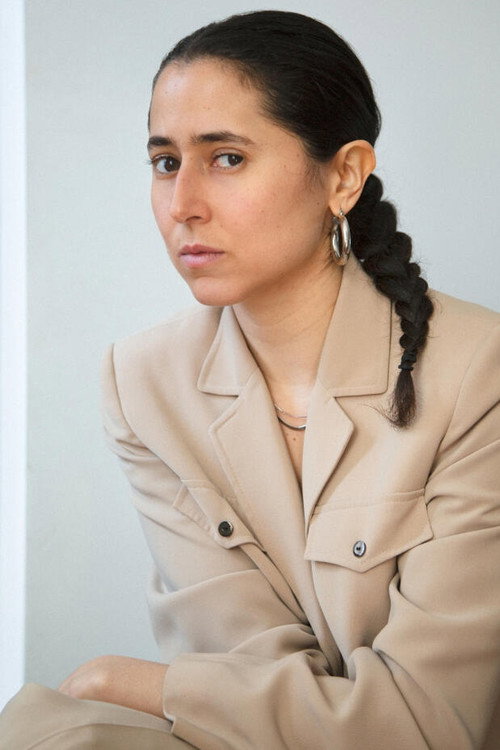
Meriem Bennani
Directing
Biography
Meriem Bennani (born 1988) is a Moroccan artist currently based in New York City. Bennani works in video, sculpture, multimedia installation, drawing, and Instagram. She is known for her playful and humorous use of digital technologies such as 3D animation, projection mapping, and motion capture. She often publishes her work on social media such as Instagram and Snapchat, having over thirty-seven-thousand followers on the latter as of July 2020.
Filmography Movies
Production
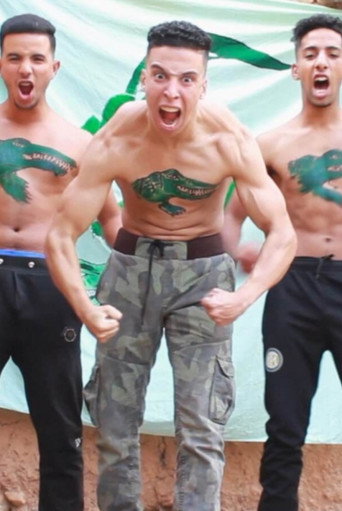
Guided Tour of a Spill
Meriem Bennani’s Guided Tour of a Spill acts as an interlude between her groundbreaking Party on the CAPS (2018), her pseudo-documentary set in the Moroccan quarter of the CAPS, and a narrative sequel set to debut later this year at the Renaissance Society and Nottingham Contemporary. The exhibition consists of the titular multi-channel video projected and displayed on sculptural, kinetic screens alongside new drawings of scenes from the world of the CAPS. One screen, broadcasting what could be an A.I.-generated children’s video, is topped by helicoptering ropes that slap the gallery walls. Inspired by the compilation structure and synesthetic drive of Disney’s Fantasia (1940), Guided Tour of a Spill centers less on overt narrative and more on the visceral and sensorial pleasure of music, dance, athletics and humor.
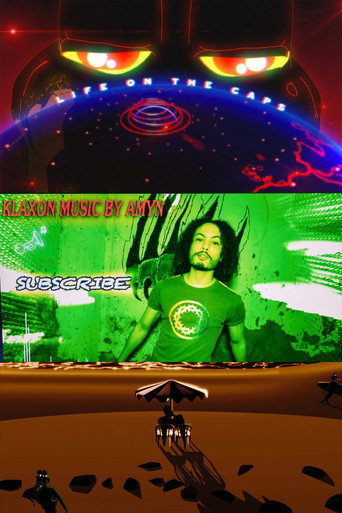
Life on the CAPS
Life on the CAPS is the final chapter in Meriem Bennani’s film trilogy of the same name, set in a supernatural, dystopian future surrounding a fictional island in the middle of the Atlantic Ocean.
Ghariba
A playful and moving portrait of some women in Morocco. Evoking reality television, home video, and ethnographic film, its visual language is at once intimate and whimsical, with the director’s digital manipulations...amplifying...her subjects’ self-presentations.
Party on the CAPS
" ... Bennani's mother, a real-life pharmacist and pathologist, also plays one here on the CAPS. Her own mother's 80th birthday is the occasion for the titular party, at which she will debut a youthful new look, the product of an extensive rejuvenation procedure ... Shot in the artist's home city of Rabat, Morocco, the 30-minute video channel-surfs between pirate frequencies, surveillance footage, and documentation of the raucous celebration. We spend time with the party’s MC-for-hire as he slurps harira, flips off a trooper, and dispenses a longish musical interlude about a food vendor who once invoked his ire. Eventually, we land on the nightmarish, static-riven eyes and mouth of ZIP, a user interface promising an illicit escape from the CAPS, suggesting we "sign the lease" on a new body in Florida." — Maxwell Paparella (Screen Slate)
2 Lizards
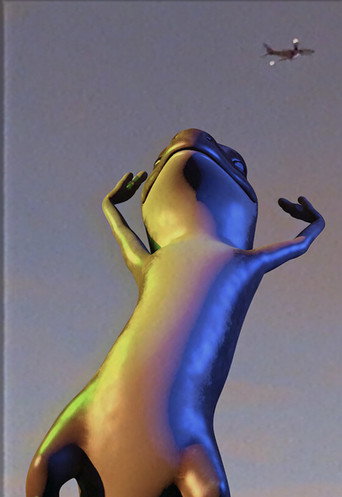
Two lizards are grappling with the reality of the first wave of the COVID-19 pandemic in New York.
Party on the CAPS
" ... Bennani's mother, a real-life pharmacist and pathologist, also plays one here on the CAPS. Her own mother's 80th birthday is the occasion for the titular party, at which she will debut a youthful new look, the product of an extensive rejuvenation procedure ... Shot in the artist's home city of Rabat, Morocco, the 30-minute video channel-surfs between pirate frequencies, surveillance footage, and documentation of the raucous celebration. We spend time with the party’s MC-for-hire as he slurps harira, flips off a trooper, and dispenses a longish musical interlude about a food vendor who once invoked his ire. Eventually, we land on the nightmarish, static-riven eyes and mouth of ZIP, a user interface promising an illicit escape from the CAPS, suggesting we "sign the lease" on a new body in Florida." — Maxwell Paparella (Screen Slate)
Bouchra
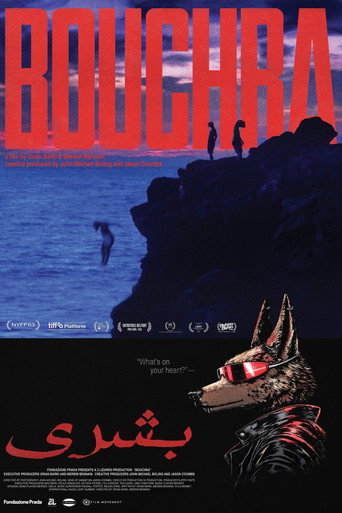
Wrestling with writer’s block for her first film, Bouchra, a queer Moroccan jackal living in NYC, starts having difficult yet overdue phone calls with her mother in Casablanca that begin influencing the project. Balancing the precarity of working as an artist, the rift in her cultural identity and an array of romantic interests, Bouchra’s emotional reckoning becomes her path to expression.
Bouchra
Wrestling with writer’s block for her first film, Bouchra, a queer Moroccan jackal living in NYC, starts having difficult yet overdue phone calls with her mother in Casablanca that begin influencing the project. Balancing the precarity of working as an artist, the rift in her cultural identity and an array of romantic interests, Bouchra’s emotional reckoning becomes her path to expression.
Bouchra
Wrestling with writer’s block for her first film, Bouchra, a queer Moroccan jackal living in NYC, starts having difficult yet overdue phone calls with her mother in Casablanca that begin influencing the project. Balancing the precarity of working as an artist, the rift in her cultural identity and an array of romantic interests, Bouchra’s emotional reckoning becomes her path to expression.
Siham & Hafida
Siham and Hafida are two chikha performers who sing traditional Moroccan Aita, a style of music which is a historical symbol of resistance against French colonisation. Several generations apart, they are also bitter rivals. Bennani stages this melodrama with a mischievous touch, in the style of reality TV.
Gallery