Acting
No biography available.
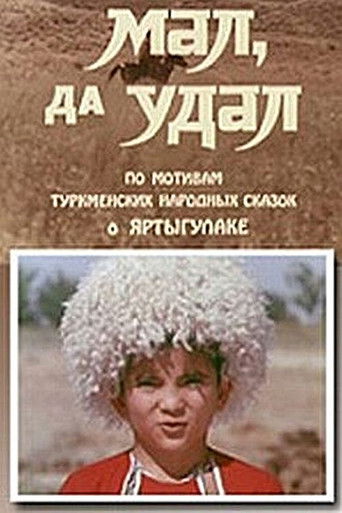
Based on Turkmen folk tales. Life in the world was bad for poor Alty-aga. He had no children, the wagon was thin, and the cauldron was empty. But after meeting the tiny boy Yartygulak, his life changed...
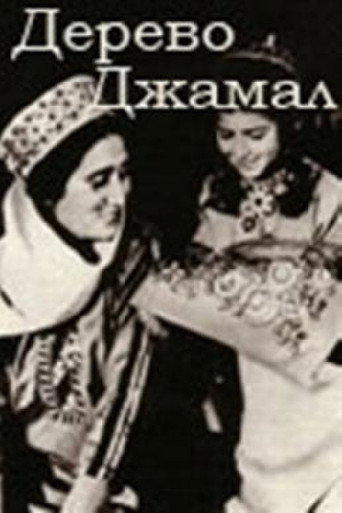
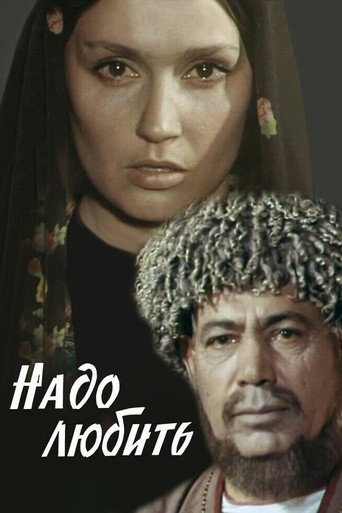
Story of Jamal, a Turkmen woman who is left to tend to the farm when her husband goes off to fight in WW2.
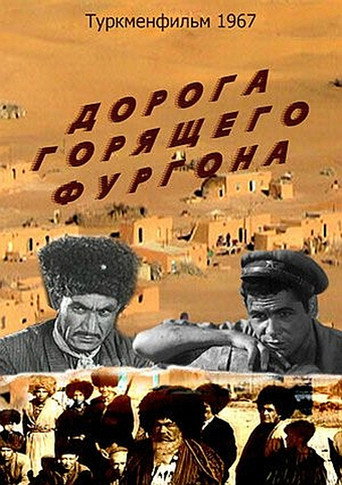
...Komsomol member Begench, who served in the army, and his fellow villager Vellek, whom they met in the city, return to the village. The kulaks, led by Kuiki and his son Cherkez, run everything in the village. They are turning people against the collective farm, sabotaging the sowing campaign. The Basmachi kill the chairman of the collective farm. Residents of the village rise up to fight. In the battle with the Basmachi, many of them die. Nevertheless, the supporters of the collective farm system are victorious and go out into the field in the spring.
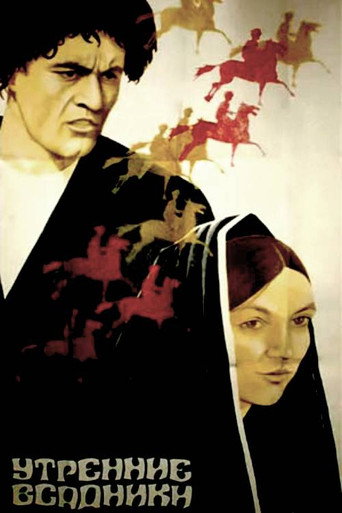
The film covers the period from 1903 to the mid-1920s. In the center of the epic narrative is the story of the difficult love of the poor Berda and the daughter of the shepherd Uzuk, who will be freed and made happy by the revolution.
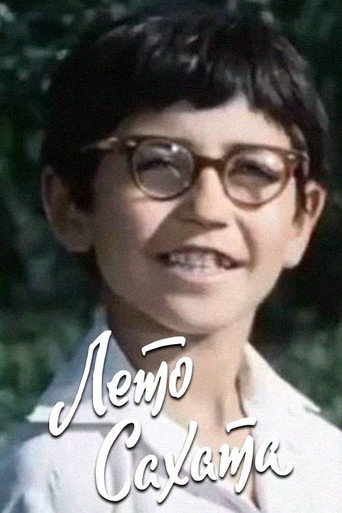
Sahat, a schoolboy, spends his summer holidays with his grandfather in a mountain village. The boy learns pottery, helps to harvest crops, takes care of a small camel. Here Sahat gets his first work skills, lessons of caring for the surrounding nature.
The film tells about the people who built a full-flowing river in the very heart of the Black Desert — the Karakum Canal, linking the waters of the Amu Darya and the Caspian Sea. Life and work in the desert are far from easy, yet the film focuses not on the harshness of everyday life but on the moral atmosphere within the working collective.
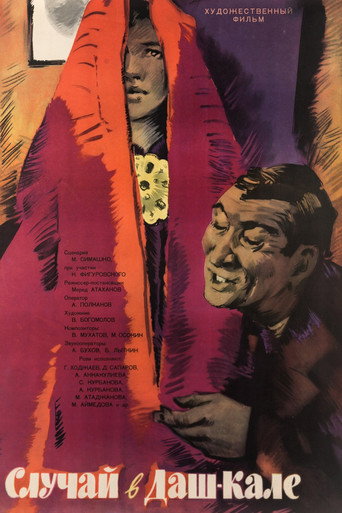
Maya, who grew up in the city, comes to the old village of Dash-Kala. A young teacher becomes a witness to how young Soltan is being sold in marriage.
The confrontation of two, in their own right, sides: the young chairman of the collective farm Dzhupbar, who dreams of rebuilding the village "in a new way", and the elders, who do not want to part with the long-standing plane tree, the beauty and pride of the village.