Merata Mita Movies, TV Shows, and Filmography
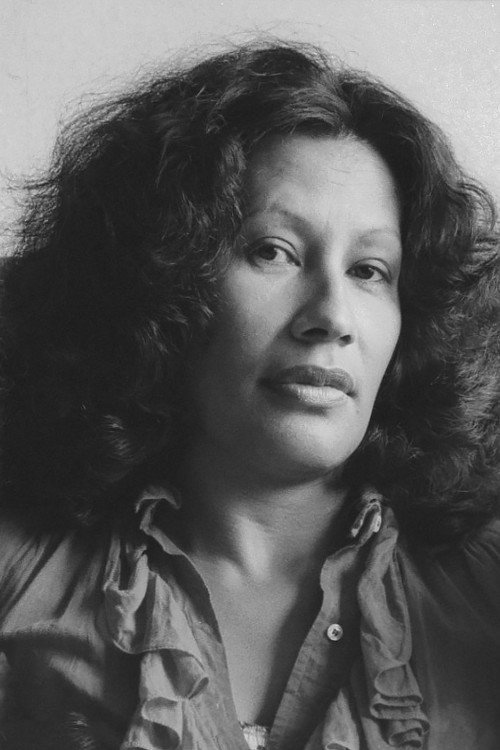
Merata Mita
Directing
Biography
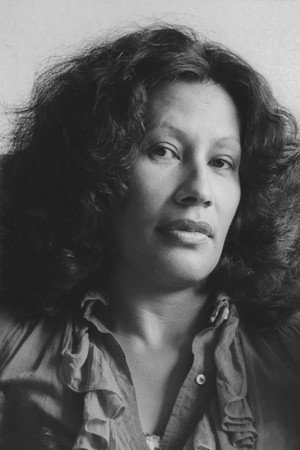
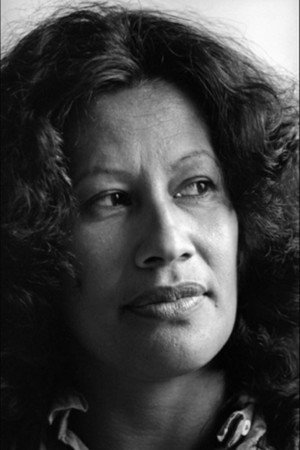
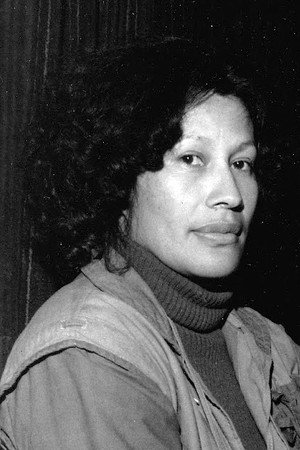
Merata Mita, CNZM was a New Zealand actress and filmmaker, as well as a key figure in the growth of the Māori screen industry. Mita was from the Māori tribes of Ngāti Pikiao and Ngāi Te Rangi.
Filmography Movies
Acting
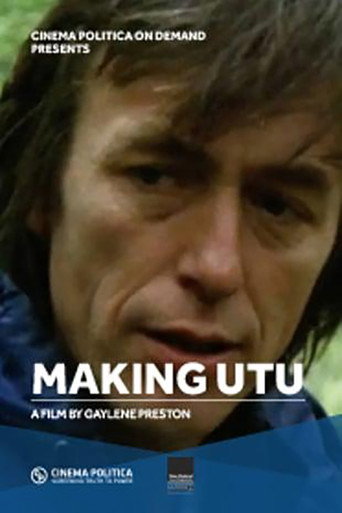
Making Utu
Making of documentary on the set of New Zealand's first epic Utu (1983), working with little money and dealing respectfully with matters of cultural protocol. Merata Mita discusses complex issues of inter-cultural conflict.
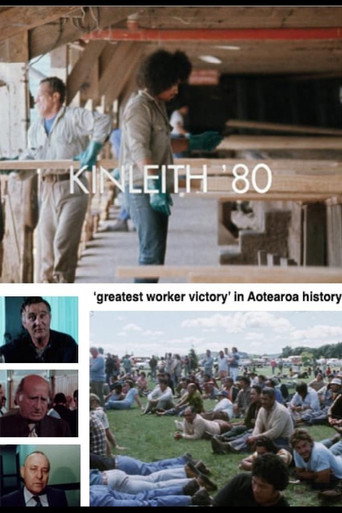
Kinleith '80
Covers the 12-week-long strike at Kinleith Pulp and Paper Mill, owned by New Zealand Forest Products in January 1980.
Pākiri: The Filmmaker, the Cook & the Singer
As the name of this short film promises, a filmmaker (Merata Mita), a cook (Anne Thorp) and a singer (Moana Maniapoto) sit down for an interview at Pākiri beach. With a focus on their personal lives, these highly accomplished wahine Māori are generous in sharing what motivates and challenges them in their mahi — with friendship a recurring theme. Filmed a year after the disbanding of her group Moana and the Moahunters, Maniapoto is particularly vulnerable in her reflections. The film was made by Honours student Sam Cruickshank as part of a Film and Media Studies degree at Auckland University.
Kaleidoscope
This Kaleidoscope documentary timed in with the release of Nicholas Reid’s book A Decade of New Zealand Cinema. The book cherrypicked Reid's favourites from the renaissance in local movies that began with Sleeping Dogs in 1977. Reid and a who’s who of local filmmakers discuss many of the 50+ features from the previous decade (with Bruno Lawrence ever present). They ponder the uniqueness (or otherwise) of Kiwi film. A fondness for rural and small town settings, and forceful, often conflicted, male leads is explored. Neglected areas — Māori film and more of a voice for women — are traversed.
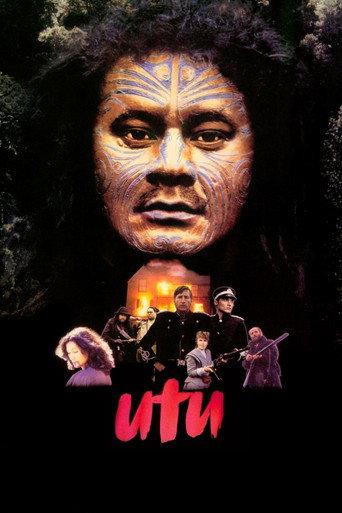
Utu
In New Zealand in the 1860s the native Māori people fought the British colonials to keep the land guaranteed to them by treaty. The warrior Te Wheke fights for the British until betrayal leads him to seek utu (revenge). The settler Williamson in turn seeks revenge after Te Wheke attacks his homestead. Meanwhile Wiremu, an officer for the British, seems to think that resistance is futile.
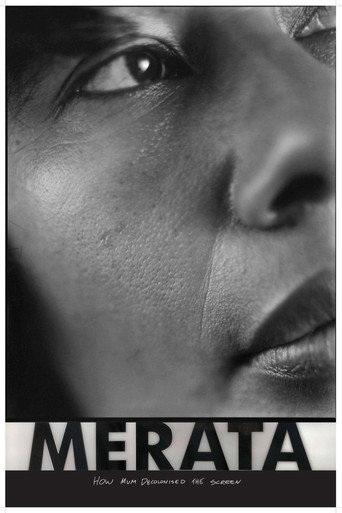
Merata: How Mum Decolonised the Screen
This film is an intimate portrayal of pioneering filmmaker Merata Mita told through the eyes of her children. Using hours of archive footage, some never before seen, her youngest child and director Hepi Mita discovers the filmmaker he never knew and shares the mother he lost, with the world.
Hautoa Mā! The Rise of Māori Cinema
Documentary Hautoa Mā! The Rise of Māori Cinema reveals the remarkable impact Māori have made on New Zealand cinema.
Production
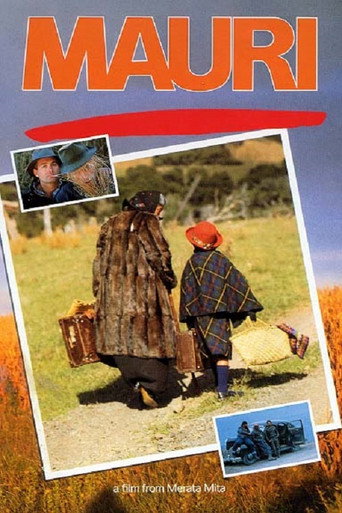
Mauri
Rewi Rapana returns to the small country town of Te Mata after his family has left the district. His arrival rekindles old tensions as well as renewing family ties. He is seeking an identity and a permanent place to call home yet desperately hiding a secret from his past. Oddly enough there is one person with whom he finds peace of mind. She is an old woman known as Kara. A special relationship develops between Rewi, Kara and Kara’s great granddaughter Awatea.
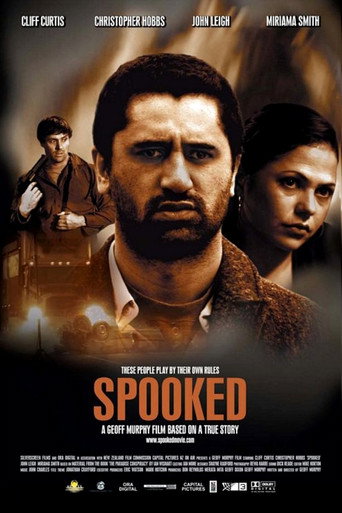
Spooked
Spooked is a contemporary conspiracy thriller arising from the mysterious death of Kevin Jones, who thought he was just buying second-hand computers, until he looked at the data left on the discs. Was kevin murdered or did he simply get drunk and crash his car? Investigating journalist Mort Whitman says he will find out, even if it kills him. The film is based on material from the book 'The Paradise Conspiracy' by Ian Wishart.
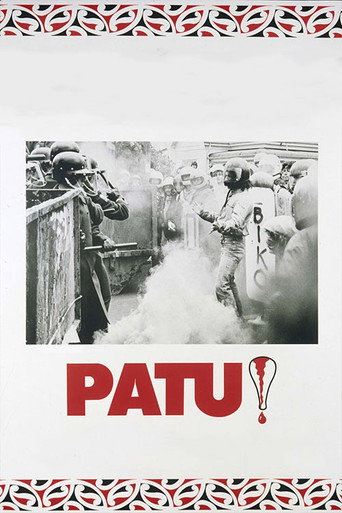
Patu!
In 1981, the New Zealand government invited the South African rugby team to tour New Zealand. This effectively split the country in half. Patu! is the story of the protest movement, HART (halt all racist tours). This documentary shows footage of protester meetings, rugby games and various beatings meted out to protesters from police.
Patu!
In 1981, the New Zealand government invited the South African rugby team to tour New Zealand. This effectively split the country in half. Patu! is the story of the protest movement, HART (halt all racist tours). This documentary shows footage of protester meetings, rugby games and various beatings meted out to protesters from police.
March
This footage of the 1984 hīkoi (march) to Waitangi was made by Merata Mita with the intention of producing a documentary about this historic occasion. It was begun during an incredibly busy time for Mita – who had achieved international attention for her groundbreaking documentary *Patu!* (1983) about the 1981 Springbok tour – and launched several other projects including her feature film *Mauri* (1988).
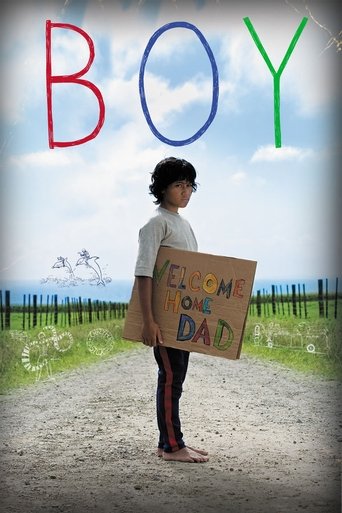
Boy
Boy, an 11-year-old child and devout Michael Jackson fan who lives on the east coast of New Zealand in 1984, gets a chance to know his absentee criminal father, who has returned to find a bag of money he buried years ago.
Dread
An East Coast community in Ruatōria, New Zealand attempts to live in autarchy according to the tenets of their movement. Bob Marley, a prophet of our electronic age, is the soundtrack to the everyday lives of these Māori who feel closer to their own roots by observing a blend of Afro-Carribean Rastafarianism and the Ringatū faith. Merata Mita's camera respectfully portrays this singular cultural dialogue. The outsider cultures of Jamaicans, Ethiopians and Māori have come together, vibrating to a common cosmic chord. They find an underground brotherhood, across continents and seas.
Dread
An East Coast community in Ruatōria, New Zealand attempts to live in autarchy according to the tenets of their movement. Bob Marley, a prophet of our electronic age, is the soundtrack to the everyday lives of these Māori who feel closer to their own roots by observing a blend of Afro-Carribean Rastafarianism and the Ringatū faith. Merata Mita's camera respectfully portrays this singular cultural dialogue. The outsider cultures of Jamaicans, Ethiopians and Māori have come together, vibrating to a common cosmic chord. They find an underground brotherhood, across continents and seas.
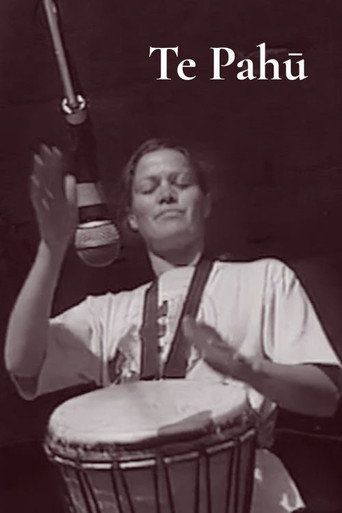
The Drum
With the resurgence of taonga pūoro, one musical instrument remains conspicuously absent from Māori music —pahū (drum). In this documentary Te Pahū, composer Hirini Melbourne (ONZM) and ethnologist Te Warena Taua trace the history of pahū, from musical accompaniment to being the manawa (heart) of communication and communities. Musicians and carvers bring to life the lost beat of pahū by creating a version using modern techniques. Pioneering Māori filmmaker Merata Mita (Patu!) directed Te Pahū, while Rawiri Paratene (Whale Rider) co-wrote and produced it.
The Drum
With the resurgence of taonga pūoro, one musical instrument remains conspicuously absent from Māori music —pahū (drum). In this documentary Te Pahū, composer Hirini Melbourne (ONZM) and ethnologist Te Warena Taua trace the history of pahū, from musical accompaniment to being the manawa (heart) of communication and communities. Musicians and carvers bring to life the lost beat of pahū by creating a version using modern techniques. Pioneering Māori filmmaker Merata Mita (Patu!) directed Te Pahū, while Rawiri Paratene (Whale Rider) co-wrote and produced it.
Gallery