Writing
No biography available.
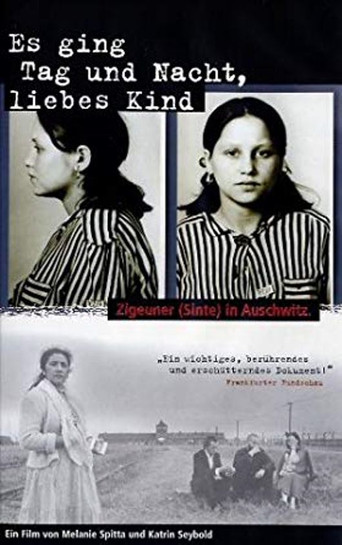
In the documentary, Melanie Spitta accompanies survivors and their children to Auschwitz. The film powerfully illustrates how the horrors of the concentration camps have shaped the survivors and their descendants across decades and generations—and why the victims’ trust in the Gadjé remains broken to this day.
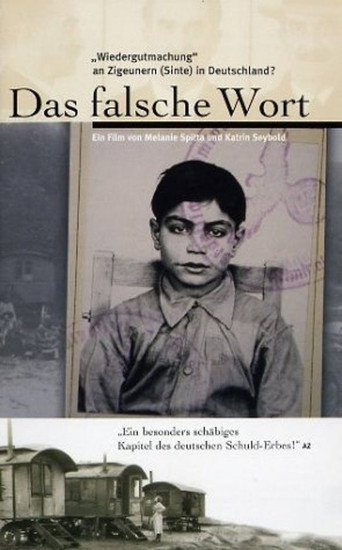
The child of survivors of the Sinti persecution by Nazis, Melanie Spitta confronts the truth about unpaid reparations as she exposes shocking evidence and issues a warning against believing perpetrators over victims.
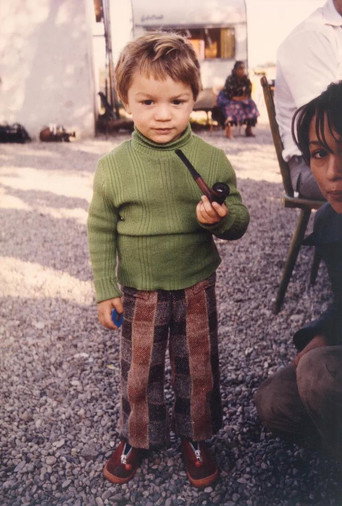
The nine-year-old Sinti girl Brigitta shows us her world. She lives with her family in a caravan site on the outskirts of a small Bavarian town. Everybody still speaks Romani and continues to live by the customs handed down. That means that the children take part in adult life and that the very highly respected parents describe how it used to be. In this community, all age groups live together naturally. For these Sinti, `gypsy' is an insult. At school they are taught there are two cultures, two languages and two realities: that of the Sinti and that of the Germans. While German is spoken at school, the only pupils are Sinti children. Brigitta animatedly describes the material deprivations, which are mollified by the life as `one big family'. Brigitta knows all too well where she belongs.