Mehdi Ahmadi Movies, TV Shows, and Filmography

Mehdi Ahmadi
Acting
Biography
Actor and occasional producer, Mehdi Ahmadi (مهدی احمدی) is best known for taking starring roles in films such as White Nights, in which he played a young university professor and The Green Fire.
Filmography Movies
Acting
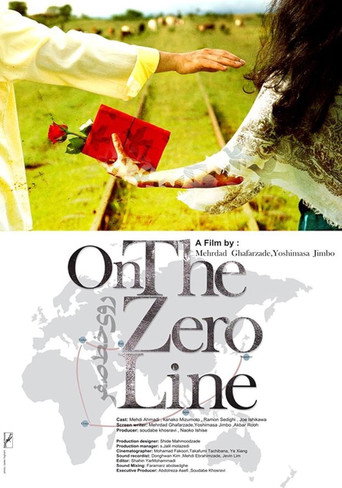
On the Zero Line
A poet who lost his words and a woman who miscarried her baby meet on the equator, and two emotions start to mingle at the point of latitude 0°.

Sohrab, A Journey
A different film about Sohrab Shahidsaless, the late Iranian filmmaker. In this lengthy documentary, video images and unseen shots from Sohrab Shahid Salate have been used.
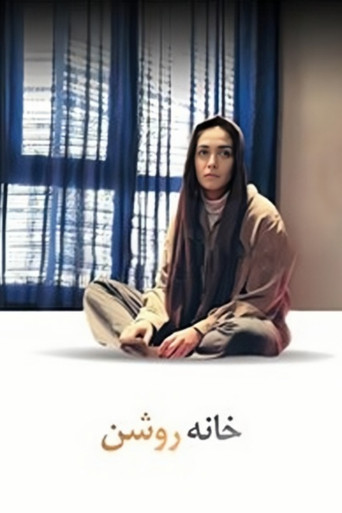
The Bright House
Sohrab returns to Iran after years abroad. Despite all the psychological pressures of his homecoming, he stays in a house in which he finds a young girl living in the shadows. After the death of her father and a failed romance, the girl (Arghavan) now lives with her mother. She has contracted a disease, which can only be cured by darkness and silence. When Sohrab sees her, she tries to bring her back to life. He sets out to film the daily lives of people but only in activities that inspire hope. It proves to be a difficult mission. Each filmed person faces the camera and asks her to come into the light, but Arghavan remains mired in her pain. She asks Sohrab to go film her hometown in western Iran where she last saw her father. There, he confides in her, facing the camera as he makes a confession.
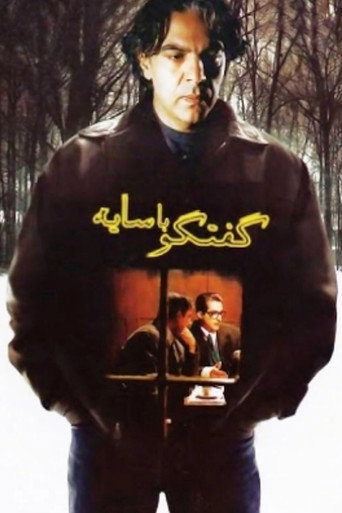
Talking with a Shadow
Documentary about the life and works of Sadegh Hedayat. It follows a teacher, a researcher, and a journalist as they discuss some of Hedayat's most famous works and their influences. The film intermixes the three conversing along with a narrated history of the author with images.
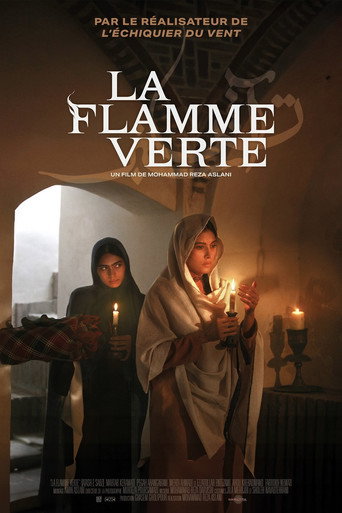
The Green Fire
Based on an ancient story Sang-e Sabor it's the story of a girl Nardaneh who one day hears a voice telling her that soon she will marry with a dead man. One day she enters a castle and in one of it's room finds a dead body with a book beside it. She begins to read the book and follows the instructions step by step.
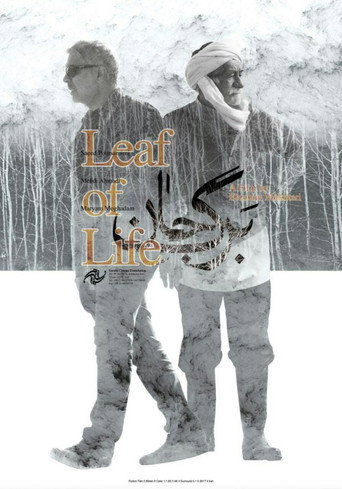
Leaf of Life
Human tales are reluctant to reach the point because when it comes to it, it's no longer worth it. So he changes the path of life to achieve the dream that he always sought to fulfill, but ...
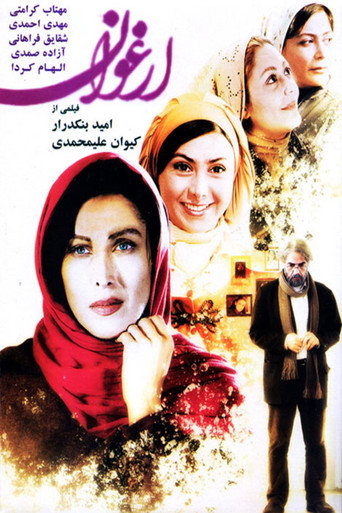
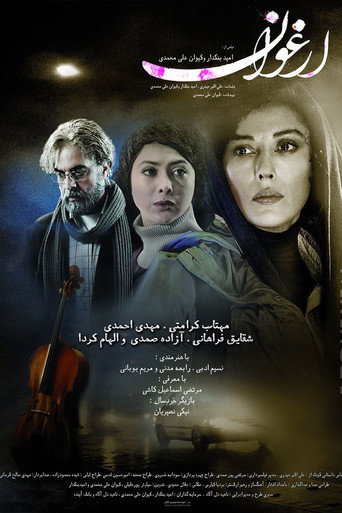
Arghavan
An accidental encounter between a man and a woman changes their future.
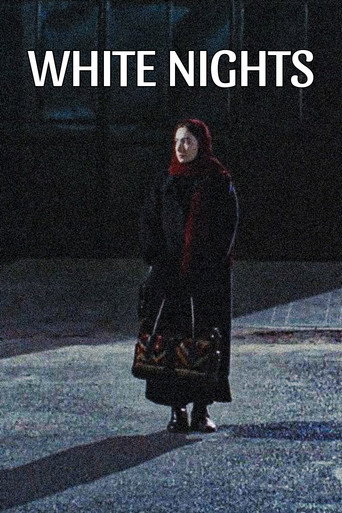
White Nights
A young university professor, who leads a quiet and reclusive life and fills his life with reading and teaching literature, meet a young girl who has altered the course of her life for the sake of a man she loves. She has promised to meet her beloved at a certain spot on four consecutive nights exactly one year after their last meeting. The young professor's encounter with the young and passionate girl during four nights brings about significant changes in both of their lives and beliefs. Now concepts like love, literature and expection have a new meaning for them.
Production
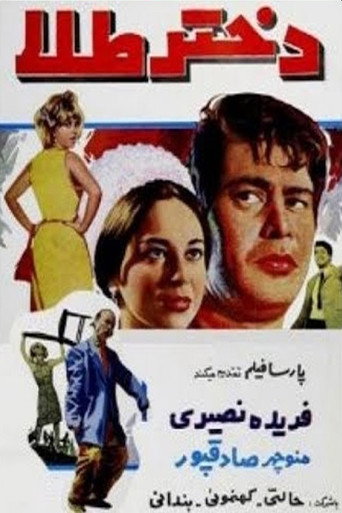
Dokhate-e tala
Homayoun Beyk's wife takes one of her twin children, Shabnam and Sholeh, away from her father in retaliation, and takes care of him herself. Shabnam grows up with her father and flame with her mother. As a young man, Shabnam was in charge of his father's finances, and once they went to Isfahan with Behrouz's lawyers, Shabnam was forced to return to Tehran for 24 hours due to his father's deteriorating condition, while he succeeded. Behrooz will not be notified. Here, Behrouz accidentally encounters the flame of Shabnam's twin sister, who is a singer, and thinks that he is Shabnam, unexpected events occur, and fate decides what happens to them ....
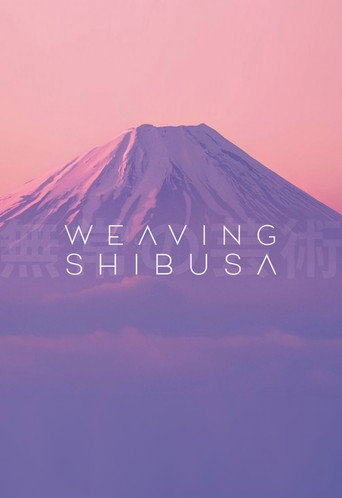
Weaving Shibusa
Weaving Shibusa is the story of Japanese craftsmanship and dedication, shown through their love and fascination of denim. The film gives unprecedented access to the mysterious and storied industry of Japanese denim, told by the only people who can; world-renowned vintage denim experts, the highly regarded "Osaka 5", responsible for Japan's denim revival, as well as passionate innovators who's unparalleled work has made "Japanese Denim" synonymous with the highest quality possible. What makes Japanese denim special is not only the materials, machinery, and techniques, but also the people and ideas behind the process. This film reveals the intense passion and insight behind Japanese denim, but also poses the question; what is the future of these garments that are so deeply rooted in the past?
Gallery