Maxim Gorky Movies, TV Shows, and Filmography
Maxim Gorky
Writing
Biography
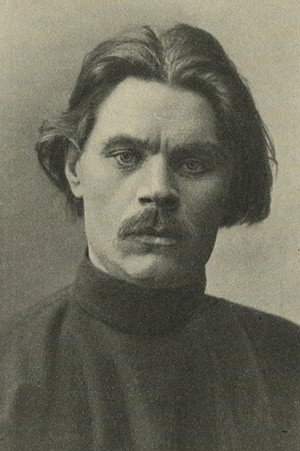
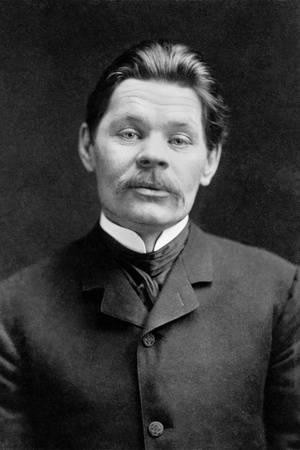
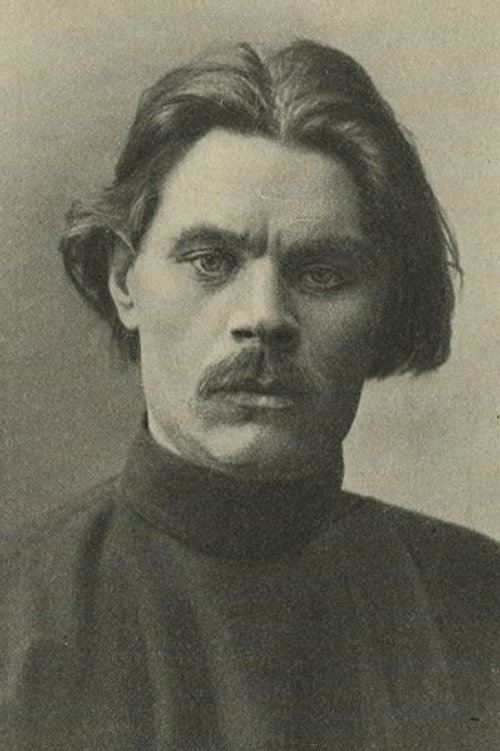
Alexei Maximovich Peshkov (1868–1936), popularly known as Maxim Gorky (Russian: Максим Горький), was a Russian writer and political activist. He was nominated five times for the Nobel Prize in Literature. Before his success as an author, he travelled widely across the Russian Empire changing jobs frequently, experiences which would later influence his writing. Gorky's most famous works are a short story collection 'Sketches and Stories' (1899), plays 'The Philistines' (1901), 'The Lower Depths' (1902) and 'Children of the Sun' (1905), poem 'The Song of the Stormy Petrel' (1901), autobiographical trilogy 'My Childhood', 'In the World', 'My Universities' (1913–1923), and novel 'Mother' (1906). Though Gorky himself judged some of these works as failures, most are now seen as masterpieces. Some of his less-known post-revolutionary works such as the cycles 'Fragments from My Diary' (1924) and 'Stories of 1922–1924' (1925), and novels 'The Artamonov Business' (1925) and 'The Life of Klim Samgin' (1925–1936), Gorky himself was more proud of; the latter is considered Gorky's masterpiece and sometimes being viewed by critics as a modernist work. Unlike his pre-revolutionary writings (known for their "anti-psychologism"), these differ with an ambivalent portrayal of the Russian Revolution and "unmodern interest to human psychology" (as noted by D. S. Mirsky).
Filmography Movies
Acting
The Magic Beam
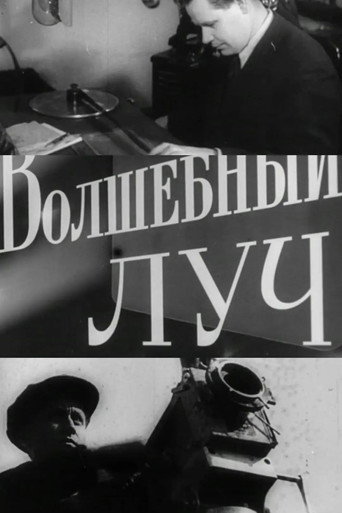
“The Magic Beam” is a film essay woven together from newsreels and documentary material from different decades, fragments of hundreds of non-fiction and fiction Soviet films of the 1910s-1960s.
Soviets on Parade
A Russian newsreel documenting the fifteenth anniversary of the Bolshevist revolution.
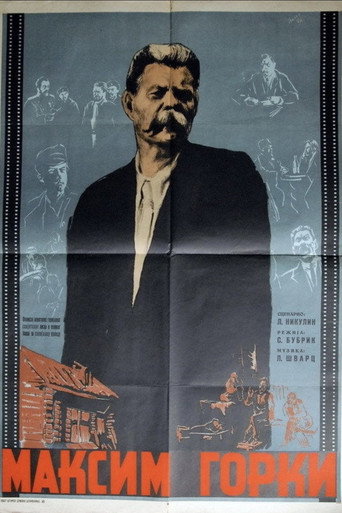
Maxim Gorky
Biographical documentary about Maxim Gorky.
Production
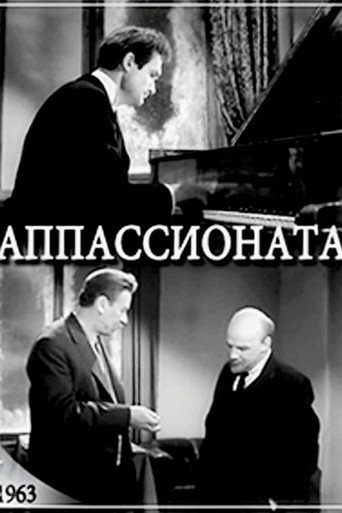
Appassionata
TV movie based on the essay by M. Gorky "VI Lenin". In the winter evening of 1920 VI Lenin (Boris Smirnov) met at the apartment of E.P.Peshkova with A.M.Gorky. In the "burzhuika" smoking raw wood. It's cold. And the two thinkers have a heartfelt conversation about the future of Russia. Lenin seems to continue his argument with H.G. Wells. He talks about the role of the artist in the life of society, about his place in the struggle for the future. Gorky is visited by pianist Isaiah Dobrovein. Lenin listens to his performance of Chopin, and then Beethoven's "Appassionata"; he is captivated by the power of Beethoven's genius. An automobile rushes through the night Moscow. Lenin is in the car. Beethoven's music is sounding. On the screen is the Kremlin. The banner of the revolution is splashing over the building of the Supreme Soviet of the USSR.
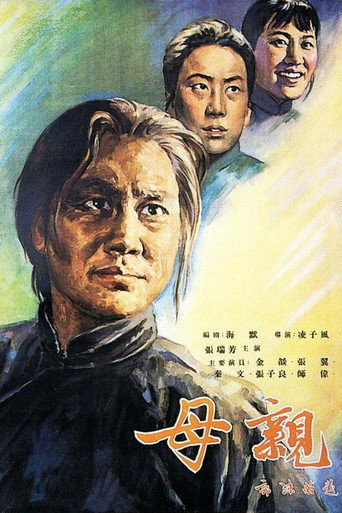
The Mother
Based on the novel "Mother" by Maxim Gorky, about the hardships of a peasant laborer.
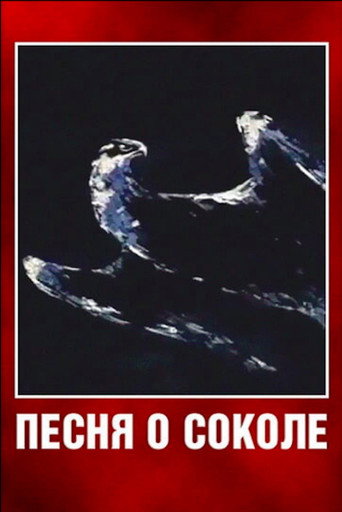
Song of a Falcon
A paint-on-glass animated film (one of the first of its kind) about a dying falcon and a stupid snake.
Forest
A poetic melodramatic documentary inspired by the death of Jan Palach. The footage from the funeral is accompanied by the words of Maxim Gorky's Old Woman Izergil (On the Flaming Danek's Heart), sung by Kühn's mixed choir, solos by Milada Sýkorová and Jiří Němeček. The apotheosis of a leader who sacrificed himself to save his people, warning of the cowardice of the crowd.
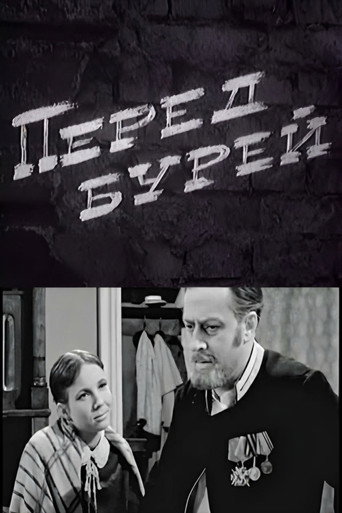
Before the Storm
The film takes place between two revolutions - 1905 and 1917. There is no agreement in the family of the Kolomiytsev brothers, bankrupt nobles. The elder brother Yakov is mortally ill. The youngest, Ivan, a gendarme colonel, is completely confused and does not know how to get out of the situation created in the family.
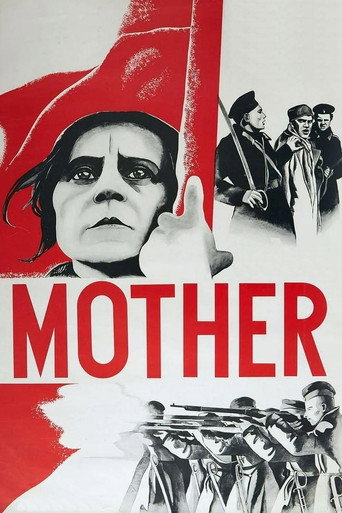
Mother
A Soviet woman is caught between her husband and son, who find themselves on opposing sides of the Russian Revolution.
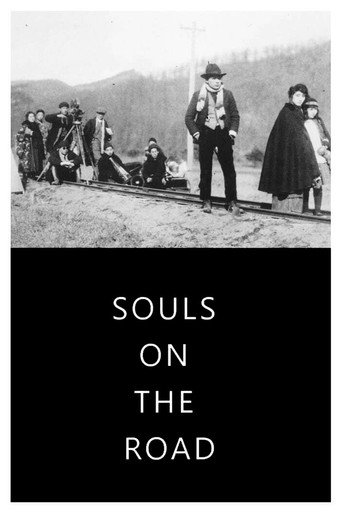
Souls on the Road
A small town boy dreams of being a famous fiddler; Meanwhile, two convicts escape from prison and hide in the woods.
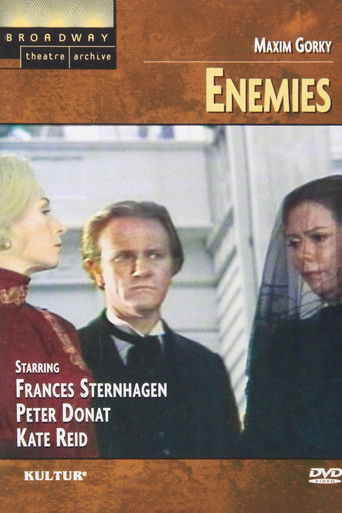
Enemies
In a sun-dappled garden in provincial Russia in 1905, some factory owners and their wives discuss the unrest among the workers. Rather than submit to a strike, they decide to close down the factory. When an owner is slain in a scuffle with a workman, the ensuing investigation uncovers the socialist fervor that is sweeping the countryside.
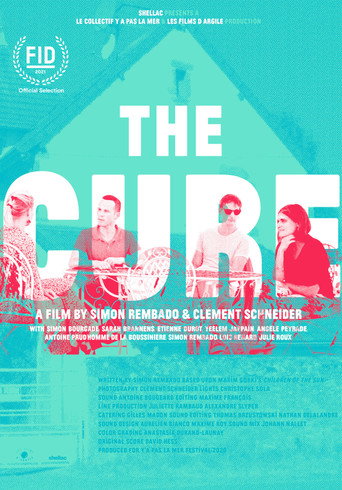
The Cure
Summertime. While a pandemic spreads overall, Paul, his wife Hélène and his little sister Lisa, isolate themselves in their countryside house. There, they meet old friends : Bruno and his sister Mélanie… Some of them love each other but say it wrongly ; some of them don’t even dare to say it ; some of them hate each other… What will strike them first? Disease or despair?
Gallery