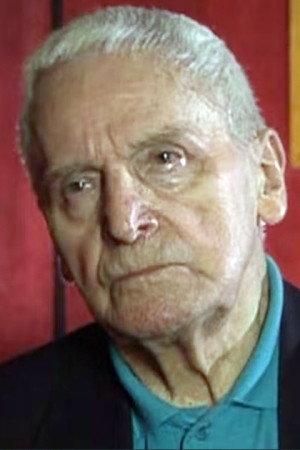
Max Douy Movies, TV Shows, and Filmography
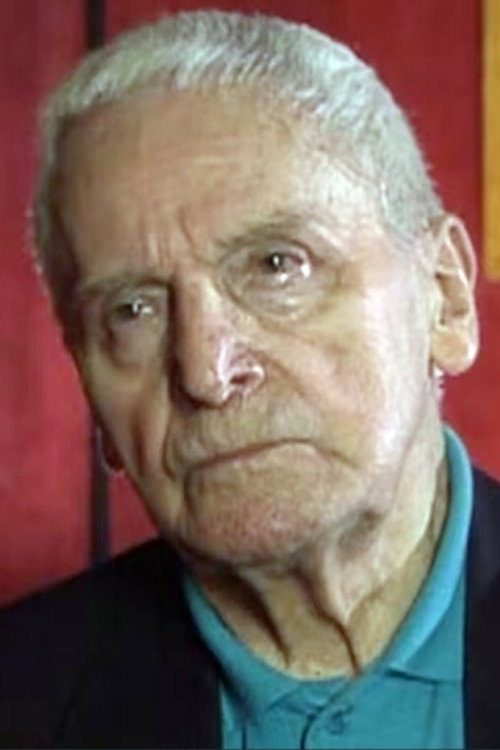
Max Douy
Art
Biography
No biography available.
Filmography Movies
Acting
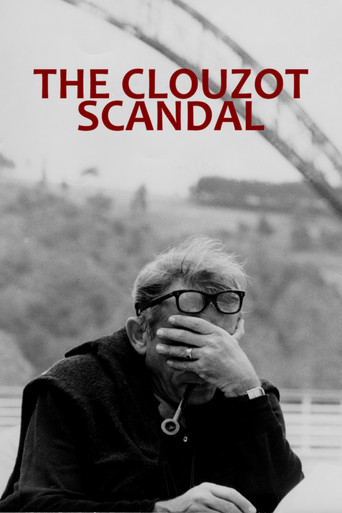
The Clouzot Scandal
Great filmmakers claim the artistic influence of French director Henri-Georges Clouzot (1907-1977), a master of suspense, with a unique vision of the world, who knew how to offer both great shows and subtle studies of characters. Beyond the myth of the tyrannical director, a contrasting portrait of a visionary, an agitator, an artist against the system.
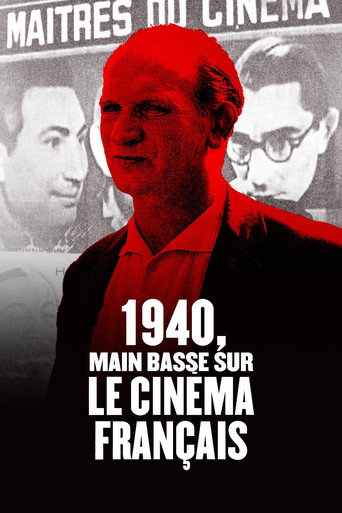
1940: Taking over French Cinema
Paris, 1940. German occupation forces create a new film production company, Continental, and put Alfred Greven – producer, cinephile, and opportunistic businessman – in charge. During the occupation, under Joseph Goebbels’s orders, Greven hires the best artists and technicians of French cinema to produce successful, highly entertaining films, which are also strategically devoid of propaganda. Simultaneously, he takes advantage of the confiscation of Jewish property to purchase film theaters, studios and laboratories, in order to control the whole production line. His goal: to create a European Hollywood. Among the thirty feature films thus produced under the auspices of Continental, several are, to this day, considered classics of French cinema.
Production

Moonraker
After Drax Industries' Moonraker space shuttle is hijacked, secret agent James Bond is assigned to investigate, traveling to California to meet the company's owner, the mysterious Hugo Drax. With the help of scientist Dr. Holly Goodhead, Bond soon uncovers Drax's nefarious plans for humanity, all the while fending off an old nemesis, Jaws, and venturing to Venice, Rio, the Amazon...and even outer space.
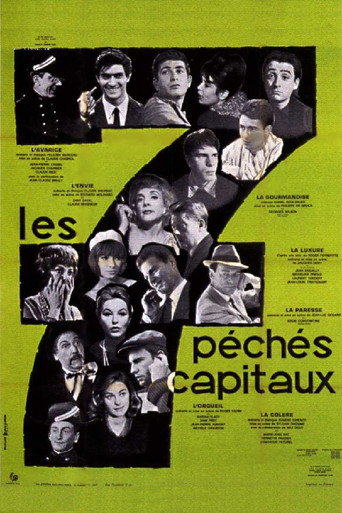
La Colère
Anger seizes a man who finds a fly in his Sunday soup. It spreads through his neighborhood, his city, his country and soon the whole world. (Segment of "Les sept péchés capitaux")
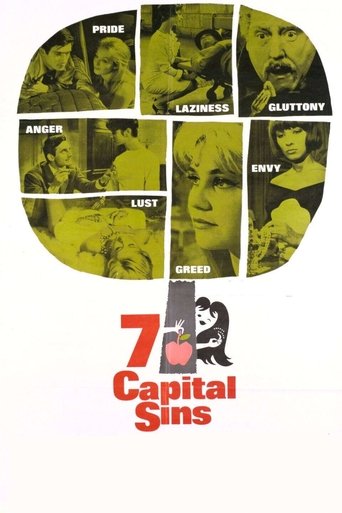
The Seven Deadly Sins
Seven directors each dramatize one of the seven deadly sins in a short film. In "Anger," a domestic argument over a fly in the Sunday soup escalates into nuclear war. In "Sloth," a movie star would rather pay someone to tie his shoe than bend over to do it himself, and he can't be bothered to accept a starlet's sexual favors. In "Gluttony," a peasant family on its way to the funeral of a relative who died from indigestion stops regularly to eat and drink en route, arriving in time to eat some more. In "Greed," a high-class prostitute refunds the price of a cadet's lottery ticket. In "Pride," an unfaithful wife finds reason to reform. And so on through lust and envy.
The Seven Deadly Sins
Seven directors each dramatize one of the seven deadly sins in a short film. In "Anger," a domestic argument over a fly in the Sunday soup escalates into nuclear war. In "Sloth," a movie star would rather pay someone to tie his shoe than bend over to do it himself, and he can't be bothered to accept a starlet's sexual favors. In "Gluttony," a peasant family on its way to the funeral of a relative who died from indigestion stops regularly to eat and drink en route, arriving in time to eat some more. In "Greed," a high-class prostitute refunds the price of a cadet's lottery ticket. In "Pride," an unfaithful wife finds reason to reform. And so on through lust and envy.
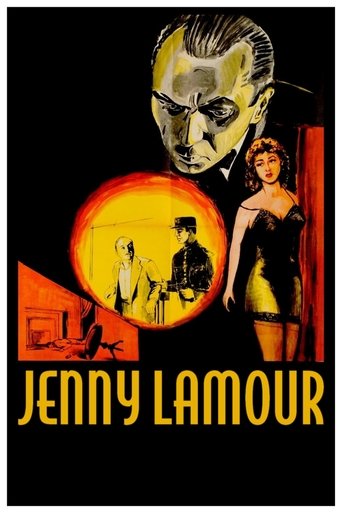
Jenny Lamour
Paris, France, December 1946. Jenny Lamour, an ambitious cabaret singer, and Maurice, her extremely jealous pianist husband, become involved in the thorough investigation of the murder of a shady businessman, led by Antoine, a peculiar and methodical police inspector.
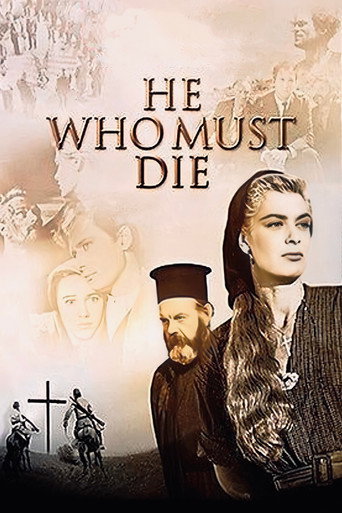
He Who Must Die
Greece, in the 1920s, is occupied by the Turks. The country is in turmoil with entire villages uprooted. The site of the movie is a Greek village that conducts a passion play each year. The leading citizens of the town, under the auspices of the Patriarch, choose those that will play the parts in the Passion. A stuttering shepherd is chosen to play Jesus. The town butcher (who wanted to be Jesus) is chosen as Judas. The town prostitute is chosen as Mary Magdalene. The rest of the disciples are also chosen. As the movie unfolds, the Passion Play becomes a reality. A group of villagers, uprooted by the war and impoverished, arrive at the village led by their priest. The wealthier citizens of the town want nothing with these people and manipulate a massacre. In the context of the 1920s, each of the characters plays out their biblical role in actuality.
He Who Must Die
Greece, in the 1920s, is occupied by the Turks. The country is in turmoil with entire villages uprooted. The site of the movie is a Greek village that conducts a passion play each year. The leading citizens of the town, under the auspices of the Patriarch, choose those that will play the parts in the Passion. A stuttering shepherd is chosen to play Jesus. The town butcher (who wanted to be Jesus) is chosen as Judas. The town prostitute is chosen as Mary Magdalene. The rest of the disciples are also chosen. As the movie unfolds, the Passion Play becomes a reality. A group of villagers, uprooted by the war and impoverished, arrive at the village led by their priest. The wealthier citizens of the town want nothing with these people and manipulate a massacre. In the context of the 1920s, each of the characters plays out their biblical role in actuality.
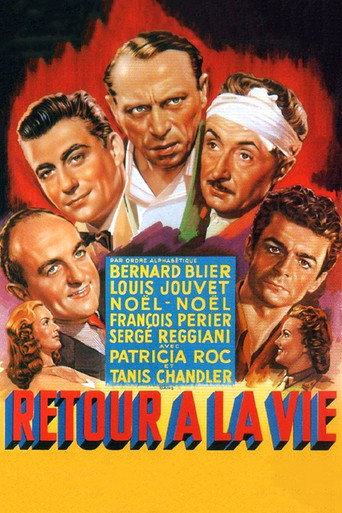
Return to Life
In France in 1946, the difficult return to civilian life of five deportees and prisoners of war after having lived through the hell of the Second World War.
Return to Life
In France in 1946, the difficult return to civilian life of five deportees and prisoners of war after having lived through the hell of the Second World War.
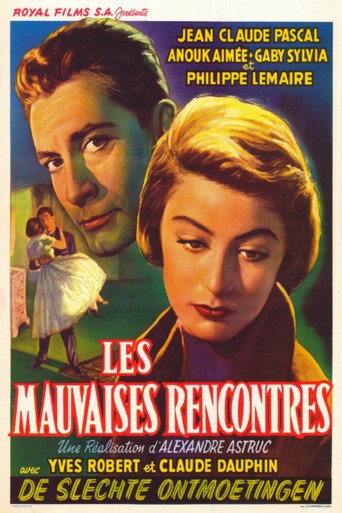
Bad Liaisons
Catherine Racan, a young journalist who always puts her career over her love life, is brought in by the police for questioning. They are looking for a doctor who illegally performs abortions and now they are interrogating all of his previous clients.
Gallery