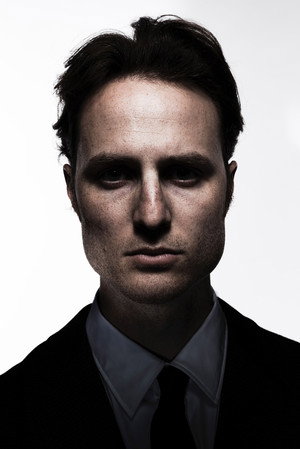
Max Devereaux Movies, TV Shows, and Filmography
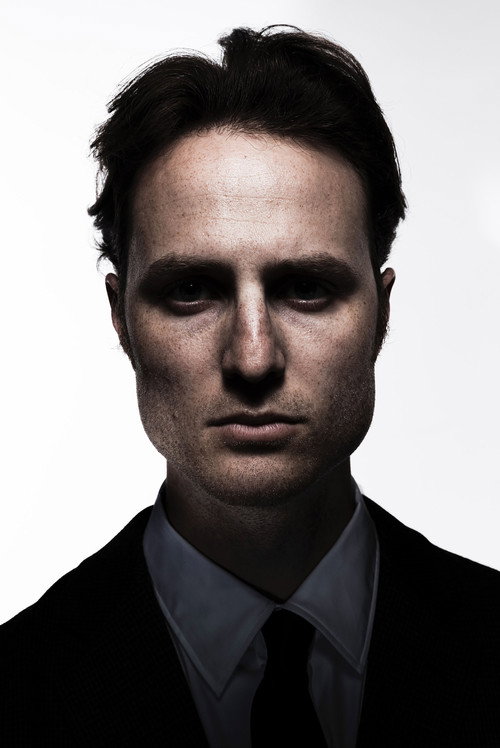
Max Devereaux
Directing
Biography
Max Devereaux (b. 1994) is an American artist, musician, and filmmaker whose work moves fluidly between sound, image, and performance. Raised in Milwaukee, Wisconsin, he was shaped by the city’s cultural fabric—its museums, concert halls, and historic movie theaters—which sparked an early fascination with storytelling across forms. Largely self-taught, he developed his practice outside academia through obsessive study and hands-on experimentation. Devereaux’s work is defined by its range and intensity. His output spans experimental improvisation, indie country, outsider film, abstract painting, ikebana flower arranging, and electroacoustic composition. Often these modes converge into hybrid, cross-disciplinary forms that resist easy categorization. Guided more by intuition and lo-fi aesthetics than by formal training, he has built a practice centered on invention and personal mythology. His filmmaking career has unfolded in distinct phases. As a teenager, he created stop-motion animations and music videos; in his late teens and early twenties, he turned to short narrative films. By the age of thirty, his focus had shifted decisively to experimental cinema and free improvisation, rejecting conventional storytelling in favor of accident, blur, and fracture. Parallel to his film work, Devereaux has released music with independent labels in Japan, Mexico, South Korea, Canada, the United States, Belgium, Poland, and the United Kingdom, positioning him within a wider international avant-garde community. His visual art has followed a similar trajectory: in 2024, he presented a solo exhibition at M.A.P. Gallery in Tokyo’s Koenji district, while his films have been screened at festivals and multimedia events in Japan and abroad. Now based between Southern California and Minneapolis, Devereaux continues to pursue a cross-media approach. His projects are less concerned with fixed outcomes than with creating spaces of perception and attention. In this way, his work participates in a larger experimental tradition while remaining singular in its voice, its poetics, and its restless search for new forms.
Filmography Movies
Acting
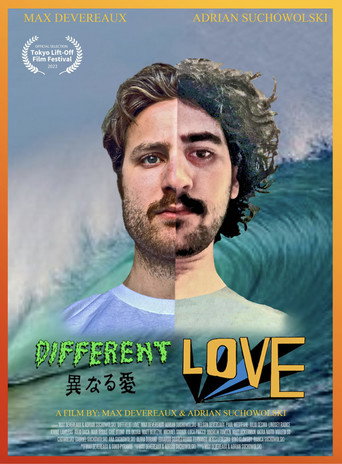
Different Love
Max Devereaux and Suko Pyramid documentary about the making of their first three albums together as a duo and the story of their inspiring, international collaboration. Produced entirely remotely, featuring never-before-seen photos, videos and audio as well as interviews with close collaborators from all over the world.
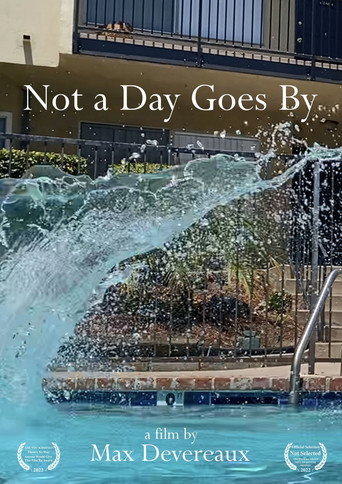
Not a Day Goes By
Shot in a series of long-takes over several days, the film follows a flower shop attendant (played by Devereaux, then actually employed at a small flower shop by the beach) in fragmented detail. The order of scenes resists chronology: moments recur, shift, or vanish, creating not the passage of a single day but the jumble of many, refracted into a meditation on routine and its quiet abstractions.
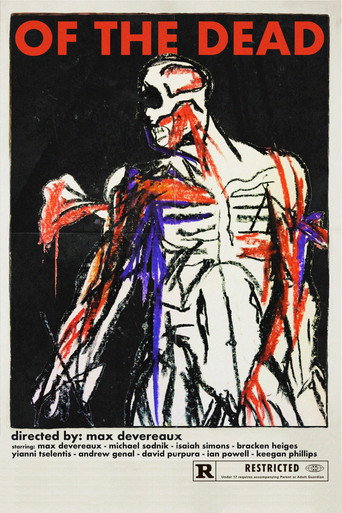
Of The Dead
Filmed during Max Devereaux’s senior year of high school with classmates as cast and crew, this black-and-white short tells the story of a man who wakes from a nightmare only to find the undead stalking the night. Originally released in 2013 with an unlicensed score, it was quickly taken down, only to be resurrected nearly a decade later as a silent film with a newly improvised free-jazz guitar soundtrack by Devereaux himself. Equal parts horror homage and DIY time capsule, the film transforms its youthful origins and troubled history into a fittingly undead return.
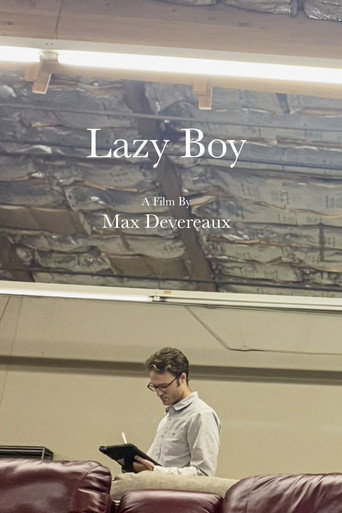
Lazy Boy
Lazy Boy unfolds in long, unhurried takes that mirror the stillness of its subject: a full-time furniture salesman in the South Bay of Los Angeles, working through the quiet despair of an economic recession. With customers scarce and sales impossible, the film lingers on stalled transactions and empty showrooms, transforming the monotony of labor into a portrait of endurance.
Production
Different Love
Max Devereaux and Suko Pyramid documentary about the making of their first three albums together as a duo and the story of their inspiring, international collaboration. Produced entirely remotely, featuring never-before-seen photos, videos and audio as well as interviews with close collaborators from all over the world.
Not a Day Goes By
Shot in a series of long-takes over several days, the film follows a flower shop attendant (played by Devereaux, then actually employed at a small flower shop by the beach) in fragmented detail. The order of scenes resists chronology: moments recur, shift, or vanish, creating not the passage of a single day but the jumble of many, refracted into a meditation on routine and its quiet abstractions.
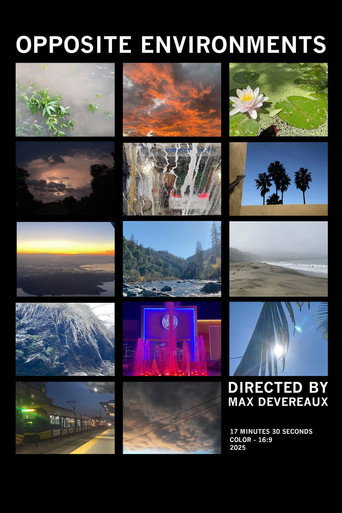
Opposite Environments
Filmed over five years across varied sites, Devereaux gives quiet attention to the shifting sensations of place. From rain and snow to beaches, mountains, and city streets, the film traces environments in contrast: rural and urban, water and land, summer and winter. These images, held in long takes, resist narrative flow, instead assembling a meditation on how landscapes provoke moods, memories, and ideas.
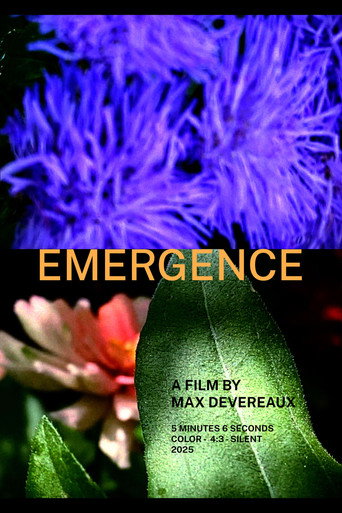
Emergence
Made in response to Brakhage’s The Act of Seeing with One’s Own Eyes, Devereaux turns his camera on the gardens of Loring Park in Minneapolis, attempting with reckless abandon to capture every flower in sight. The film emerges as an impressionistic study of color and form—fragments slipping out of frame, dissolving into blur, or flaring into pure surface. These fleeting images converge into unpredictable patterns of sensation and meaning.
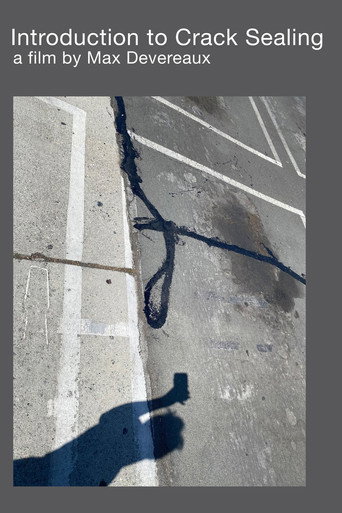
Introduction to Crack Sealing
Filmed in the parking lot of the Torrance Public Library shortly after its surface was repaired, Introduction to Crack Sealing traces the calligraphic gestures left by flexible rubberized asphalt. Devereaux’s camera follows the wavering lines, skipping from one to another, turning the utilitarian marks of maintenance into strokes of abstract drawing. Silent and pared down, the film reframes the parking lot as a field of accidental composition, where repair becomes inscription and the act of seeing becomes a study of gesture itself.
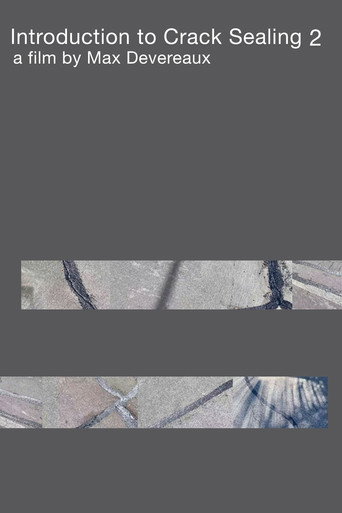
Introduction to Crack Sealing 2
Filmed in the same Torrance Public Library parking lot, Introduction to Crack Sealing 2 reworks the material of the first film into a sharper, more fractured arrangement. Where the original moved fluidly along the wavering asphalt lines, this version interrupts and jolts—images are thrown at the viewer in abrupt succession rather than unfolding in smooth sequence. At irregular moments the progression halts, pausing briefly to give the eye a fleeting chance to study a composition before the next cut arrives. Silent and stripped down, the film turns the repaired surface into a volatile field of inscription, where repair becomes staccato mark-making and perception itself is fractured into sudden bursts of line and form.
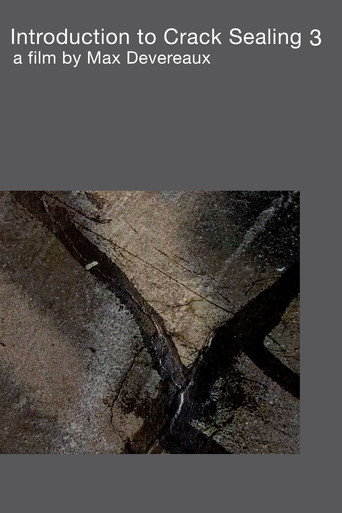
Introduction to Crack Sealing 3
Drawn again from footage shot in the Torrance Public Library parking lot, Introduction to Crack Sealing 3 remixes material from the first two films into a new visual texture. Where the earlier works traced and fractured the asphalt lines, this version overlays them through double exposures that randomly overlap and fade in and out. The result is a shifting, layered surface in which gestures collide, blur, and dissolve, creating a cracked field of inscription.
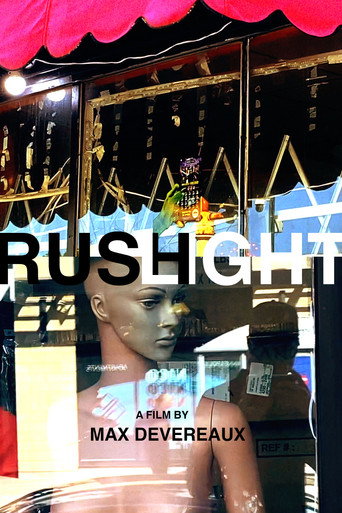
Rush Light
Shot in downtown Minneapolis, Rush Light assembles a rapid montage of fleeting street compositions. Through quick cuts and sudden shifts, Devereaux creates a collage of ready-made visual moments—buildings, signs, shadows, and chance alignments glimpsed in passing. The film operates as both a study of three-dimensional space and a meditation on the eye’s ability to seize upon images in a split second. Color, light, and shadow flicker across the frame, transforming the city into a shifting field of accidental design.
Hypnic Jerk
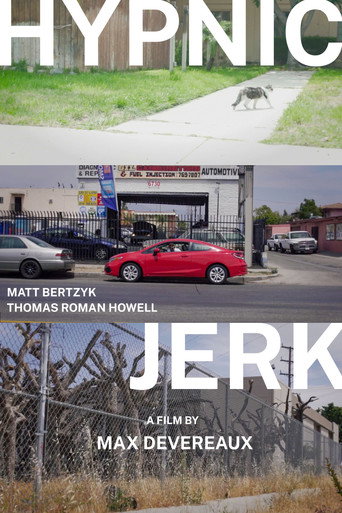
Hypnic Jerk unfolds as a dreamlike tale of a man who buys a banana from a street vendor and is drawn into a strange, shifting journey. Starring Thomas Roman Howell and Matt Bertzyk, the film moves between the everyday and the surreal, with quiet performances that bring depth and nuance. Through oblique gestures and subtle shifts in tone, Devereaux shapes a disorienting narrative that hovers between waking and sleep, humor and unease.
MD+IA=?
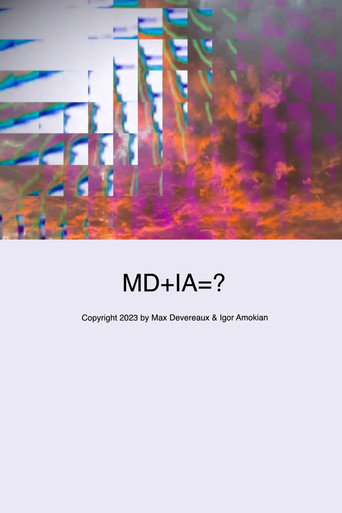
Co-directed by Max Devereaux and Igor Amokian, MD+IA=? is a sonic and visual collage that fuses circuit-bent electronics, broken tape loops, glitching drum machines, and free-improvised guitar. Amokian’s footage of modified CRT televisions generating unruly abstractions is layered with Devereaux’s processed iPhone videos, altered through datamoshing and glitch-editing apps. The result is a vivid collision of sound and image—a colorful flux of patterns and distortions where technology’s failures become raw material for improvisation.
Gallery