Maurice Ronet Movies, TV Shows, and Filmography
Maurice Ronet
Acting
Biography
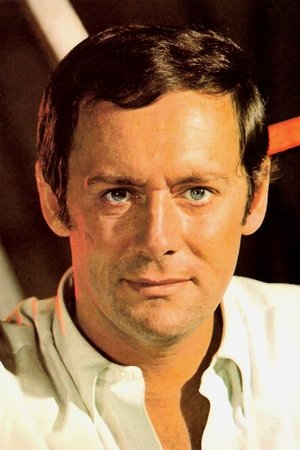
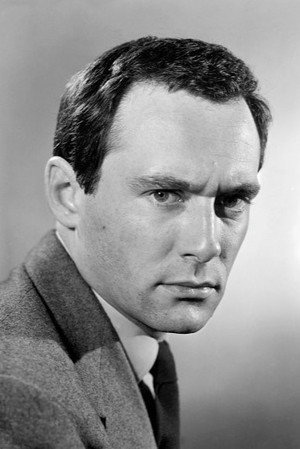
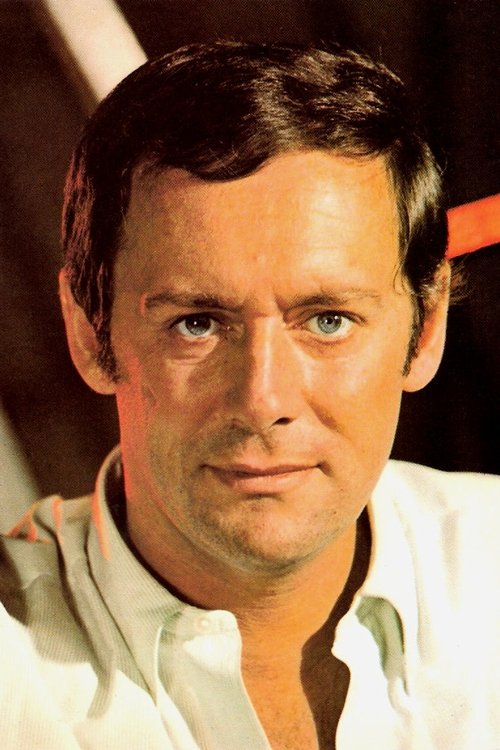
Maurice Ronet (13 April 1927 – 14 March 1983) was a French film actor, director, and writer. Maurice Ronet was born Maurice Julien Marie Robinet in Nice, Alpes Maritimes. He was the only child of professional stage actors Émile Robinet and Gilberte Dubreuil. He made his stage debut at the age of 14 alongside his parents in Sacha Guitry's Deux couverts in Lausanne. After attending the Parisian acting school Centre du Spectacle de la Rue-Blanche, he entered the Paris Conservatoire in 1944, where Jean-Louis Barrault was one of his mentors. When he made his film debut at 22 in Jacques Becker's Rendez-vous de juillet (1949) in a role that was written specifically for him by Becker, he had little interest in pursuing an acting career. After completing the film, he married Maria Pacôme (a French stage actress and playwright), and they departed to Moustiers-Sainte-Marie in Provence, where he tried his hand at ceramics. After completing his military service, he returned to Paris in the early 1950s where he took courses in philosophy and physics, and pursued his passion for literature, music (piano and organ), film and painting. His artwork, part of the peinture non figurative movement, was exhibited with friends Jean Dubuffet and Georges Mathieu. He also acted occasionally in small roles in the films of French directors like Yves Ciampi and René Wheeler, with ambitions of becoming a filmmaker himself. Gradually, however, he came to discover a freedom in acting and a creative satisfaction that provided a synthesis of all his interests. Maurice Ronet became one of European cinema's more prolific actors. Between 1955 and 1975 he appeared in over 60 films. He often portrayed characters who were in conflict with themselves or society. He first garnered acclaim at the 1953 Cannes Film Festival for a supporting role in Jean Dreville's Endless Horizons (Horizons sans fin) and over the next few years as the romantic lead in André Michel's La sorcière (The Blonde Witch/The Sorceress, 1956) and in Jules Dassin's He Who Must Die (Celui qui doit mourir, 1957). It was at the presentation of "La Sorcière" at Cannes where he met a creative and an intellectual counterpart in Louis Malle. Two years later, he made his international box-office breakthrough as Julien Tavernier in Malle's first feature film Elevator to the Gallows (Ascenseur pour l'échafaud 1958), which features Jeanne Moreau. He originated the role of Philippe Greenleaf in Purple Noon (Plein soleil, 1960), René Clément's adaptation of The Talented Mr. Ripley. ... Source: Article "Maurice Ronet" from Wikipedia in English, licensed under CC-BY-SA.
Filmography Movies
Acting
Elevator to the Gallows
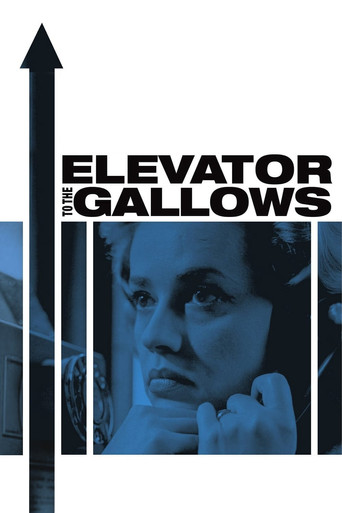
A self-assured businessman murders his employer, husband of his mistress, which unintentionally provokes an ill-fated chain of events.
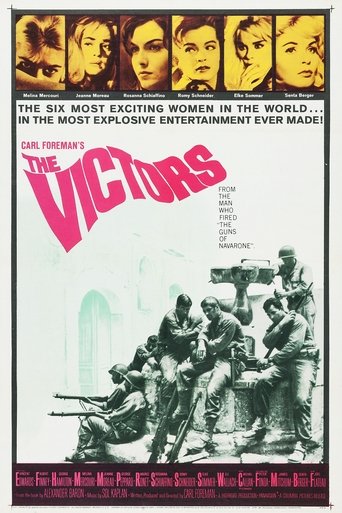
The Victors
Intercutting dramatic vignettes with newsreel footage, the story follows the characters from an infantry squad as they make their way from Sicily to Germany during the end of World War II.
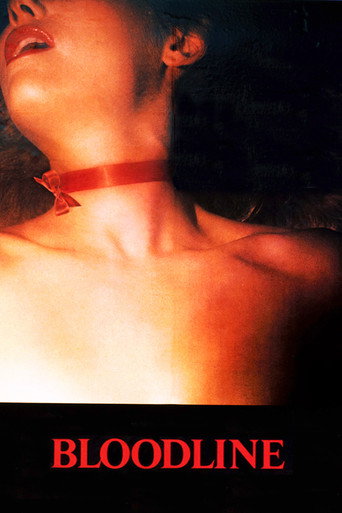
Bloodline
A pampered heiress inherits her father's pharmaceutical empire when he dies in a suspicious accident, and soon finds herself surrounded by ruthless board members and grasping family members who will seemingly stop at nothing to profit.
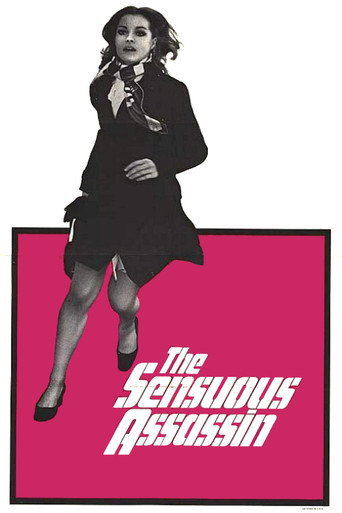
The Sensuous Assassin
Marina and her boyfriend have an argument while on a trip in France. While driving with the car among the cliffs, he starts speeding and the car falls into the sea. Marina can jump out of the car, but her boyfriend seems to be drowned. She gets to know his brother and he falls in love with her. But why does she always feel watched? What reasons are behind her strange behaviour anyway? Did she really murder her boyfriend? But is he dead anyway?
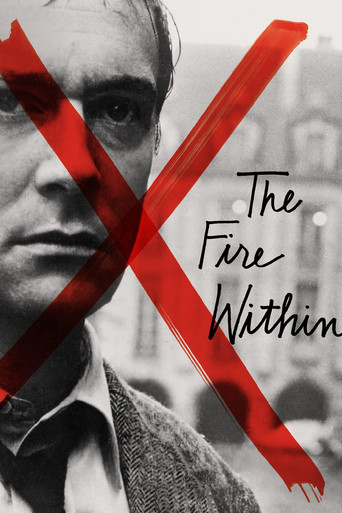
The Fire Within
Depressed Alain Leroy leaves the clinic where he was detoxified. He meets friends, acquaintances and women, trying to find a reason to continue living.
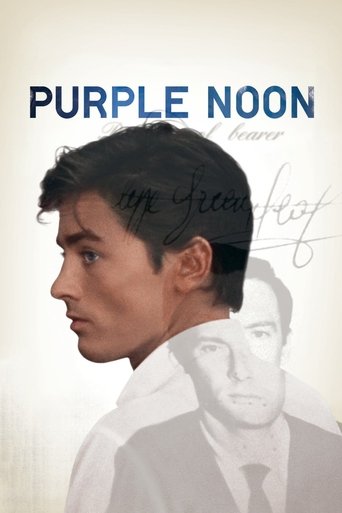
Purple Noon
Tom Ripley is a talented mimic, moocher, forger and all-around criminal improviser; but there's more to Tom Ripley than even he can guess.
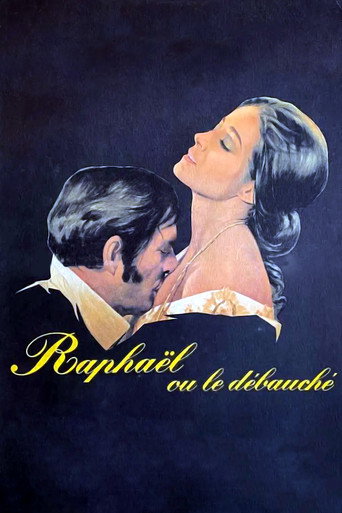
Raphael or the Debauched One
In 1830s France, a virtuous widow falls for a self-destructive debauchee obsessed with death. Initial resistance gives way to a desperate and cynical romance.
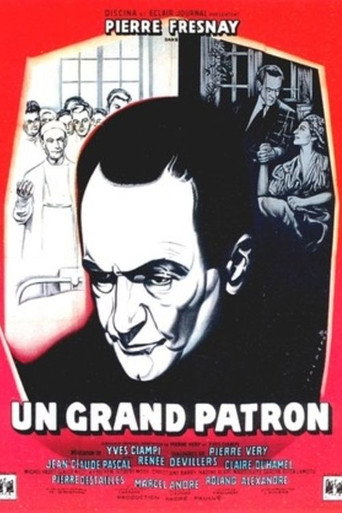
Perfectionist
Professor Louis Delage is a kidney transplant specialist. He is so good in his field that his peers nickname him the "great man". But one day, one of his patients die during surgery and Delage starts doubting. Is he actually such a great man? To fight desperation he decides to take in the deceased child while devoting more time to Florence, his hitherto neglected wife.

The Swimming Pool
Set in a magnificent villa near a sun-drenched St. Tropez, lovers Jean-Paul and Marianne are spending a happy, lazy summer holiday. Their only concern is to gratify their mutual passion - until the day when Marianne invites her former lover and his beautiful teenage daughter to spend a few days with them. From the first moment, a certain uneasiness and tension begin to develop between the four, which soon escalates in a dangerous love-game.
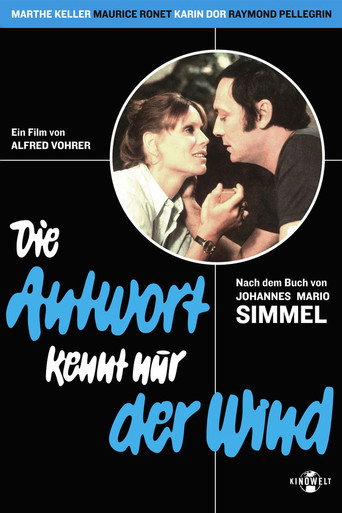
Only the Wind Knows the Answer
The yacht of millionaire Hellmann explodes in the Mediterranean Sea, with him and 8 men crew on board. Insurance agent Lucas investigates at the Cote D'Azur, because there's the suspicion that it could have been suicide. He finds out that Hellmann's villa was monitored, the tapes also contain information about the explosion. He uses them for blackmail.
Production
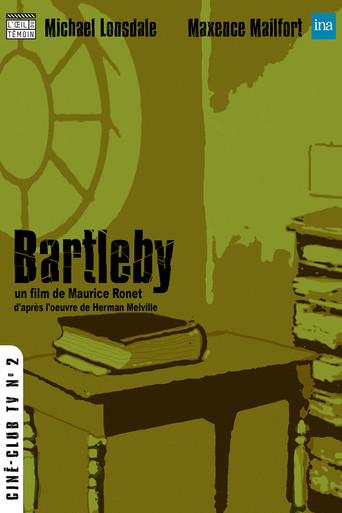
Bartleby
Adaptation of the classic Herman Melville short story. The narrator, an elderly Manhattan lawyer with a very comfortable business helping wealthy men deal with mortgages, deeds, and bonds, relates the story of the strangest man he has ever known.
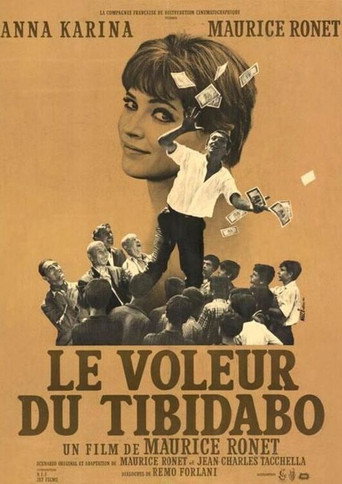
The Thief of Tibadabo
In this lighthearted crime comedy, Nicolas is a Barcelona ice cream vendor who inadvertently helps a friend who has just committed a robbery. He is chased by several shady underworld characters trying to get their hands on the stolen loot.
The Thief of Tibadabo
In this lighthearted crime comedy, Nicolas is a Barcelona ice cream vendor who inadvertently helps a friend who has just committed a robbery. He is chased by several shady underworld characters trying to get their hands on the stolen loot.
Gallery