Sound
No biography available.
Bolero is played every 15 minutes in the world. This film tries to answer how this famous melody inspired and influenced the world pop-culture? It explores the complexity and the richness of a piece so simple in appearance: the emotions it triggers, vertigo it creates, the words it inspires.
Yesterday’s Newsreel offers the viewer “television highlights of the news of yesteryear” by providing vintage clips of famous people and events from the first half of the 20th century.
In 2008, the Opéra national de Paris honored the legendary Jerome Robbins. Though the general public may remember him primarily for his staging and choreography of Bernstein’s West Side Story, Robbins was also a brilliant ballet choreographer. In this production, we discover three of his works of classical ballet—En sol, In the Night, and The Concert—paired with Benjamin Millepied’s Triade.
“Bolero” by Ravell is expressed in the mouvements of surrealistic paintings and in the rhythm of the film. This short animation won Golden Berlin Bear for Best Short Film.
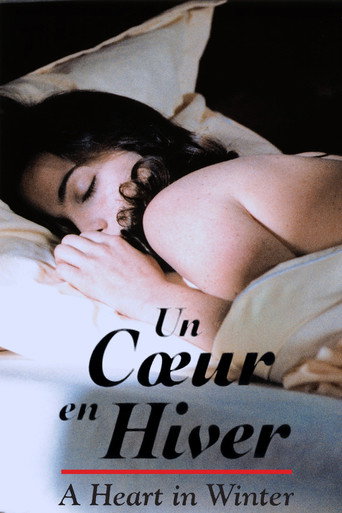
Beautiful violin virtuoso Camille has two obsessions: the music of Ravel, and a friend of her husband's who crafts violins. But his heart seems to be as cold as her playing is passionate.
Artists and poets meet in a dreamlike space between walks and performances.
This short film adapted from the ballet Daphnis and Chloe. The pirates hunt Chloe, capture her, and rape her. Bryaxis, their leader, forces her to dance for him. Syrinx comes to free her... forever.
Experimental short film
An enterprising producer believes he has hit upon a winning concept: a program of original animated shorts set to classical music. Undeterred by warnings that this has already been done by an American named 'Prisney,' he rallies an orchestra of geriatric women, a bullish conductor, and an animator that he keeps locked in the dungeon. What could go wrong?
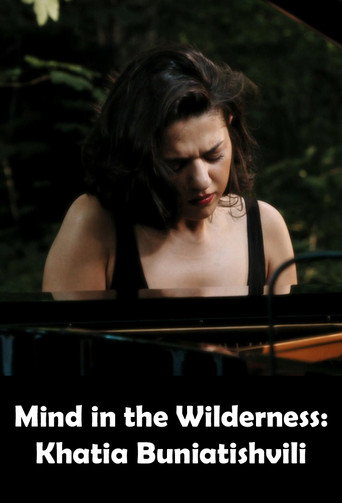
Framed by the tranquil beauty of a forest near Berlin, Khatia Buniatishvili gives a recital of pianistic masterpieces dappled by the shade of verdant ferns and leafy canopies. As a special treat, her older sister Gvantsa joins her for four-handed works by Dvořák, Brahms, and Piazzolla. Described as a “force of nature”, Georgian pianist Khatia Buniatishvili takes her art into the wilderness with this concert. On a wooden stage, she sits in an earthy concert hall performing works of particular meaning for her, and beloved by audiences the world over. From Debussy’s Clair de Lune to Ravel’s La Valse, from Stravinsky’s Petrushka to Piazzolla’s Improvisations on Libertango, Buniatishvili demonstrates her wide palette of expression and lyric approach to her instrument. Interspersed with the music are intimate interviews of the artist herself in which she discusses on her musical upbringing, her career, and her impressions of the pieces she has chosen to include in the program.
Alice Sara Ott and Francesco Tristano join forces for this energetic and joyful collaboration on the stage of the international Heidelberger Frühling (Heidelberg Spring) festival, held annually since 1997 in March and April in the romantic German city. The program, entirely designed by good friends Ott and Tristano, is entitled "Scandal" in reference to the public outcry provoked by Stravinsky's Rite of Spring—indignantly called a "massacre" upon its 1913 premiere at Paris's Théâtre des Champs Élysées.