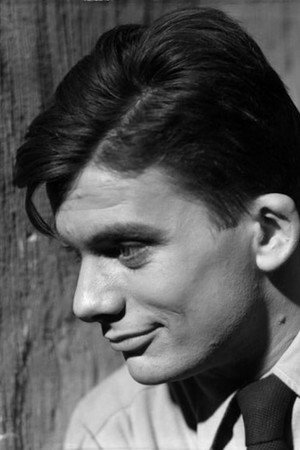
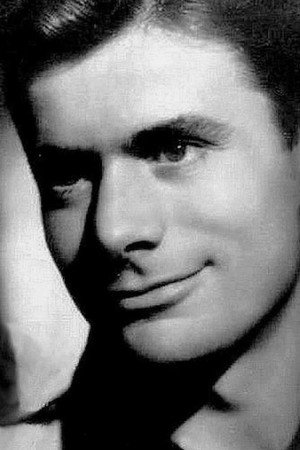
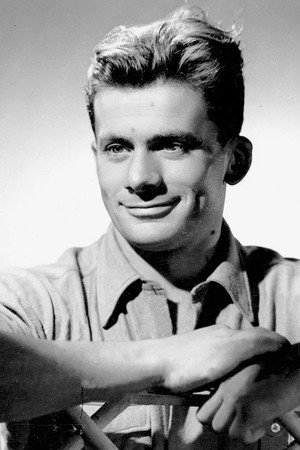
Maurice Baquet Movies, TV Shows, and Filmography
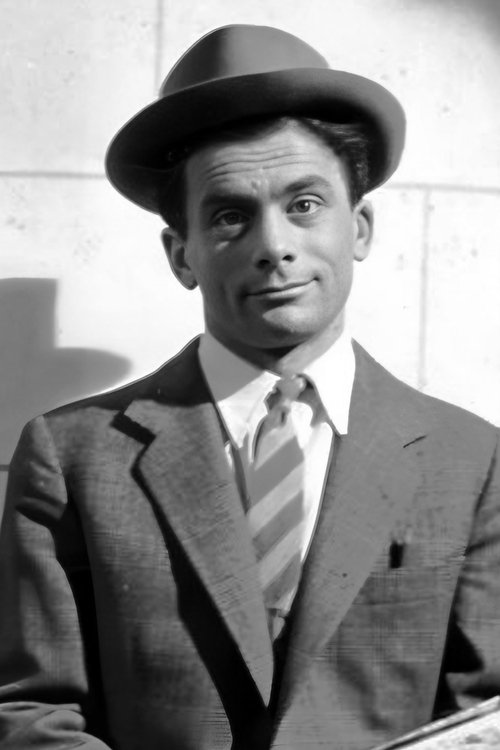
Maurice Baquet
Acting
Biography
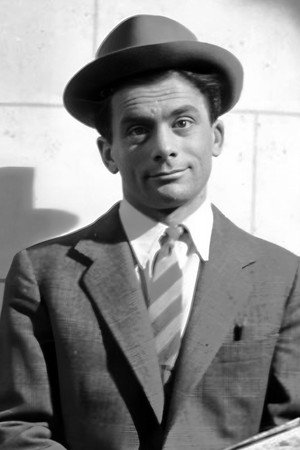
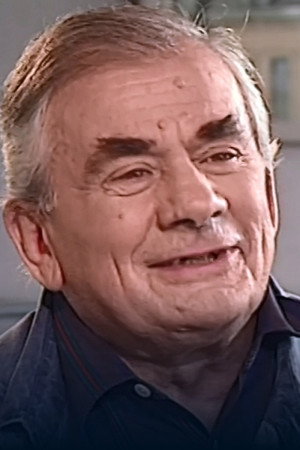
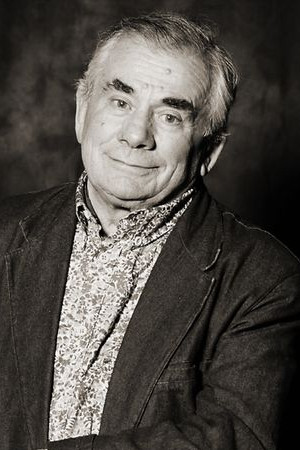
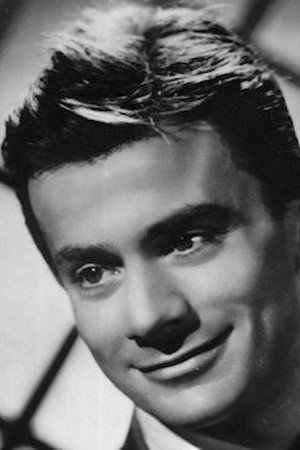
Maurice Baquet is a cellist, actor, sportsman and French entertainer, born May 26, 1911 in Villefranche-sur-Saône and died July 8, 2005 in Noisy-le-Grand. Maurice Baquet was married twice: with Jacqueline Figus (1920-2011) from October 31, 1944 to June 20, 1959, with whom they had a daughter, Sophie, and with Maria Yakimova from February 20, 1964 until her death. The couple had four children: Anne, Gregori. All of them, as well as Sophie, born from her first marriage, are actors and singers — Stéphane, light designer and Dimitri, show producer. ... A native of Beaujolais, he took cello lessons at the Lyon conservatory and then those in Paris where he was in the same class as Henri Betti, Paul Bonneau, Léo Chauliac, Henri Dutilleux, Louiguy, Pierre Spiers and Raymond Trouard and where he won first prize. This did not prevent him from failing the entrance examination for the orchestra of the Paris Opera, which motivated him to give up a classical career. However, he does not leave his cello behind. On the contrary, the instrument accompanies him throughout his life and we remember the wink that Joseph Losey allowed him during a short but moving sequence in Monsieur Klein. In the early 1930s, he rubbed shoulders with Pierre and Jacques Prévert, Roger Blin and joined the famous October Group, an agitprop group, closely linked to the French Communist Party. He set up his career as an actor there and devoted himself to beautiful texts, in particular the poems of Aragon and Paul Éluard. In 1935, he made his first feature film under the direction of Marc Allégret, Les Beaux Jours. A filmography of more than 80 titles follows. His head as a resourceful and facetious kid also earned him the role of Bibi Fricotin, then that of Ribouldingue in two films by Marcel Aboulker. At the theater, he plays in the operettas Andalousie and Gipsy by Francis Lopez. He also performed at the cabaret, sometimes accompanied on tap dance by Jacqueline Figus, his wife since 1944. He also participated in ski mountaineering competitions, as well as more humorous performances, such as his ski descent from the stairs of the Butte Montmartre in 1946. In the same vein, he also skied down the stairs from the Maison de la Radio, following a bet. In 1947, he presented with the whimsical Saint-Granier a bicycle-ski allowing to go down the slopes. Friend of Roger Frison-Roche, we find him in the credits of Premier de cordée (1944). In 1955, he co-directed Stars and Tempests with Gaston Rébuffat and Georges Tairraz, which won the Grand Prix at the Trente Festival. On July 13, 1956, he made the first ascent of the south-east face of the Aiguille du Midi in Chamonix with Gaston Rébuffat, sequences of which can be seen in Entre terre et ciel. He was also a friend of Robert Doisneau, who photographed him extensively6 and with whom he produced a work entitled Ballade pour violoncelle et chambre noire, which testifies to their friendship. He died at the age of 94 and is buried in the cemetery of Beauregard (Ain).
Filmography Movies
Acting
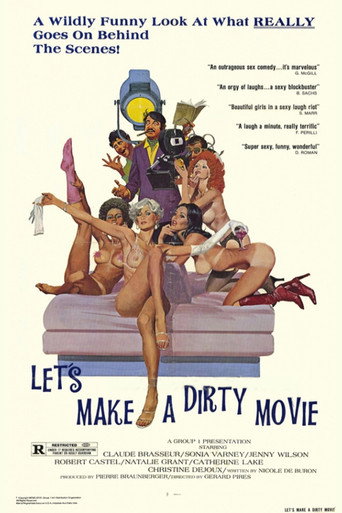
Let's Make a Dirty Movie
A bumbling film crew attempts to make a porno movie.
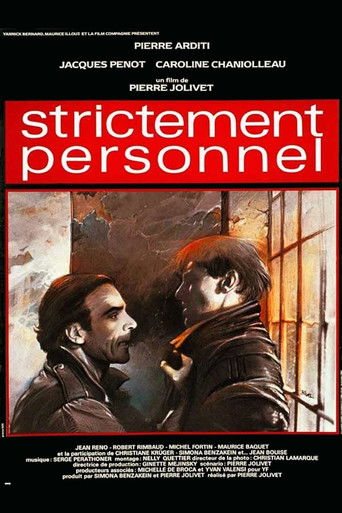
Strictement personnel
The crimes and tragedies that tear apart one family seem overblown in the telling, yet this psychological drama about the miseries of one French policeman is compelling throughout. Jean (Pierre Arditi) is a cop and also a failed novelist who was abandoned by his father, brother, and sister after his mother died. The trio move to Paris where they set up an art scam that nets them considerable cash -- something Jean begins to figure out when he joins them for a family reunion. Little by little, he learns that his father is an expert forger, his stepmother's art gallery seems to be involved in the scam, his brother is a derelict and into drugs, his stepmother is a hooker in addition to all of this, and his sister runs an exercise gym for keeping prostitutes in shape. Things get worse -- just when everything seems bad enough, the stepmother is murdered and it is up to Jean to find the killer.

The Lower Depths
Inhabitants of a flophouse struggle to survive under the harsh treatment imposed by the landlord, Kostyleva. One resident, young thief Wasska Pepel, ends his affair with the landlord's wife, Vassilissa, and takes up with her sister, Natacha. Pepel also befriends the baron, a former nobleman fallen on hard times, but Pepel's attempts at happiness are complicated when he's accused of murder by a spiteful Vassilissa.
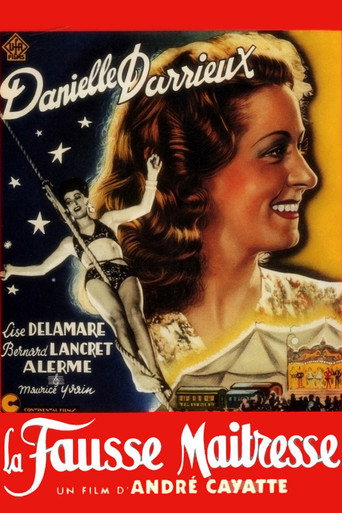
Twisted Mistress
Guy Carbonnel, a rich industrialist, has more eyes for rugby than for his wife Hélène. René Rivals, his long-time pal, takes advantage of it to court her but Guy is becoming suspicious so René has to find a way to deflect his friend's suspicion. He finally has an idea: he asks Lilian, a circus acrobat, to pose as his mistress. Lilian accepts and they embark on a series of eventful moments.
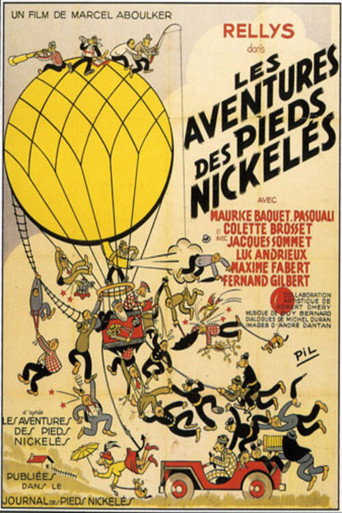
Les Aventures des Pieds-Nickelés
Sherlock Coco, famous detective, tries to thwart the machiavellian plans of the trio of shock. Croquignol, Ribouldingue and Filochard must be extra vigilant, but the profit motive is too strong. As a corollary, the famous pink diamond is also of interest to their legendary enemy, Jo Papillon. But always inventive, they will work out multiple scams and tricks to reach their goals.
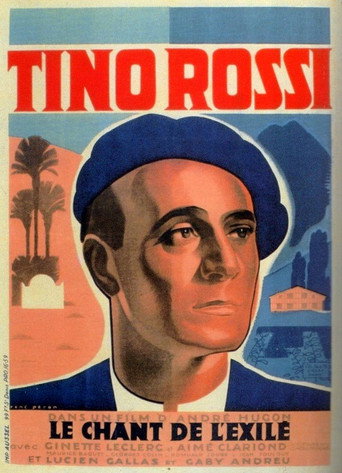
Le Chant de l'exilé
In the French Basque Country, Ramon, the son of a farmer and fruit and vegetable merchant with a beautiful voice, has the good life. He is engaged to his charming cousin Maria. But his daily life is called into question when, during a fight, he believes he has killed a bad boy. He flees to Algeria where, with a friend, he joins the Saharan Pioneers.
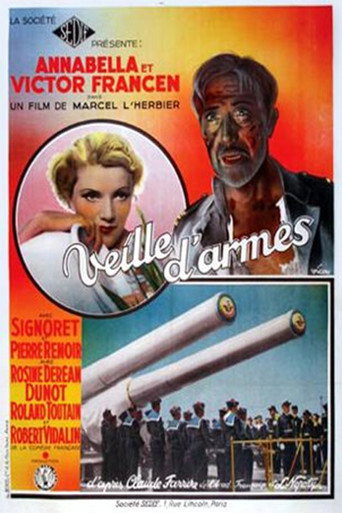
Sacrifice of Honor
Before the Battle is the English-language title of this espionage melodrama. The first half of the film takes place aboard a French cruising ship, steaming through dangerous waters during WWI. Among the passengers is heroine Jeanne (Annabella), who was once in love with first-officer D'Artelles (Robert Vidalin) but he now seems strangely preoccupied. It turns out that the ship is on a secret mission, which ultimately dooms the vessel to a Lusitania-like death. After the sinking, Captain De Corlaix (Victor Francen) faces a court-martial, and it is at this point that the film clarifies several baffling plot points. Despite its complexity, the story is fairly believable, with the exception of the grafted-on romantic subplot.
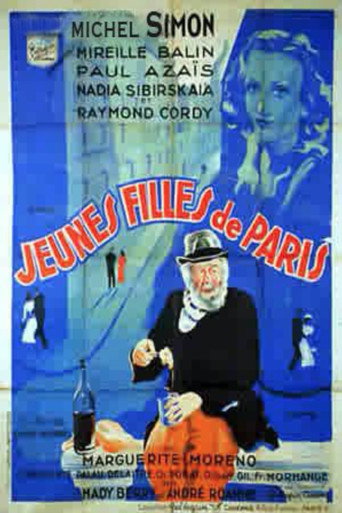
Girls of Paris
A few colorful characters, with very different social origins and whose destinies are not always glorious, will parade before our eyes, for our greatest pleasure. Turning among characters such as : an alcoholic bum, a rich banker, an eccentric old lady, a working class girl, a poor lover, and a hypocritical bourgeois.
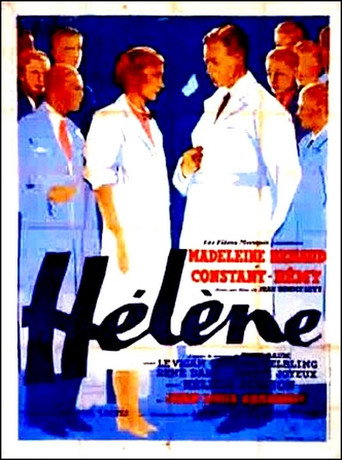
Hélène
Helene is based on Helene Wilfur, a novel by Vicki (Grand Hotel) Baum. Madeleine Renaud essays the title role, a young medical student in love with aspiring musician Pierre Regnier (Jean-Lous Barrault). Pierre's father, a noted surgeon, puts pressure on his son to give up music in favor of medicine. Unable to withstand his father's remonstrations, Pierre kills himself, prompting the grieving Madeleine to forget all about romance and dedicate her life to the cause of healing others. Wilfur avoids the usual soap-opera goo by offering realistic performances and credible dialogue (the English-language subtitles were composed by erudite film critic Herman G. Weinberg).
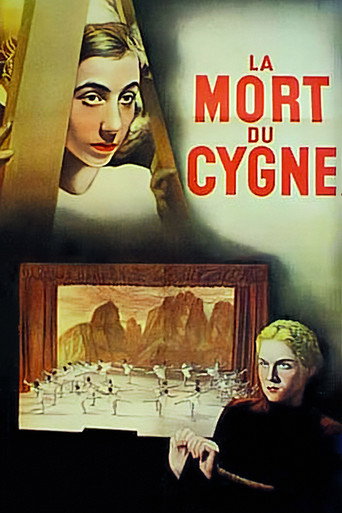
Ballerina
As its title indicates, La Mort du Cygne is set in the special world of the ballet. Young dance student Rose Souris idolizes her teacher-role-model Mademoiselle Beaupré, and will do anything to help Mademoiselle Beaupré further herself. Thus, when rival ballerina Nathalie Karine lands a much-coveted role, Rose arranges an accident causing Nathalie to break her leg. The girl comes to regret her rash behavior when it appears as though Nathalie will never dance again.
Gallery