Acting
No biography available.
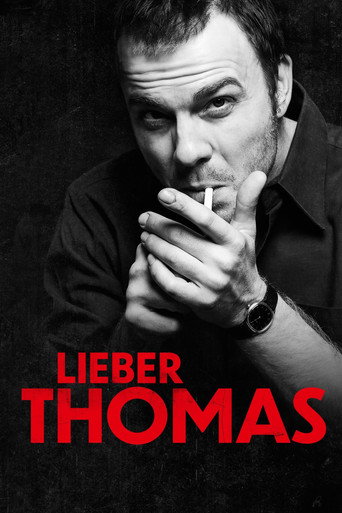
Thomas Brasch was born as a German-Jewish emigrant in England in order to move to the young GDR with his family at the beginning of the 1950s. His father Horst is primarily interested in helping to build the new German state. But Thomas prefers to realize himself as a writer and in doing so discovers his potential as a poetic rebel. His very first play was banned and soon afterwards he lost his place at the film school. When the tanks of the Soviet Union roll through the Czech capital Prague in 1968, Brasch and his girlfriend Sanda and other students try to call for protest in the streets of Berlin - and fail. His own father betrays him to the Stasi and allows Thomas to go to prison. After being paroled, he continues to try his hand at poet writing about love, revolt and death. In the GDR, however, you don't want to have anything to do with someone like him.
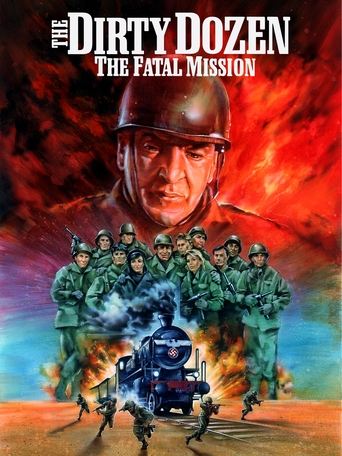
A renegade team of World War II soldiers. This time, one of the 12 is a woman and, with a Nazi spy within their midst, they're up against German wartime geniuses out to establish a Fourth Reich.
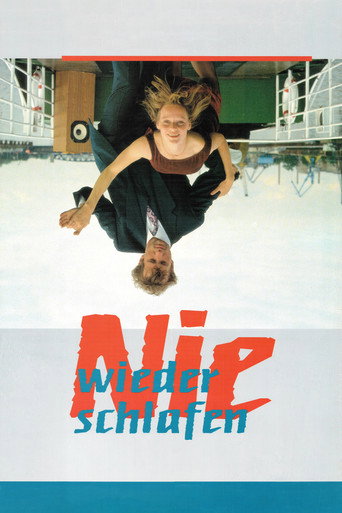
After attending a wedding on a steamboat traveling down the river Spree, three friends from Hamburg become stranded in a newly reunified Berlin. They begin a restless odyssey through the wastelands of a metropolis wavering between an unpredictable future and a lingering past.
Philipp and Anna live in the Berlin Babyboom-Kiez Kreuzberg. They also like to go to the playground, but with their little niece Nele. Anna does not want to know anything about Philipp's sudden desire to have a baby. She is on the verge of a professorship and insists on the old agreement: kK - no children! The more intently he makes his baby application to his wife, the more obvious is her rebuff.
During a stormy night of grave political crisis, an expert interpreter suffers a nervous breakdown. Young diplomat Konrad Gelb is recruited to step in and interpret between the two conflicting superpower leaders, who seem to hold the fate of humanity in their hands - an absurd responsibility, which by extension rests on the shoulders of the young interpreter. He must balance the oversized egos in the room and maneuver the world's destiny to either peaceful resolution or total annihilation.
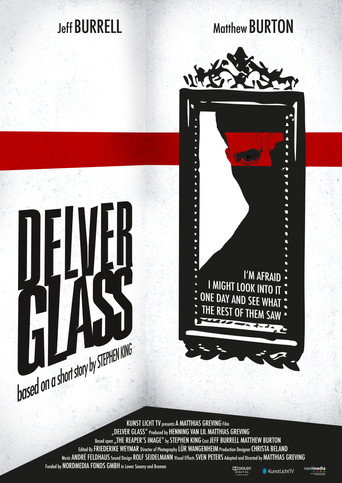
A man attempts, in vain, to prevent another from suffering the consequences of a sinister curse associated with the Delver Mirror. He presents a dire warning, in the broadest possible terms, to the ill-fated central character as to the fantastical legend and insidious nature of the mirror. Slowly they advance upward through the labyrinth of sticky corridors until the attic door approaches.
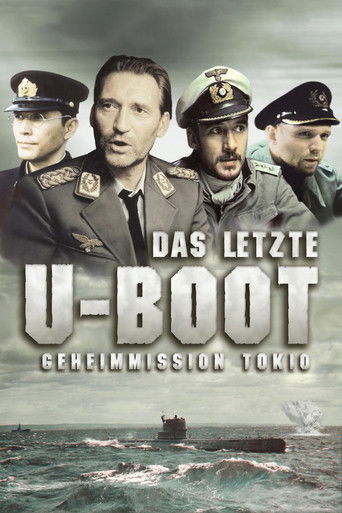
Near the end of WWII a lone U-Boat is sent from Germany to Japan carrying plutonium needed for a Japanese A-Bomb. During the long journey, news arrives on the radio that Hitler killed himself and Germany has surrendered. This causes a rift in the crew, the Nazi Party members wanting to continue to Japan since they are still at war, while the others just want to surrender or return home.
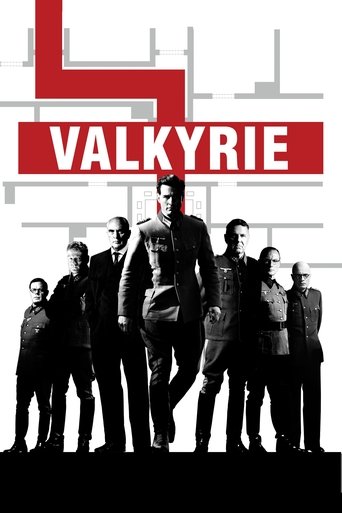
Wounded in Africa during World War II, Nazi Col. Claus von Stauffenberg returns to his native Germany and joins the Resistance in a daring plan to create a shadow government and assassinate Adolf Hitler. When events unfold so that he becomes a central player, he finds himself tasked with both leading the coup and personally killing the Führer.
A young Polish-born, Berlin-based lawyer working on refugee cases is unexpectedly reunited with his father, who is his only tie left with his homeland.