Acting
No biography available.
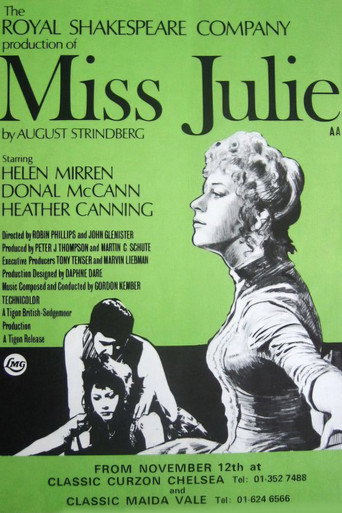
A filmed Royal Shakespeare Company production of August Strindberg's classic play. Miss Julie, a nineteenth-century aristocrat's daughter, is attracted to one of the servants in her father's house.
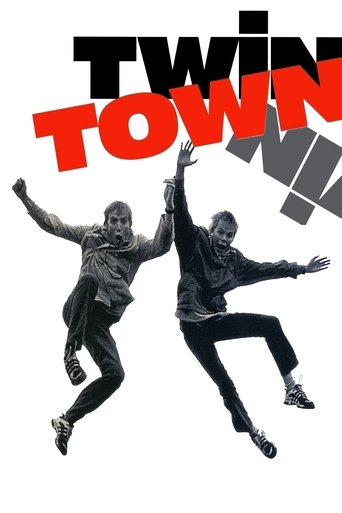
Jeremy and Julian Lewis, the "Lewis Twins", are two unruly brothers who terrorise the city of Swansea from the caravan park where they live with their family. When their father, Fatty, is injured while working on a roof for local kingpin Bryn Cartwright, they try in vain to claim compensation. Thus begins a campaign of terror, which local policemen Terry and Grayo are ill-equipped to prevent, involved as they are in a drugs deal with Cartwright.
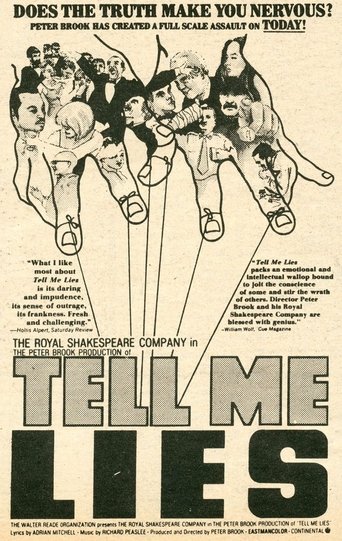
Adapted and directed by Peter Brook from the Royal Shakespeare Company’s ‘production-in-progress US’, this long-unseen agitprop drama-doc – shot in London in 1967 and released only briefly in the UK and New York at the height of the Vietnam War – remains both thought-provoking and disturbing. A theatrical and cinematic social comment on US intervention in Vietnam, Brook’s film also reveals a 1960s London where art, theatre and political protest actively collude and where a young Glenda Jackson and RSC icons such as Peggy Ashcroft and Paul Scofield feature prominently on the front line. Multi-layered scenarios staged by Brook combine with newsreel footage, demonstrations, satirical songs and skits to illustrate the intensity of anti-war opinion within London’s artistic and intellectual community.
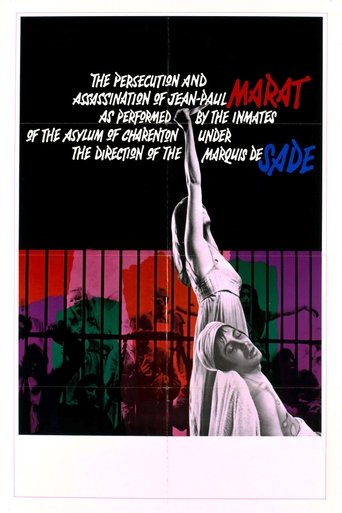
In Charenton Asylum, the Marquis de Sade directs a play about Jean Paul Marat's death, using the patients as actors. Based on 'The Persecution and Assassination of Jean-Paul Marat as Performed by the Inmates of the Asylum of Charenton Under the Direction of the Marquis de Sade', a 1963 play by Peter Weiss.
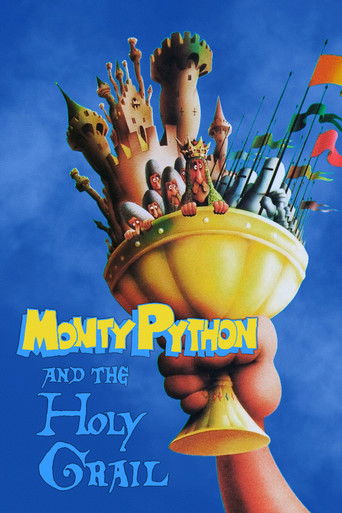
King Arthur, accompanied by his squire, recruits his Knights of the Round Table, including Sir Bedevere the Wise, Sir Lancelot the Brave, Sir Robin the Not-Quite-So-Brave-As-Sir-Lancelot and Sir Galahad the Pure. On the way, Arthur battles the Black Knight who, despite having had all his limbs chopped off, insists he can still fight. They reach Camelot, but Arthur decides not to enter, as "it is a silly place".
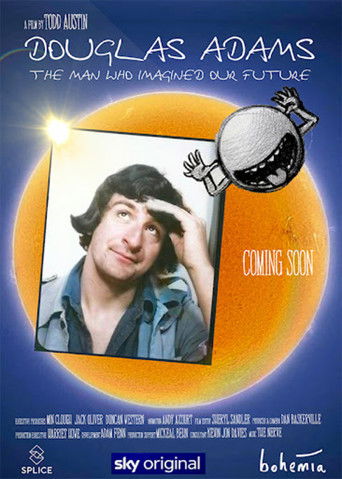
Author of The Hitchhiker's Guide To The Galaxy, polymath Douglas Adams was a pioneer of science fiction, comedy, technology and environmental activism. We're on a journey with Douglas Adams - diving into the broad questions of life, the universe and everything at a time when we are all asking questions of ourselves and our place on Earth - and our fear of destroying it. Campaigning for endangered species and the coming storm of climate change, he was years ahead of his time. Optimistic about the infinite possibilities that computers will bring, obsessing with the art of writing, while exploring parallel dimensions and artificial intelligence, his philosophy and ideas are meaningful, and visionary.