Marvin J. Chomsky Movies, TV Shows, and Filmography
Marvin J. Chomsky
Directing
Biography
From Wikipedia, the free encyclopedia. Marvin J. Chomsky (born May 23, 1929) is an American television and film director. He has also worked as a producer. He is a cousin of academic Noam Chomsky. Born in New York City, Chomsky graduated from Syracuse University in 1950. His early jobs in the motion picture and television industries included work as an art director, set decorator, and producer. His feature film directing credits include Evel Knievel and Good Luck, Miss Wyckoff. Chomsky is a prolific television director, and his career spanned from 1964-1995. During the late 1960s, Chomsky directed eleven episodes of the television series The Wild Wild West. He also directed episodes of Star Trek and Gunsmoke. Besides directing individual episodes for television series, Chomsky directed made-for-TV movies. Later in his career, Chomsky worked almost exclusively on made-for-TV movies and miniseries. During the 1970s, Chomsky served as one of the directors for the miniseries Roots: The Saga of an American Family. In 1982 he directed Vanessa Redgrave in the TV movie, My Body, My Child and in 1989 the miniseries Brotherhood of the Rose with Robert Mitchum, Peter Strauss and David Morse. He is the winner of three Emmy Awards: Outstanding Directing for a Drama Series for Holocaust in 1978; Outstanding Directing for a Miniseries, Movie or Dramatic Special for Attica in 1980 and for Inside the Third Reich in 1982. Description above from the Wikipedia article Marvin J. Chomsky, licensed under CC-BY-SA, full list of contributors on Wikipedia.
Filmography Movies
Acting
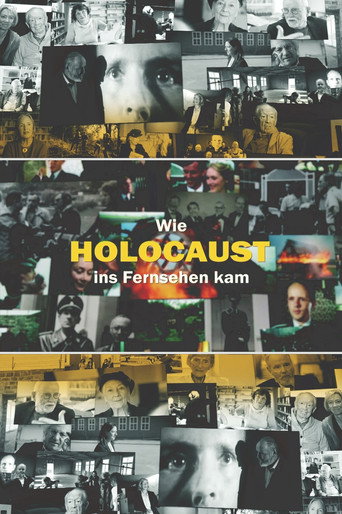
How Holocaust came to Television
At the beginning of 1979, after more than 30 years of collective repression, a dramatized and emotional US television miniseries ensured that the German population was suddenly reminded of the terrible Nazi crimes against the Jews. What is now expressed with the hitherto unknown word Holocaust, hits many millions of people in the heart. The unexpected echo and the audience reactions were fierce. Even before the TV broadcast neo-Nazis blasted in vain transmitting towers in Germany to prevent this. From the creation and the shooting over the broadcast to the tremendous reactions, documentary filmmaker Alice Agneskirchner tells the story of this emotional television event, which led to a paradigm shift in the perception of German Nazi crimes.
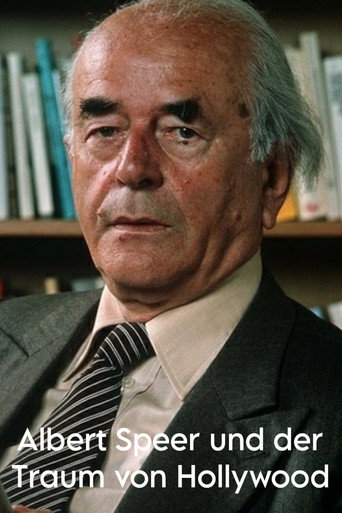
Albert Speer und der Traum von Hollywood
With the help of Hollywood, top Nazi Albert Speer tried to unscrupulously whitewash himself of his crimes in the 1970s. Speer gave long interviews to Hollywood author Jack Neuman and mimed the "good Nazi". After his release from 20 years in prison in Spandau, Hitler's former architect and armaments minister earned a lot of money with books about his time at the side of the dictator and his years in prison. However, a Hollywood feature film about his life was still missing. Speer received Neuman at his villa in Heidelberg.

Remembering Roots
The cast and crew of Roots (1977) recall its phenomenal success on its 25th anniversary.
Production
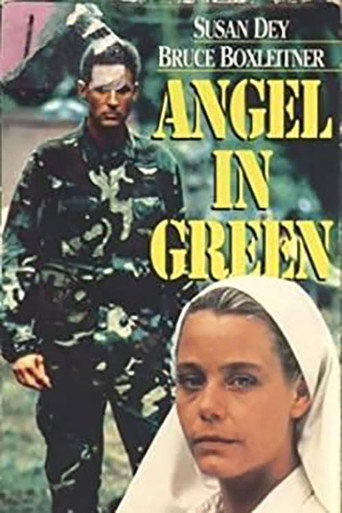
Angel in Green
While a group of Special Forces train a village to defend itself against Terrorists, the Captain of the group locks horns with the resident America Nun, who seems to be slightly better at everything that he is good at.
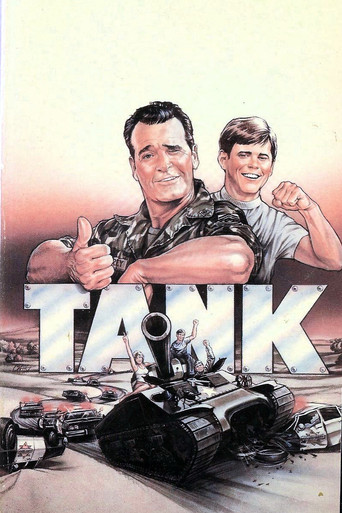
Tank
After relocating his family - and his prized restored Sherman tank - to a small Georgia town, Sargeant Major Zack Carey butts heads with the local sheriff. Zack doesn't agree with the ways of the local police, and when the sheriff goes after Zack's son, it's time for Zack to roll out the Sherman tank and wage a little war of his own.
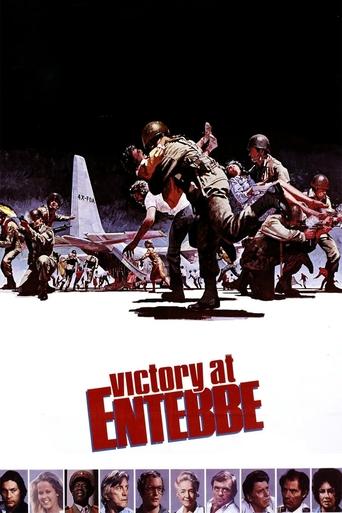
Victory at Entebbe
The film is based on an actual event: Operation Entebbe and the freeing of Israeli hostages at Entebbe Airport (now Entebbe International Airport) in Uganda.
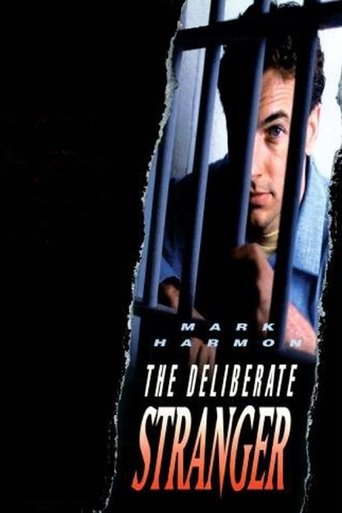
The Deliberate Stranger
Based on a true story, this film depicts the life of Ted Bundy, the serial killer. In 1974, after having murdered several young women, he leaves Seattle for Utah, where he is a law student and where other girls disappear. It takes the cooperation of a number of police forces to work efficiently on this case. Soon, but not soon enough, the police eliminate endless possibilities and close in on him. Bundy is tried in the media and his good-boy attitude brings him sympathy but also the hatred of many.
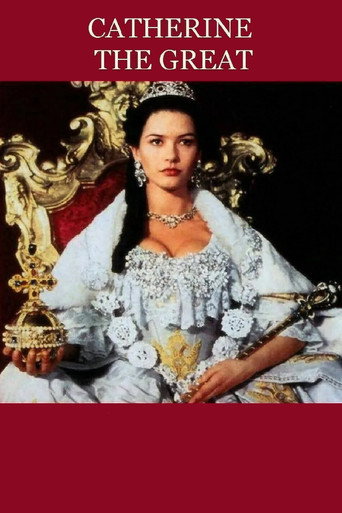
Catherine the Great
Trapped in a loveless arranged marriage to the immature future Czar, a young German Princess proves a skillful political infighter and rises to become Catherine the Great.
The Deliberate Stranger
Based on a true story, this film depicts the life of Ted Bundy, the serial killer. In 1974, after having murdered several young women, he leaves Seattle for Utah, where he is a law student and where other girls disappear. It takes the cooperation of a number of police forces to work efficiently on this case. Soon, but not soon enough, the police eliminate endless possibilities and close in on him. Bundy is tried in the media and his good-boy attitude brings him sympathy but also the hatred of many.
Hollow Image
A black New York career girl, who has made it big in the fashion world, is torn between her new life "downtown" and her roots in Harlem with an old boyfriend still living there.
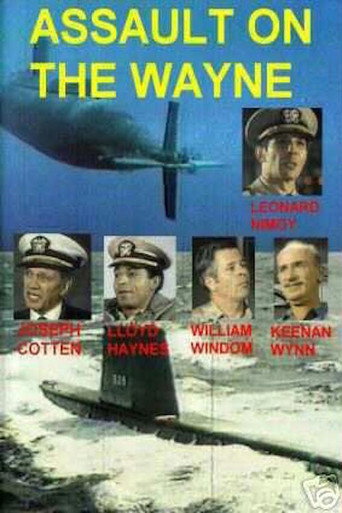
Assault on the Wayne
The U.S. submarine Anthony Wayne is underway for a top-secret mission. Onboard is a highly classified device that will give the Americans a decided nuclear advantage. The entire mission and the secret technology are threatened when the sub commander discovers his crew has been infiltrated by enemy agents. The commander is charged with trying to protect the device while ferreting out the enemy agents. Compounding matters is the state of the commander's physical and mental condition, which is being questioned by his crew.
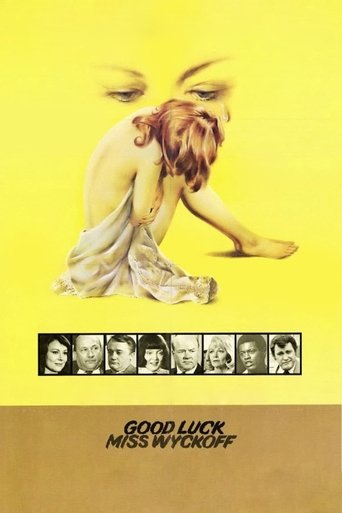
Good Luck, Miss Wyckoff
An abusive sexual relationship between a white spinster schoolteacher and a young black janitor in 1956 Kansas complicates her struggle to come to grips with her sexuality and emotions.
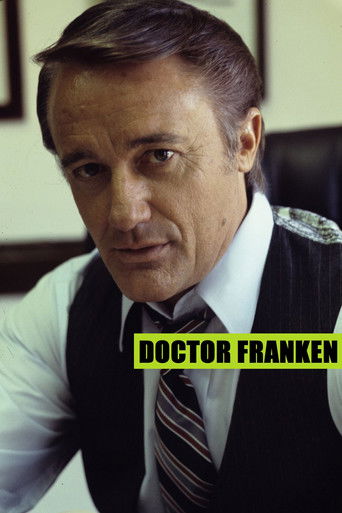
Doctor Franken
This variation of the Frankenstein legend, set in a brownstone in present-day Manhattan, has Robert Vaughn as a determined New York surgeon bringing "parts" home from work -- the hospital where he does experimental research -- to painstakingly rebuild the shattered body of an anonymous patient with organs from various donors.