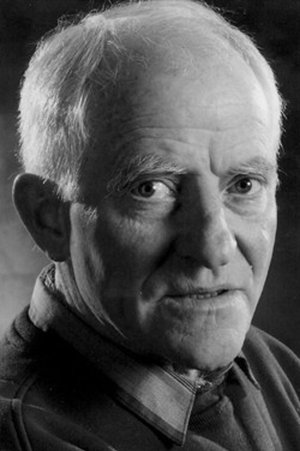
Martyn Sanderson Movies, TV Shows, and Filmography
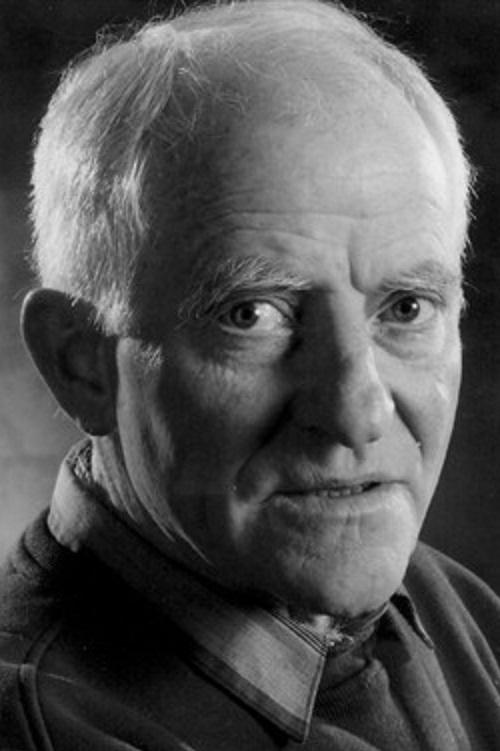
Martyn Sanderson
Acting
Biography
No biography available.
Filmography Movies
Acting
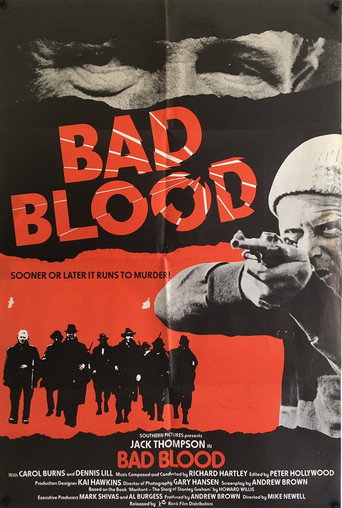
Bad Blood
During World War 2, a farmer in New Zealand murders seven people. The police, along with local Maori trackers, hunt him in the bush country.
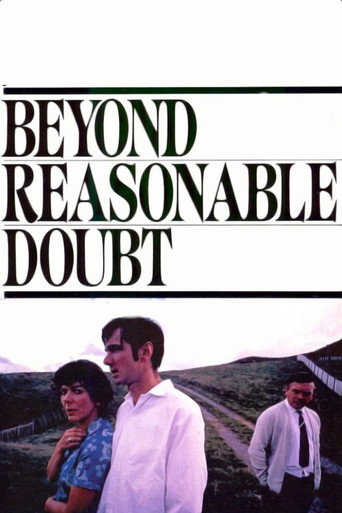
Beyond Reasonable Doubt
A docu-drama covering one of the most famous cases in New Zealand history, the murder of Harvey and Jeanette Crewe in 1970.
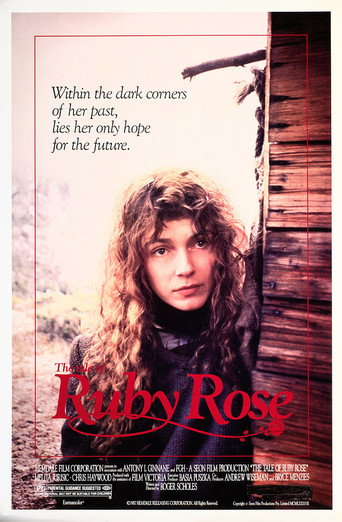
The Tale of Ruby Rose
The year is 1933. Ruby Rose (Melita Jurisic) is an Australian woman living with her Welsh immigrant husband Henry (Chris Haywood) in the Tasmanian highlands. Cut off from her superjudgmental family, for whom Henry had once worked as a humble farm hand, Ruby remains isolated in her tiny house. Superstitiously terrified of the dark, she begins developing her own folklore about the inky blackness that surrounds her each night; this folklore eventually develops into Ruby's own personal religion, created to ward off the evils that she imagines lurk in every corner. Only by venturing out of her house and rekindling her relationship with her embittered father is Ruby able to exorcise her fears. Almost hypnotic in its stark beauty, Tale of Ruby Rose is proof enough that writer/director Roger Scholes deserves to be far better known.
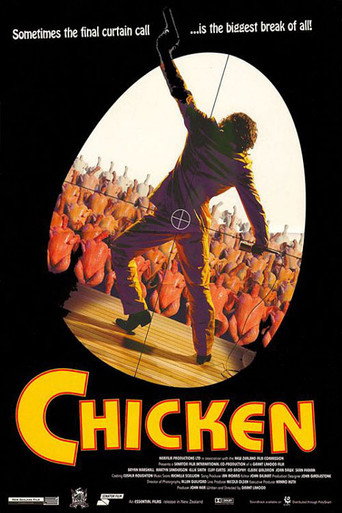
Chicken
On the premise that his albums will sell better if he is dead, an aging pop-singer fakes his own death. True enough, the money rolls in, but no one can get their hands on it because of the seven year waiting period before a missing person can be declared legally dead. However, a crazed animal rights terrorist, who knows he isn't dead, is trying to kill him, because of the singer's advertisements for fried chicken restaurants. Eventually, it turns out that the singer's manager is paying the terrorist to kill him.
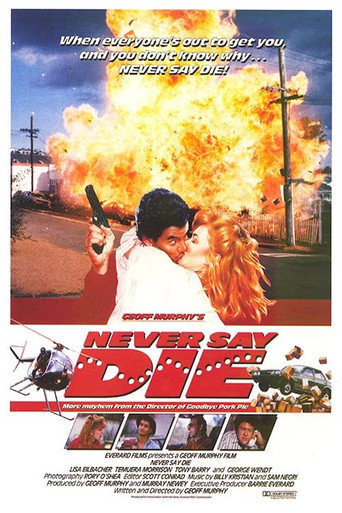
Never Say Die
Investigative journalist Alf Winters (Morrison), meets his American girlfriend, Melissa Jones (Eilbacher), at Auckland airport. As they park outside Alf's house, it explodes. It is soon apparent that persons unknown want them dead, but the police are either skeptical or in the pay of those responsible. They play hide and seek around New Zealand with the stalkers, all the while coping with car chases, plane crashes, bullets and explosions.
Cow
Two old men with Confucian beards are adrift in the ocean, a placid Friesian cow in tow. A surreal study on how quickly a minor event can evolve into something far more extreme, the film features no dialogue; rather, a guitar duet that escalates to a duel.
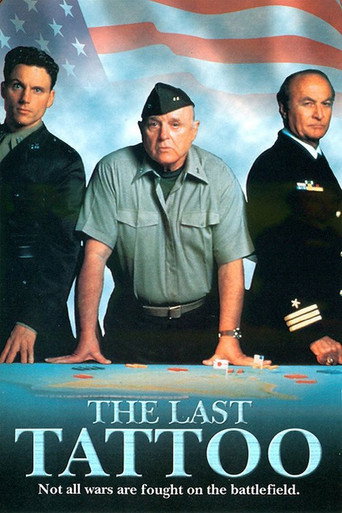
The Last Tattoo
In 1943, U.S. marines are stationed near Wellington. One of them is murdered by the boss of the Hotel Workers Union, who is sitting pretty, exempt from military service and living it up on black market profits. Girls under the control of the union - of whom the victim's fiancee, Rose, is one - give sexual favours to the Americans, in return for information. The marine assigned to investigate the murder, tries to find Rose through a public health nurse who traces VD infections. However they discover there it more going on than they realized, involving a conspiracy amongst the Union, the government and the U.S. military.
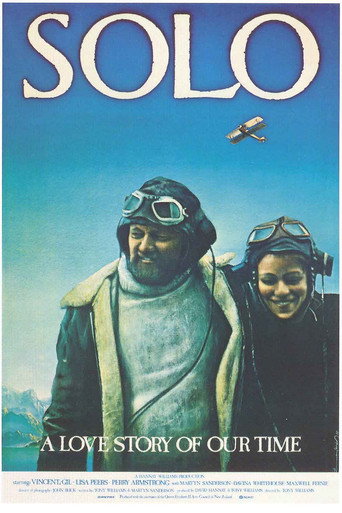
Solo
When a young Australian hitchhiker, Judy (Peers), enters a prohibited forest area, she encounters Paul (Gil) whose job is spotting fires from a plane. She is invited to stay with him and his teen son, Billy. Later they go on a sightseeing flight in a "Tiger Moth" bi-plane, but having a forced landing, are accommodated by an odd elderly couple.
Wild Horses
Amid the high country of the North Island interior, wild horse roam and breed. With the trees gone, Dan Mitchell and the Sullivan brothers, turn to the wild horses as a source of income. With rope and snare - and the help of an experienced horse catching team - Sam and Sara's example, the rough ex-loggers learn to respect a delicate balance between the wild horses and their catchers. The best stallions are left to breed and their riding horses are retired back into the wild herds.
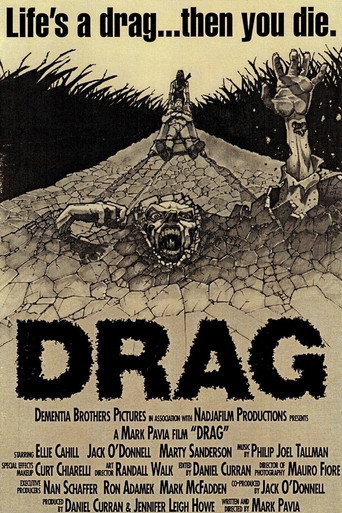
Drag
The world is dead. A lone woman, Victoria, struggles valiantly to stay alive on this desolate planet once known as Earth. But Victoria is not alone here. She shares her horrifying new world with beings of a different kind... the living dead, ferocious beasts hungrily searching for human flesh. With a sawed-off shotgun strapped to her back, Victoria drags a dead body through this horrifying new world in a desperate attempt to hold onto her humanity... to hold on to her past.
Production
Autumn Fires
Actor Martyn Sanderson returns in 1977 to the Hokianga of his youth and visits his elderly and romantic aunt, Olive Bracey. Her reminiscences of pioneer life mesh with nostalgic songs and readings from her fiction.
The Hum
Documentary about sailing legend Geoff Stagg and his yacht Whispers.
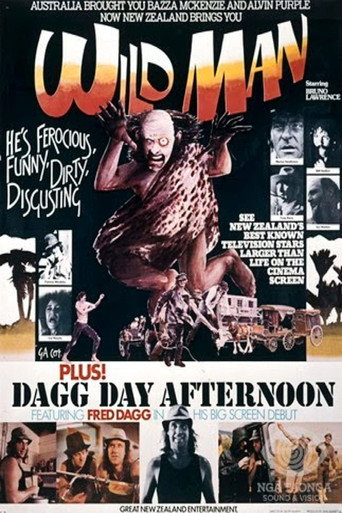
Wild Man
The story of two itinerant con men, the Wild Man and the Colonel, who operate on the West Coast gold mining towns of the New Zealand South Island during the latter part of the last century.
Solo
When a young Australian hitchhiker, Judy (Peers), enters a prohibited forest area, she encounters Paul (Gil) whose job is spotting fires from a plane. She is invited to stay with him and his teen son, Billy. Later they go on a sightseeing flight in a "Tiger Moth" bi-plane, but having a forced landing, are accommodated by an odd elderly couple.
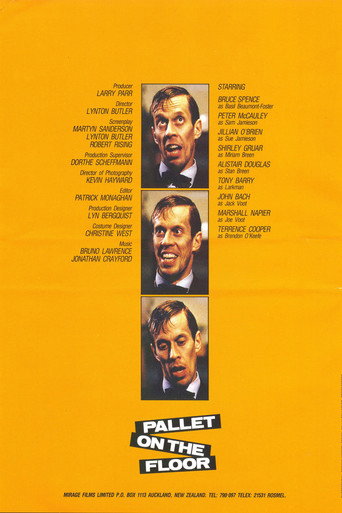
Pallet on the Floor
A murderous black comedy set in the 1960s. Sam (McCauley) and his small band of hard-drinking and eccentric friends are having a night of it when a drunk truck driver, Jack (Bach), attacks Sam's Maori wife Sue (O'Brien). In the struggle, Sam and friends end up killing Jack. None of them regrets this, but it has been observed by Miriam (Gruar) who decides to blackmail Sam. Jack's brother Joe (Napier) comes looking for revenge and ends up being killed by Basil (Spence). Their jobs at the freezer works are terminated, and Basil has his own idea about how to get out of their troubles.
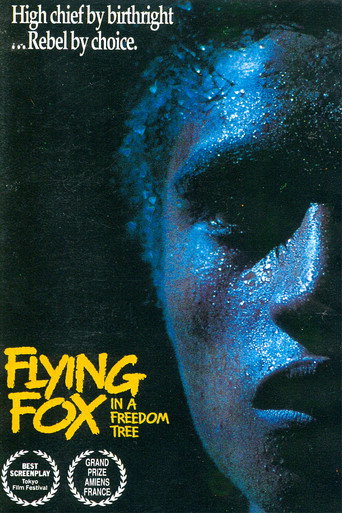
Flying Fox in a Freedom Tree
Pepe is the son of a successful Samoan businessman, who rejects his father's world and his Christianity. Although he becomes rebellious, anti-social and engages in criminal activity, as well as being expelled from school, he manages to establish himself in business. However, when he gets his girlfriend pregnant, he takes on the responsibilities of a family. Through his close association with half-cast dwarf, Tagata, he enters the supernatural realm of his traditional ways and begins to find some peace and meaning to his life.
Flying Fox in a Freedom Tree
Pepe is the son of a successful Samoan businessman, who rejects his father's world and his Christianity. Although he becomes rebellious, anti-social and engages in criminal activity, as well as being expelled from school, he manages to establish himself in business. However, when he gets his girlfriend pregnant, he takes on the responsibilities of a family. Through his close association with half-cast dwarf, Tagata, he enters the supernatural realm of his traditional ways and begins to find some peace and meaning to his life.
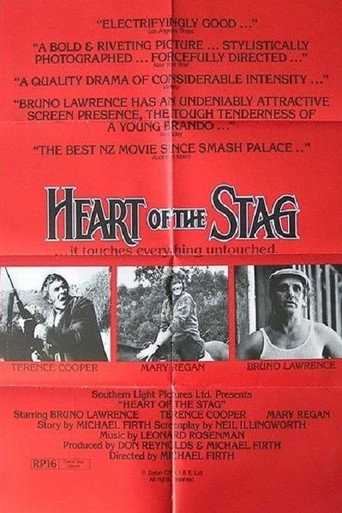
Heart of the Stag
Chilling story of a farmhand who realizes his popular boss has been committing incest with his daughter for years.
Keskidee Aroha
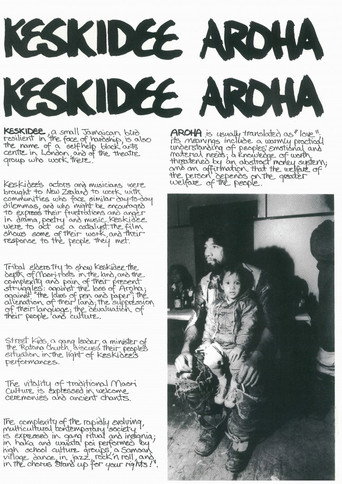
Keskidee, a small Jamaican bird resilient in the face of hardship, is also the name of a self-help black arts centre in London, and the theatre group who work there. Keskidee's actors and musicians were brought to New Zealand to work with communities who face similar day-to-day dilemmas and who might be encouraged to express their frustrations and anger in drama, poetry and music. Keskidee were to act as a catalyst. the film shows some of their work and their response to the people they met. Tribal elders try to show keskidee the depth of Maori roots in the land, and the complexity and pain of their present struggles: against the loss of Aroha; against the laws of pen and paper; the alienation of their land; the suppression of their language; the devaluation of their people and culture.
Keskidee Aroha
Keskidee, a small Jamaican bird resilient in the face of hardship, is also the name of a self-help black arts centre in London, and the theatre group who work there. Keskidee's actors and musicians were brought to New Zealand to work with communities who face similar day-to-day dilemmas and who might be encouraged to express their frustrations and anger in drama, poetry and music. Keskidee were to act as a catalyst. the film shows some of their work and their response to the people they met. Tribal elders try to show keskidee the depth of Maori roots in the land, and the complexity and pain of their present struggles: against the loss of Aroha; against the laws of pen and paper; the alienation of their land; the suppression of their language; the devaluation of their people and culture.
Gallery