Martin Potter Movies, TV Shows, and Filmography

Martin Potter
Acting
Biography
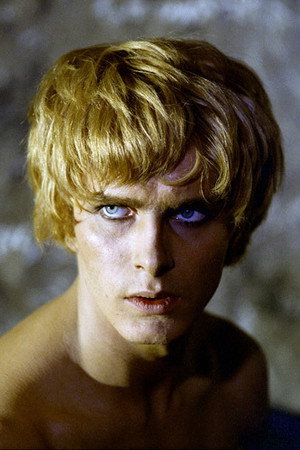
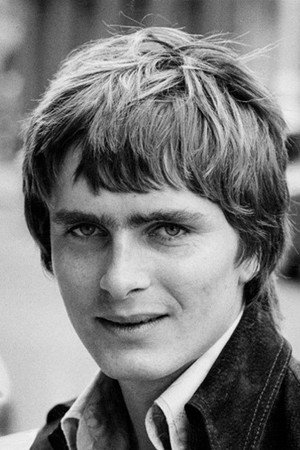
From Wikipedia, the free encyclopedia. Martin Potter (born 4 October 1944) is a British actor. After the National Youth Theatre and repertory theatre in Guildford and Hampstead, Potter received his first role in British television at the age of 24 in the television drama The Bonegrinder (1968) written by Dennis Potter. In the same year he had another small part alongside Brian Cox in the futuristic drama The Year of the Sex Olympics. One year later Potter's career took off with a much larger role. The Italian director Federico Fellini chose him for the main role of Encolpius in his film Satyricon. Terence Stamp, Fellini's original choice for the main role, was not available, and Fellini was looking for someone of a similar appearance. After this star role, Potter's career tended back to smaller roles again: mostly B-movies and television productions like the film adaptation of W. Somerset Maugham's Olive. Among his more well-known parts are the history film Nicholas and Alexandra (1971) and the film The Big Sleep (with Robert Mitchum as private detective Philip Marlowe). He also appeared in horror films, including Craze with Jack Palance, and television series such as Doctor Who. In 1975 he achieved some popularity with the title part of Robin Hood in a TV mini-series The Legend of Robin Hood. In 1985 he again took a part in a production concerning Ancient Rome: the American mini-series A.D. in which he portrayed the Roman politician and opponent of Nero, Gaius Calpurnius Piso. Description above from the Wikipedia article Martin Potter (actor), licensed under CC-BY-SA, full list of contributors on Wikipedia.
Filmography Movies
Acting
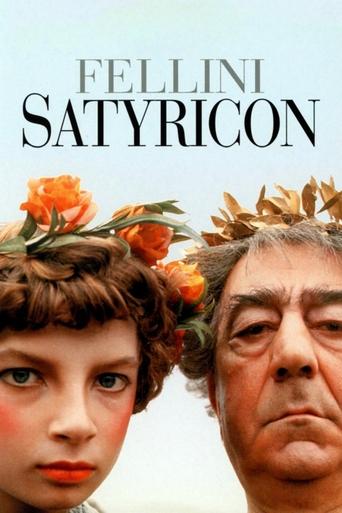
Satyricon
After his young lover, Gitone, leaves him for another man, Encolpio decides to kill himself, but a sudden earthquake destroys his home before he has a chance to do so. Now wandering around Rome in the time of Nero, Encolpio encounters one bizarre and surreal scene after another.
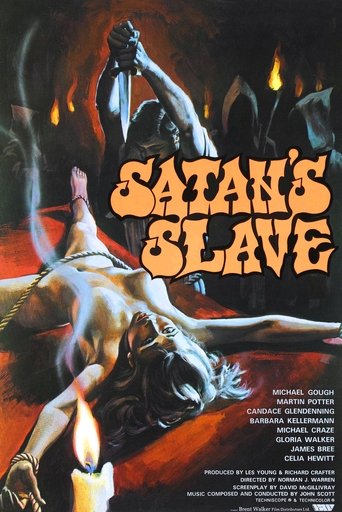
Satan's Slave
A young girl is caught up in a devil cult run by her wicked uncle and cousin. She can trust no one and even those she thought were dead return to haunt her.
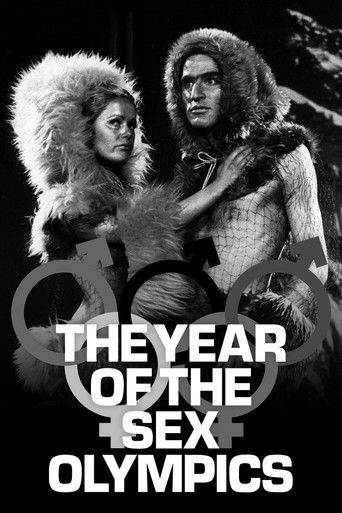
The Year of the Sex Olympics
Influenced by concerns about overpopulation, the counterculture of the 1960s and the societal effects of television, the play depicts a world of the future where a small elite control the media, keeping the lower classes docile by serving them an endless diet of lowest common denominator programmes and pornography. The play concentrates on an idea the programme controllers have for a new programme which will follow the trials and tribulations of a group of people left to fend for themselves on a remote island. In this respect, the play is often cited as having anticipated the craze for reality television.
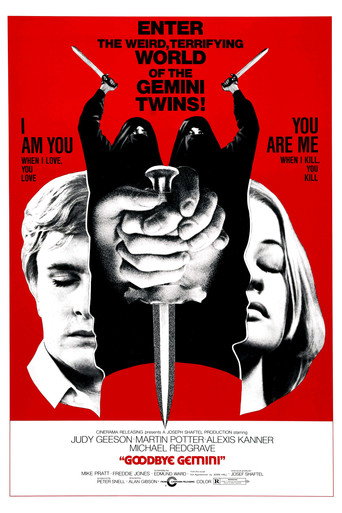
Goodbye Gemini
Unnaturally close, jet-setting twins become enmeshed in the Swinging London scene, where their relationship is strained after they befriend a predatory hustler and his girlfriend.
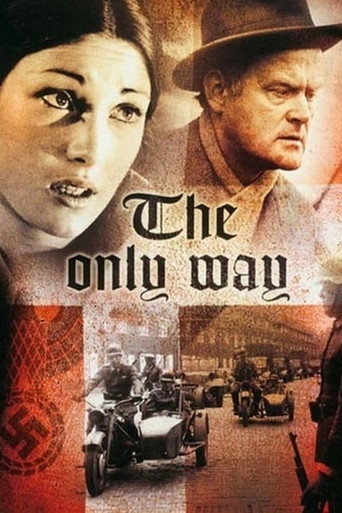
The Only Way
In April 1940, the armies of Nazi Germany invaded Denmark. The Danish government promised peaceful cooperation on the condition that Denmark's Jews remained free. The Nazis agreed. In October 1943, the agreement was broken... This is the true and magnificent saga of Denmark's valorous actions to save Danish Jews from Nazi extermination at peril of death!
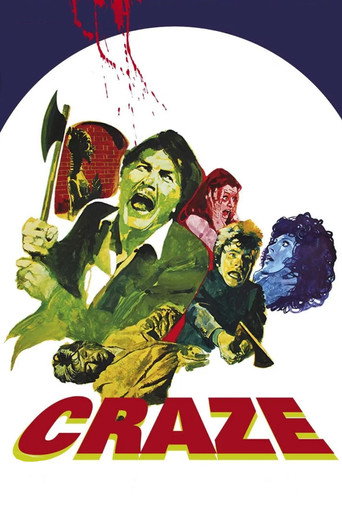
Craze
A demented art dealer and antique shop owner performs nightly rituals in honour of the African god Chuku, whom he believes will reward him with unimaginable wealth and power if he merely offers human sacrifice.

Gunpowder
Dr. Vache has a plan to destroy the world’s economy by flooding it with gold. Spies Gunn and Powder are on a mission to save it.
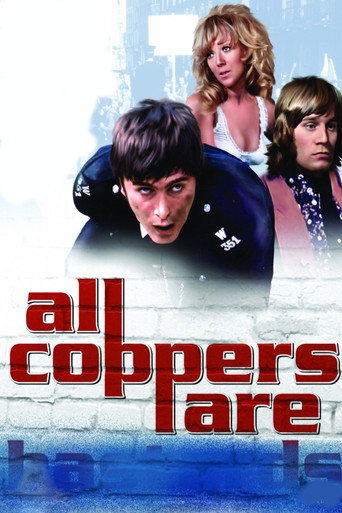
All Coppers Are...
A young policeman and a small-time crook are both involved with the same girl.
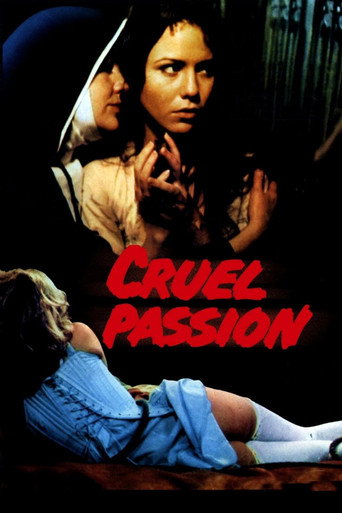
Cruel Passion
Justine is a nubile young virgin cast out of a French orphanage and thrust into a depraved world of prostitution, predatory lesbians, a fugitive murderess, bondage, branding, and one supremely sadistic monk. It's a twisted tale of strange desires, perverse pleasures and the ultimate corruption of innocence as told by the Marquis de Sade.
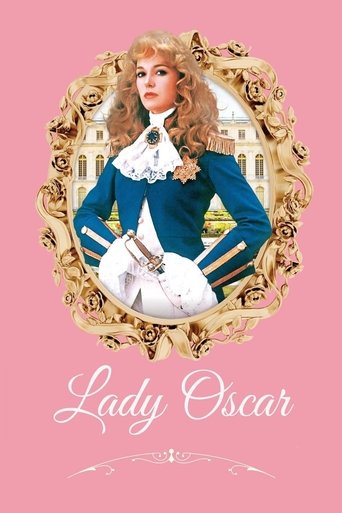
Lady Oscar
Oscar François de Jarjayes was born female, but her father insisted she be raised as a boy as he had no sons. She becomes the captain of the guards at Versailles under King Louis XVI and Marie Antonette. Her privileged, noble life comes under fire as she discovers the hard life of the poor people of France. She is caught up in the French Revolution, and must choose between her loyalty and love.
Gallery