Martin Duckworth Movies, TV Shows, and Filmography
Martin Duckworth
Camera
Biography
Martin Duckworth is a Canadian documentary director and cinematographer. He raised in Montreal's Notre-Dame-de-Grâce neighborhood and Halifax, Nova Scotia where his father, Jack Duckworth, was secretary-general of the YMCAs. He holds BA and MA degrees in History from Yale University and the University of Toronto. He was on staff at the National Film Board from 1963 to 1970. From 1990 to 2012, he taught film at Concordia University’s Mel Hoppenheim School of Cinema.
Filmography Movies
Acting
Christopher's Movie Matinee
When a camera crew are sent to document hippie protests in Yorkville, Canada's counter-culture capital, they are charmed by a group of misunderstood kids with their own ideas about what kind of movie to make.
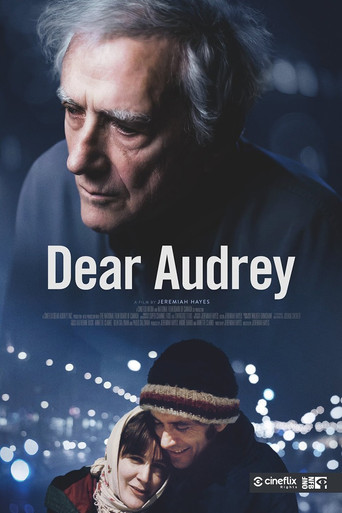
Dear Audrey
Martin Duckworth is a staunch defender of peace and justice and one of Quebec’s most important documentary filmmakers. Helped by his 47-year-old daughter, who is on the autism spectrum, the octogenarian supports his wife, photographer and activist Audrey Schirmer, through the final stages of Alzheimer’s disease. Characterized by captivating resilience and strength, this moving biography soberly directed by Jeremiah Hayes allows Duckworth to reflect candidly on the key personal and professional moments of the couple’s lives. Dear Audrey tells a story marked by incredible twists and turns and a consistent attitude toward challenges. The film takes place more in the present than the past, becoming a powerful testimonial to the growing and unshakable love of a husband for his wife.
Production
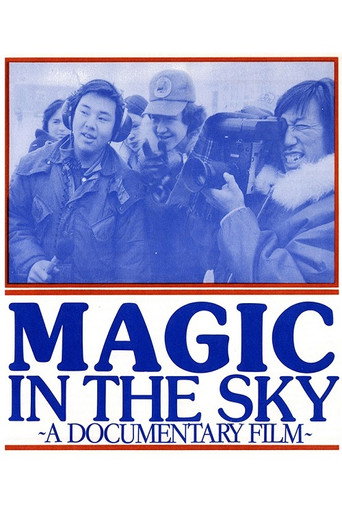
Magic in the Sky
Magic in the Sky investigates the impact of television on the Inuit people of the Canadian Arctic. The film also documents the establishment of the first Inuit-language television network, called Inukshuk, which began broadcasting to six Inuit communities in December 1980. The Inuit's efforts to create an indigenous television network mirrors the struggle of any culture trying to preserve its unique identity.

The Ernie Game
This fictional feature follows a twenty-something man who is struggling to define his position in the world in early adulthood. He has left their parents' home but still has not made an home of his own. Our protagonist’s alienation is palpable; for him life is a game, not because he chooses to make it so, but because he is unable to make anything more of it. But for those who befriend him and eventually turn him loose again, his game is not enough.
The World of One in Five
A fifth of Canadians live at the subsistence level. This is a look at that world, where the street is home, and where poor shelter, poor food, poor schools and poor health are the only certainties of life. Children, old people, the sick and the drifters are caught in it. It is a world filmed throughout Canada so that people who are not part of it can see it, think about it, and maybe help to change it. (NFB site)
Our Last Days ... in Moscow
Pianists Kuo-Yen of Taiwan and Pierre Jasmin of Québec met and fell in love while studying music in Vienna. The film is a "letter" from Pierre to Kuo-Yen, who has made the difficult decision to return to her native land. Jasmin is sending her the images, words, and music of their last days as a couple ... in Moscow. They had come there for Kuo-Yen to compete in the 8th Tchaikovsky Piano Competition; how she fared determined her future.
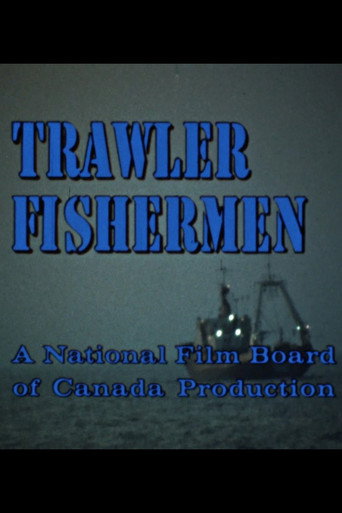
Trawler Fishermen
This short film was shot on the Grand Banks of Newfoundland and shows off the new technology employed on modern fishing boats in the mid-1960s. The featured trawler is open-stern style, allowing full nets to be dragged easily from the sea then lifted to release the silvery catch into the cleaning troughs. -NFB
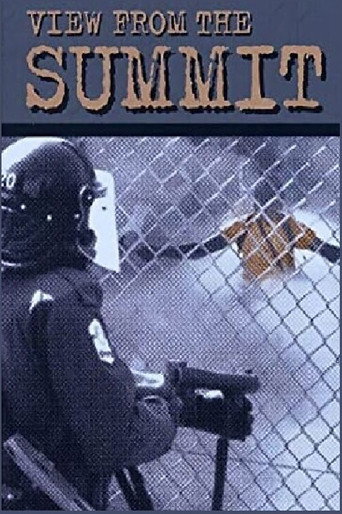
View from the Summit
This feature documentary takes us back to April 20, 2001, as Quebec City prepares to host the 3-day Summit of the Americas. A 4-kilometre fence has been erected, cutting off the Upper Town from the rest of the city. Thirty-four heads of state from the Americas will meet behind closed doors to discuss agreements for a Free Trade Area of the Americas (FTAA). Those opposed to the FTAA are mobilizing and gathering in Quebec City, too. Several thousand delegates have come to participate in the People's Summit, and tens of thousands will march in protest. Six thousand police officers fill the streets and it looks as if the historic Quebec capital is under siege. The local population fears the worst. Will the Quebec capital become a battleground? Shot in cinéma vérité style by 7 of Quebec's best documentary filmmakers, View from the Summit vividly portrays what happens when passionate and creative protesters clash with the ideologies of those in power.
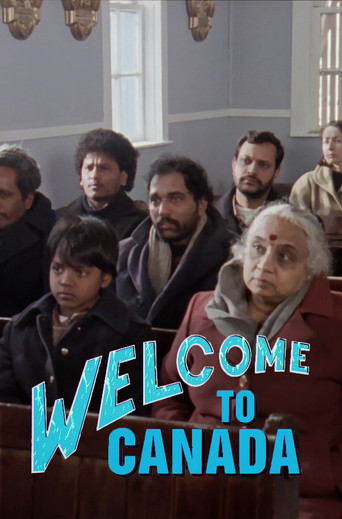
Welcome to Canada
Newfoundlanders share their food, culture, and homes with a group of Tamil refugees found off the coast.
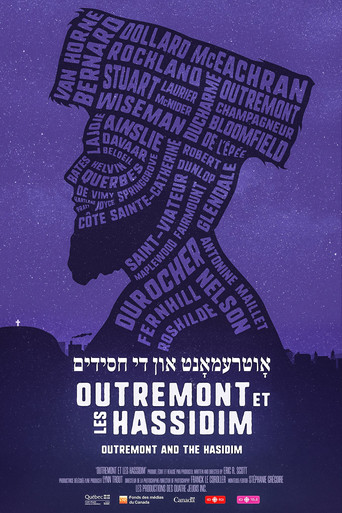
Outremont et les Hassidim
OUTREMONT AND THE HASIDIM reveals the challenges of accommodating the “Hasidim” – or ultra-Orthodox Jews – in the affluent Montréal borough of Outremont.Some 7,000 Hasidim live in or near this choice neighbourhood of Québec’s Francophone elite. After settling there more than 70 years ago, the Hasidim are a rapidly growing minority group which today represents about 23% of Outremont’s population.Thanks to unprecedented access to this self-isolated community, the film lifts the veil on its practices, traditions, music and life as they had never before been seen on Canadian television, without ignoring the community’s expectations, fears. and hopes.