Directing
No biography available.
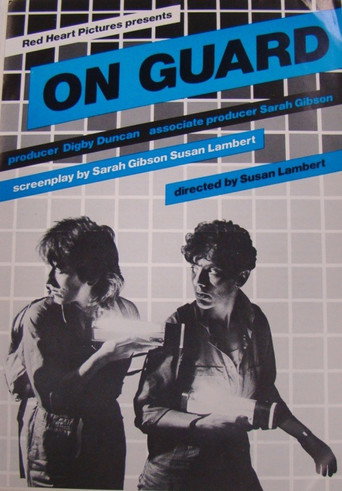
Set against the backdrop of modern-day Sydney, this heist-style thriller involves four politicised women from varying backgrounds, who conspire to sabotage the research programme of a multi-national firm, Utero, which is engaged in reproductive engineering. One of the women loses her diary which contains information and diagrams about the raid only a few days to count down. Will the diary fall into the wrong hands leading to the detection of the women before they have a chance to complete their mission? As the tension mounts, so the wider context of the women's lives as mothers, lovers and providers is also shown under strain indicating the many other considerations women have to take into account when embarking on any form of public activity.
Four young people get to know each other by spending weekends on a yacht stationed in Sydney's Pittwater area.
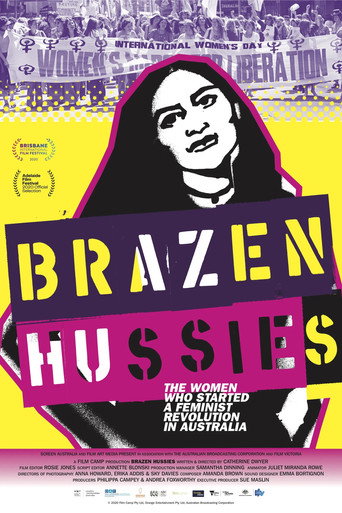
Reveals a revolutionary chapter in Australian history, the Women’s Liberation Movement (1965 -1975). Interweaves fresh archival footage, personal photographs, memorabilia, and personal accounts from activists all around Australia to show how a daring and diverse group of women joined forces to defy the status quo, demand equality, and create profound social change. These women defined one of the greatest social movements of the 20th century, sometimes at great personal cost.
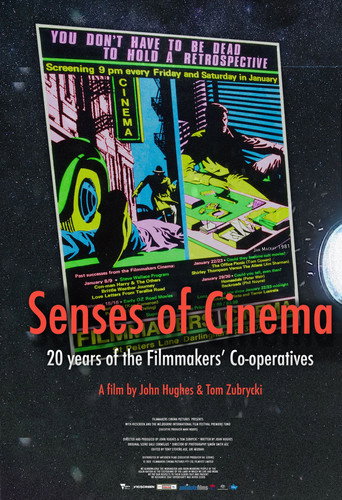
As notions of civil rights transformed across the world, so was the screen landscape reformed by the ascension of grassroots film movements seeking to challenge the mainstream. Some aspired to push form to its limit; others worked to destabilise what they saw as a homogenous industry, or to provoke questions around gender, sexuality, migration and race.
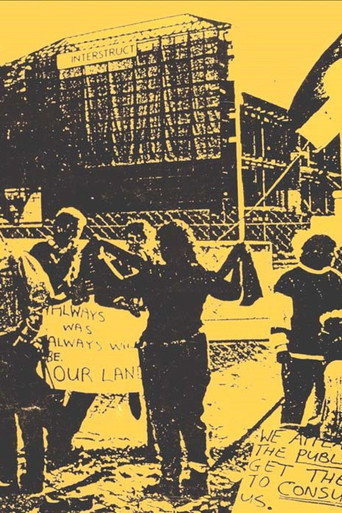
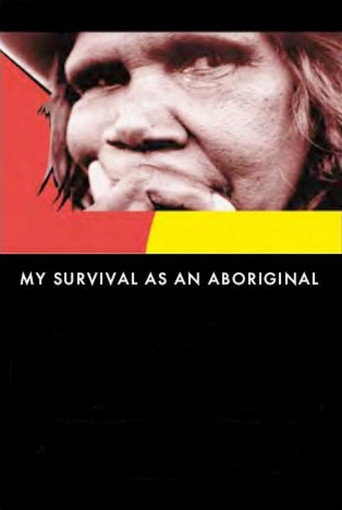
This is the account of the Aboriginal People of Perth on protest to protect the Ancestral First Grandmothers' and Grandfathers' Beliefs of the Sacred Ground of the Waugul at the old Swan Brewery on the Swan River in Perth, W.A.
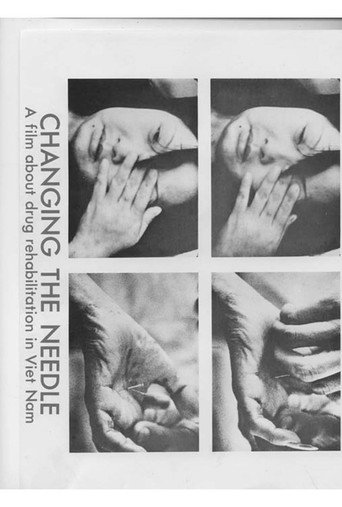
A quarter of a million drug addicts —one of the most serious consequences of the Vietnam War. These addicts were the citizens of the South, and of Ho Chi Minh City, the former Saigon. Shot in 1981 by three Australian women, Changing the Needle was the first in-depth film to be made about Vietnam’s unique approach to drug rehabilitation at a time when few foreign film crews had access to Vietnam at all.
A docu-drama shot in 1970, but not completed until 1973, the film sought to encapsulate in an experimental form issues that were under discussion within the Women’s Liberation Movement at this time and to thus contribute to action for change. In its numerous community screenings, active debate was encouraged as part of the viewing experience.
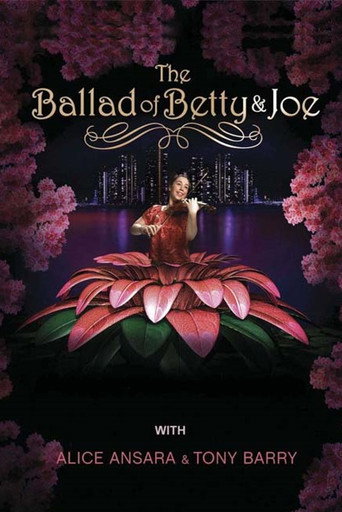
Every morning Betty tramps alone through the big city to join her fellow buskers in the pedestrian tunnel below, trying to earn a living. But her earnings are meager, and to make things worse, the new security guard, Joe, is trying to confiscate her fiddle. While Betty dreams of fame and fortune, Joe dreams of earplugs – something’s got to give!
Essie Coffey gives the children lessons on Aboriginal culture. She speaks of the importance of teaching these kids about their traditions. Aboriginal kids are forgetting about their Aboriginal heritage because they are being taught white culture instead.
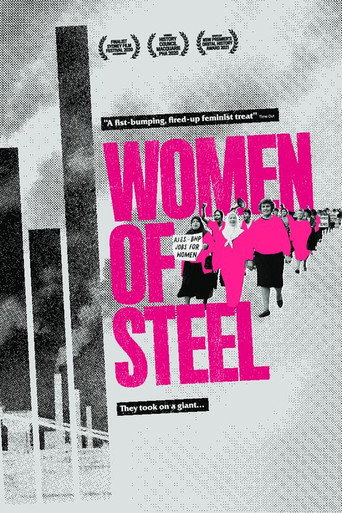
Forty years ago, Wollongong’s Jobs for Women Campaign, with director Robynne Murphy among its leaders, took on Australia’s most powerful company BHP – and won. But when the 1980s steel slump devastated the city’s economy, the women were forced into the courtroom. Their struggle plays out against a background of societal changes: from anti-discrimination legislation, to the shifting roles of women in the home and workforce (particularly complex in Wollongong’s migrant, non-English speaking households). This fascinating account of the largely forgotten history of Australia’s Steel City was crafted over decades with support from local community volunteers and over 500 donors.