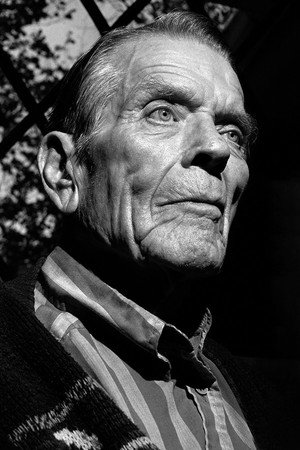
Mark Powell Movies, TV Shows, and Filmography
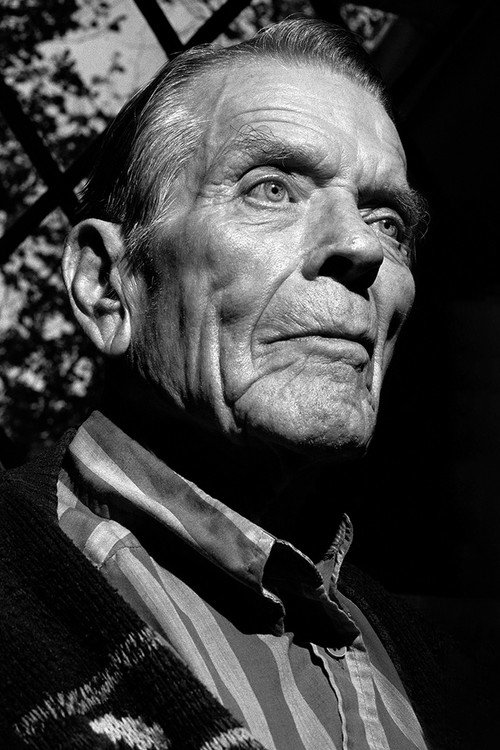
Mark Powell
Acting
Biography
Mark Powell, born Marion Lyle Powell on August 5, 1928, in Selma, California, and died on July 2, 2020, is a major figure in American mountaineering. His childhood was marked by frequent moves, and after his parents divorced at the age of 15, he moved with his mother to live with his grandparents in Laton, California. After graduating from high school in 1946, he enlisted in the U.S. Air Force and served primarily in Alaska. Discharged just before the Korean War, he quickly developed his passion for the mountains, which he had already begun hiking and climbing as a child. In 1954, he began technical climbing with the Sierra Club Rock Climbing Section in Fresno. From then on, Powell distinguished himself by his determination, climbing the peaks of Yosemite Valley one by one, alongside climbers such as Jerry Gallwas and Don Wilson. Together, they attempted the great peaks of the American Southwest, such as Spider Rock and Cleopatra's Needle, starting in 1956, before successfully completing the first ascent of the Totem Pole in Monument Valley in 1957. Powell was part of the historic trio—along with Warren Harding and Bill Feuerer—that launched the initial assault on the Nose of El Capitan. He was the lead climber in the first 1,000 feet of the wall in 1957. That same year, a serious fall on the Arrowhead Ridge in Yosemite resulted in a life-threatening injury to his left ankle. Mark subsequently suffered from recurring infections and pain, but nevertheless pursued a career as an outstanding climber and route setter in the American West, from California to the Needles in South Dakota. In 1967, Powell became a professor of geography at Pierce College in Woodland Hills, where he taught until 1995, specializing in meteorology. Despite the after-effects of his accident, he continued to open difficult routes until the 1970s. His commitment and physical rigor made him a model of the modern climber and inspired an entire generation of mountaineers. Married several times, he shared his life for a long time with Beverly Woolsey, then Kriss Lindquist, and finally Mary McLaughlin. In 2009, more than fifty years after his accident, Mark Powell finally had to have his left leg amputated. A quiet, visionary, and respected pioneer, he left behind the image of a passionate man who contributed to making climbing a true art of living.
Filmography Movies
Acting
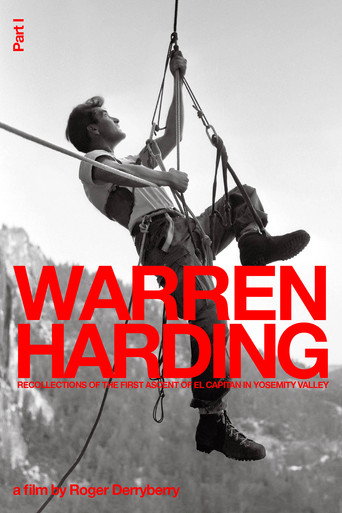
Warren Harding - Recollections of the First Ascent of El Capitan in Yosemity Valley
On November 12, 1958, nearly a year and a half after planting his first piton, Warren Harding climbed to the summit of El Capitan, the legendary face of Yosemite, which he became the first to climb via the equally legendary Nose route. An extraordinary undertaking closer to a heavy Himalayan expedition than to rock climbing. Climbing mainly on weekends in the fall and spring with companions whose level of skill was of little importance to him, Warren Harding spent a total of 47 days (spread over 17 months) on the face. 675 pitons (including 125 expansion pitons) and several thousand hammer blows were necessary to build his legend, despite the displeasure of the "Christians of the valley," as he somewhat sardonically nicknamed Royal Robbins and his cronies, who swear by style.
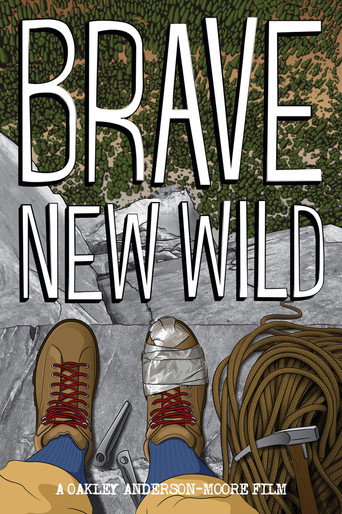
Brave New Wild
BRAVE NEW WILD is an offbeat chronicle of America’s Golden Age of rock climbing before and after the controversial ascent of the Dawn Wall in 1970. Some forty years later, Oakley Anderson-Moore, the daughter of a pioneering climber, stumbles upon her father's old hi8 tapes, and sets out to answer the question: why climb when there's nothing to gain -- and everything to lose? Wry humor and an eclectic original soundtrack punctuate the delinquent antics of the Vulgarians in the ‘Gunks, the larger-than-life rivalry of Yosemite’s rock gods, and the fruit tramping, freight train hopping hobodom of her dad’s climbing life. This film is quintessential viewing for those who long for adventure.
Gallery