Acting
No biography available.
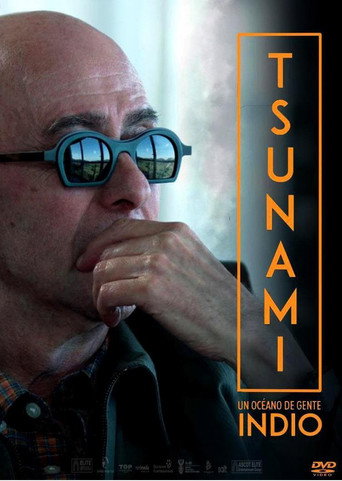
An inside look into the world's biggest moshpit, and Indio Solari, the artist that makes it happen.
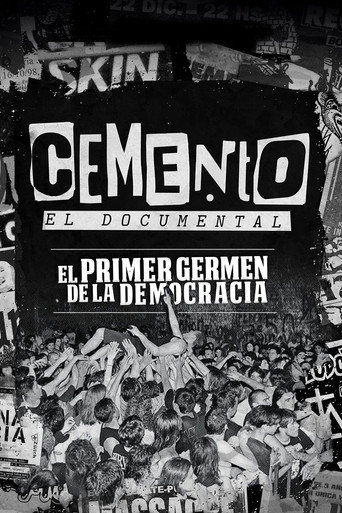
CEMENTO lived for nineteen years that spanned three key decades for the democratic history of Argentina. How much of relevance is the rock in this adventure of living in real democracy is difficult to estimate, but rock denounced, rock was containment, rock was a source of pride. Rock is culture and had a house where it developed, CEMENTO. We make CEMENTO - The Documentary - because we think that a people that forgets its milestones is a people destined to fail. We want to reflect in audiovisual format what CEMENT was, its origins, its facilities, the public opinion, its anecdotes and its imprint in the culture, narrated by musicians, producers and workers who gave it life.
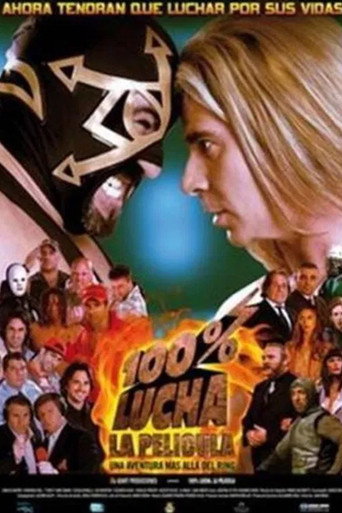
Koshe Plostenko, a mafia man, is in charge of an underground fight club. In the name of his business, he proposes to kidnap the professional fighters of 100% Lucha so that they fight in his club.
The seminal Argentine punk rock group Attaque 77 deserved a feature film that portrayed their nearly thirty years on stage, and that's how "More than a million" was born, a title that alludes to one of the band's songs and their intention to continue in the history.
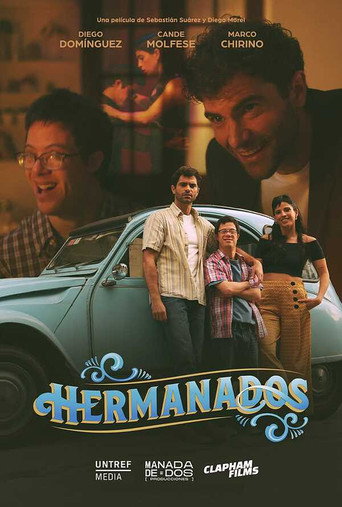
Antonio is a young man with Down syndrome who lives in a room in his neighborhood club; The buffet is also served there, always with a smile. But, in a matter of days, her routine is affected by a series of drastic turns: not only does she receive a million-dollar inheritance, but her mother dies suddenly and she meets a lawyer who seeks to take advantage of the situation. It is not illogical to believe that tenderness no longer has a place in cinema. At least an idea of tenderness that can be thought of as outdated: one linked to solidarity and empathy in extreme circumstances.
Ten years after the terrorist attack on the AMIA, this documentary highlights unknown aspects, as well as links to the terrorist attack on the Israeli embassy.
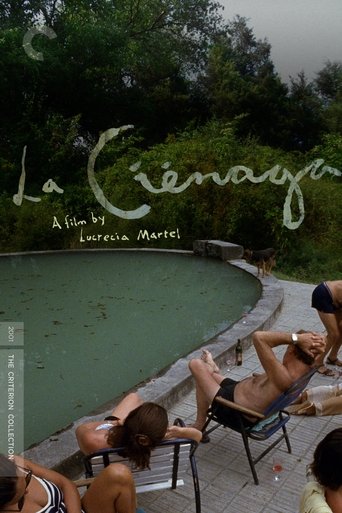
Amid the sweltering summer heat in northern Argentina, two middle-class families retreat to a crumbling country estate and a modest townhouse, where strained relationships, simmering tensions, and the presence of children and servants quietly expose the fractures of family life. Between idle days, gossip, and unspoken desires, the boundaries of class, tradition, and faith are reflected in their everyday interactions.
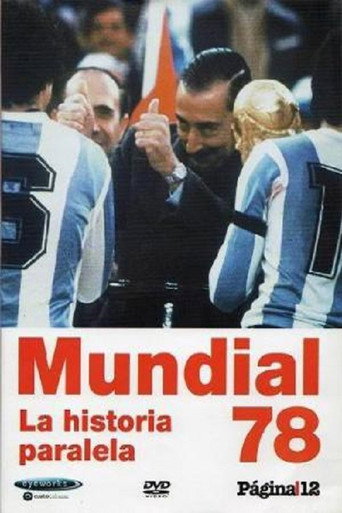
The documentary reveals the narcotic effect the '78 World Cup had on Argentine society, when Kempes' goals masked the horrors of the dictatorship. Recalling the attitudes of Adolf Hitler at the 1936 Berlin Olympics and Benito Mussolini during the 1934 World Cup in Italy, the film argues that the 1978 World Cup was "one of the most blatant political exploitations in the history of sport." Through previously unseen testimonies, survivors' accounts, and previously unreleased archival footage, the film portrays the contradictory duality between the euphoria of a people passionate about football and the simultaneous horror suffered by the victims of a bloody dictatorship.