Directing
No biography available.
Slovak director Marek Kuboš has not shot a film in 13 years. His first film ever – a student exercise at film school – was a self-portrait. The circle is closed, the source of creativity has seemingly dried up. All that is left to do in the last self-portrait is to clean up after oneself, to recapitulate one’s successes and failures, and to bid farewell to one’s protagonists. This introspective meta-documentary is not so much a study of a creative crisis as it is a self-therapeutic process and an attempt at offering a comprehensive profile of the filmmaker at a time of unstable certainties. Appearing in the role of Kuboš’s consultants are essentially all leading Slovak documentary filmmakers.
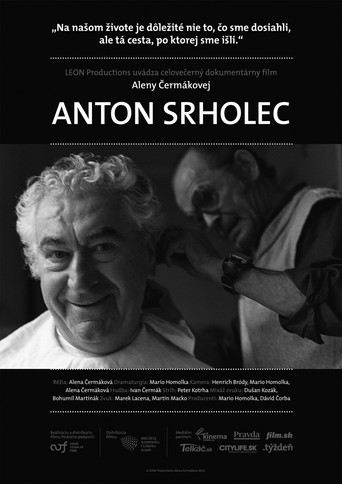
Documentary film about the life journey of Anton Srholec, a man who never abandoned his principles - to love people and God, despite the circumstances of life and to fight for a better world in the midst of a broken world.
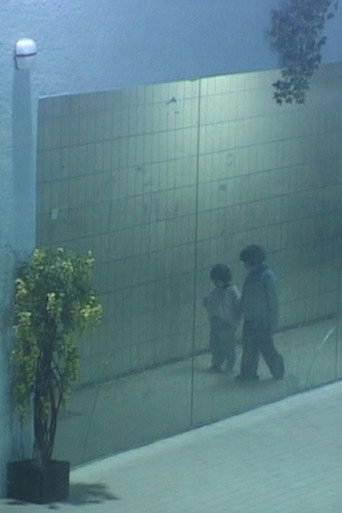
A documentary film from the refugee camp in Belgrade. Hundreds of Kosovo Serbs and Roma have been living temporarily for years on the deck of the Pinki sports hall, and next to them, often separated only by glass, Belgraders relax and play sports.
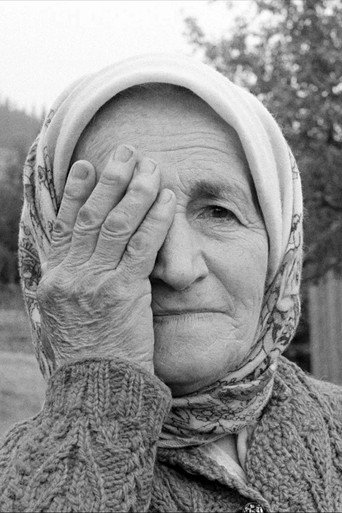
Vignettes of life in the village Kryvorivnya in the Carpathian Mountains of Ukraine, where once the novel "Shadows of Forgotten Ancestors" was written and later filmed and where, to this day, the passage of time has its own pace.
An ocean stood between Baba and her grandson, so she did the only thing she could: she became a whale and swam to him.
A film about homes on both sides of an ocean.
When I first arrived in America, (from my native Slovakia), I neither spoke nor understood a word of English and I soon found myself in the position of a mute creature. Perhaps it was this experience of muteness that inspired me to make a film about America from the perspective of a creature that neither speaks nor understands this country’s language or ways. Dogs can’t speak, but they can tell a lot about the society in which they live. About Dogs and People is an account of my journey across America to explore its’ canine culture. The film is made in the form of an essay: it uses authentic footage, but presents the material in a subjective way. Derived from my experience with non-verbal communication, the film “speaks” through imagery, using the vocabulary of archetypal gesture, tone, melody and rhythm.