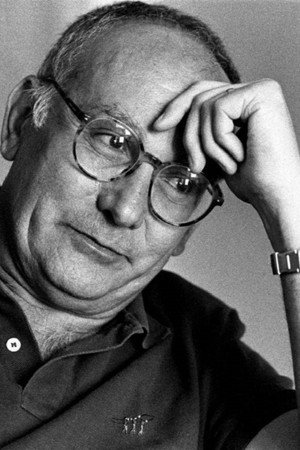
Mario Camus Movies, TV Shows, and Filmography
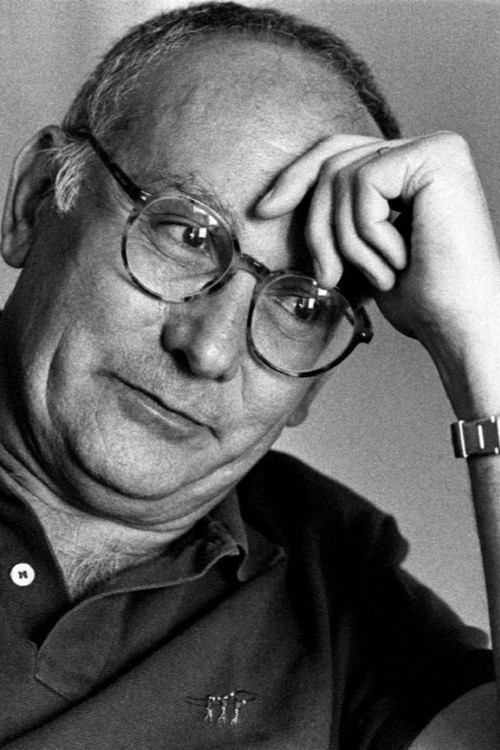
Mario Camus
Directing
Biography
Camus started studying Law, but soon left his studies to enter the IIEC (now EOC) in 1956, where he got a director's diploma in 1963 with the training film El borracho (1962) and, finally, ended up as a professor. He worked with Carlos Saura in several screenplays during the early 60s (The Delinquents (1960), Llanto por un bandido (1964)), and also directed some shorts. His first feature films were Los farsantes (1963) and Young Sánchez (1964), a film about boxing -one of his passions- which won the Best Film Award at the Buenos Aires Film Festival in 1964. This way he started a three decade filmography full of great works, varying from romantic comedies and musicals to splendid adaptations from famous novels, as is the case of the prestigious TV series Fortunata y Jacinta (1980) or the film La colmena (1982), which won the Golden Bear Award at the Berlin Film Festival. In 1983 he was given the 'Medalla de Oro de las Bellas Artes' (Arts Gold Medal), and one year later he prepared his most successful work both with public and critic: The Holy Innocents (1984), an adaptation from the novel by Miguel Delibes. This film won the Best Actor Award for Francisco Rabal and Alfredo Landa (ex- aequo) at the Cannes Film Festival. It also won the 'Premio Nacional de Cinematografía' (National Cinematography Award) in 1985 and the 'Chevalier de l'Ordre des Arts des Lettres' Award in 1986. Camus's filmography combines films made with others with a more personal style, where he tells stories closer to him that let him go through less worn themes. That is the case of Con el viento solano (1966), Los pájaros de Baden-Baden (1975) or Los días del pasado (1977). In the 90s he continued working with great actors and telling dramatic stories made up from complex characters living rebel or broken lives, or entering other genres like noir. Examples of this stage are La rusa (1987), Después del sueño (1992), Sombras en una batalla (1993) and Adosados (1996), a film which won the International Critic Award. He was married to Concha Bergareche from 1961 - 2016, date of her death. They had 7 children. - IMDb Mini Biography By: Miguel Ángel Díaz González
Filmography Movies
Acting
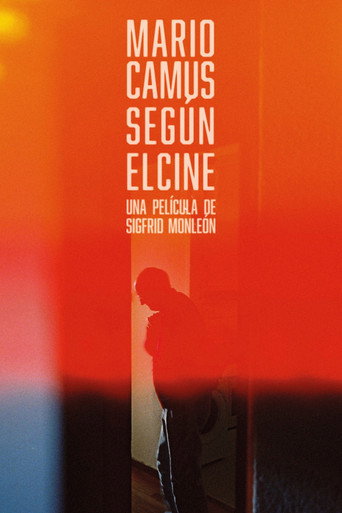
Mario Camus según el cine
A look at the life and work of Spanish filmmaker Mario Camus (1935-2021).
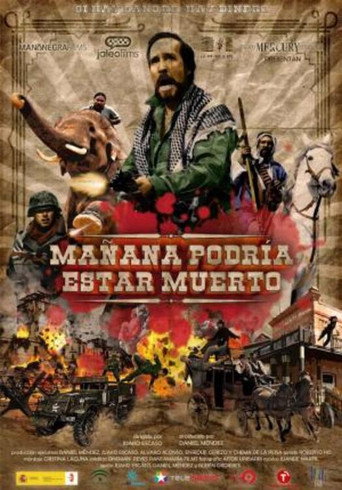
Mañana podría estar muerto
No blood, no money! Fights, acrobatics, jumps and death were the daily routine of the "old school" Spanish stuntmen and their coordinators. Their profession did put a price on their lives: the higher the risk, the higher the reward.
Production
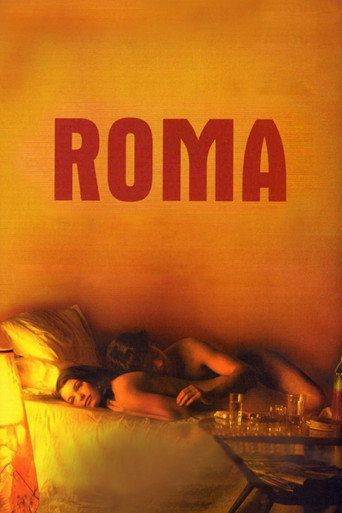
Roma
Joaquín Góñez, a novelist in his sixties recalls his emotions, his wild years in Buenos Aires, the memories of old friends, the meaning of loyalty and the intimate relationship with his mother, Roma.
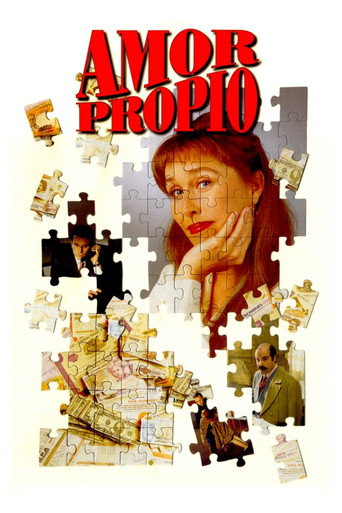
Self Esteem
A woman married to a bank director sees how her life is destroyed in a matter of hours when the police discovers that her husband has escaped with money from the bank.
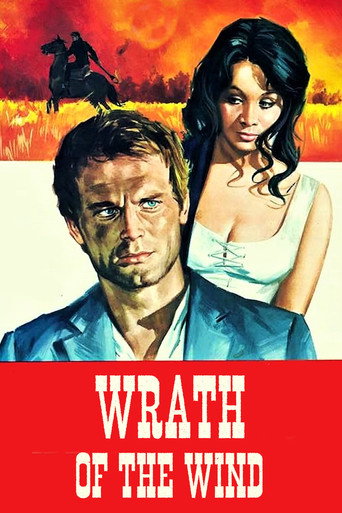
Wrath of the Wind
A mute gunslinger takes on an oppressive landlord in 19th century Valencia and falls in love with a local woman.
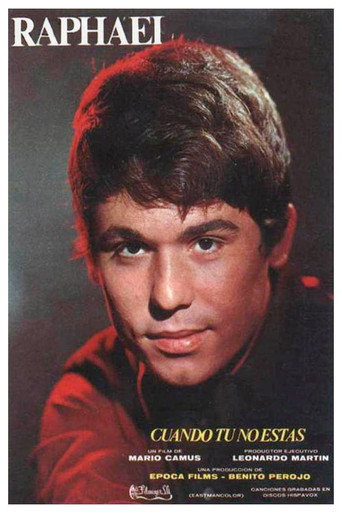
When You Are Not Here
The film is slightly autobiographical, Raphael is trying to find fame and fortune as a popular singer in Spain until he teams up with an up and coming Spanish composer which helps him become a popular singer in Spain.
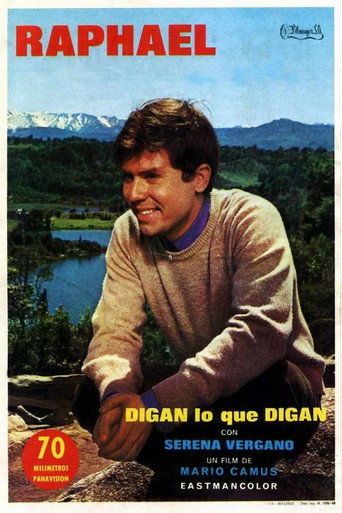
Let Them Talk
Raphael plays a singer who searches for his classical pianist brother in Buenos Aires, with the brother eventually revealed playing in the squalid bar.
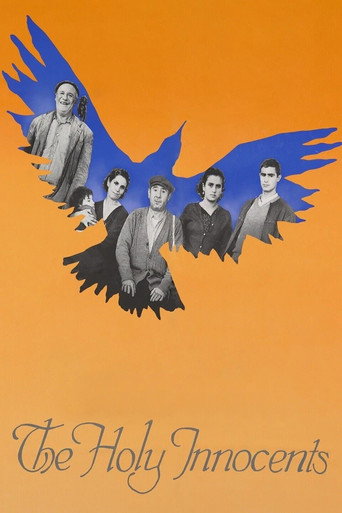
The Holy Innocents
In 60s Extremadura, Paco el Bajo and his relatives work during day in a farmhouse, and silently suffer submission to their masters, who exploit them and treat them almost like animals. Meanwhile, Paco dreams that one day his children will be able to study.
The Holy Innocents
In 60s Extremadura, Paco el Bajo and his relatives work during day in a farmhouse, and silently suffer submission to their masters, who exploit them and treat them almost like animals. Meanwhile, Paco dreams that one day his children will be able to study.
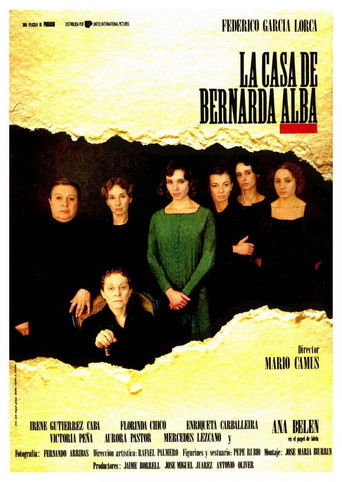
The House of Bernarda Alba
After the death of her husband Bernarda Alba puts her daughters under a rigurous mourning which does not even allow them to leave the house.
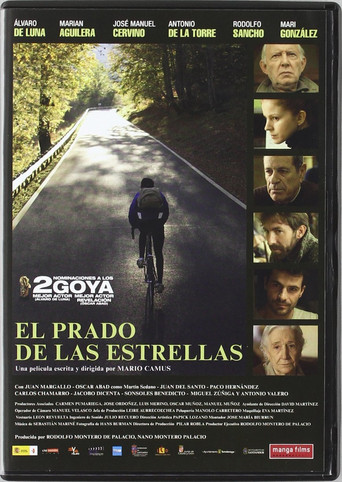
El prado de las estrellas
Alfonso is a retiree who visits Nanda, an elderly woman who was like his mother when he was orphaned, at a residence where Luisa, a young social worker, works. One morning, collecting snails in the Prado de las Estrellas, Alfonso meets a young man who emerges from the mist on his bike. Thereafter a friendship is born between the old master and the promising young cyclist. Alfonso, supported by his friends, without equipment or sponsors, will make a great champion from Martin, and most importantly, a great guy.
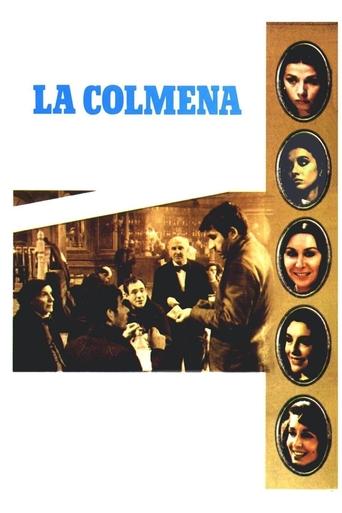
The Beehive
As in the novel of the same title from Camilo Jose Cela, "La Colmena" is a sad composition with the stories of many people in the Madrid of 1942, just the postwar of the spanish civil war. The main theme of the film is the contrast between the poets, surviving close to misery under the Franco's regime, and the winners of the war, the emerging class of the people that makes easy money with illegal business.
Gallery