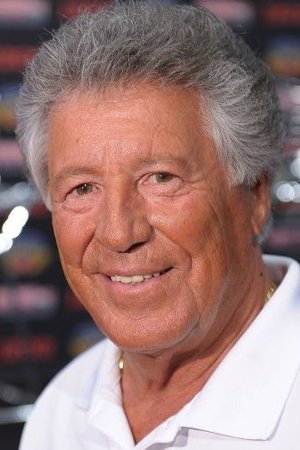
Mario Andretti Movies, TV Shows, and Filmography
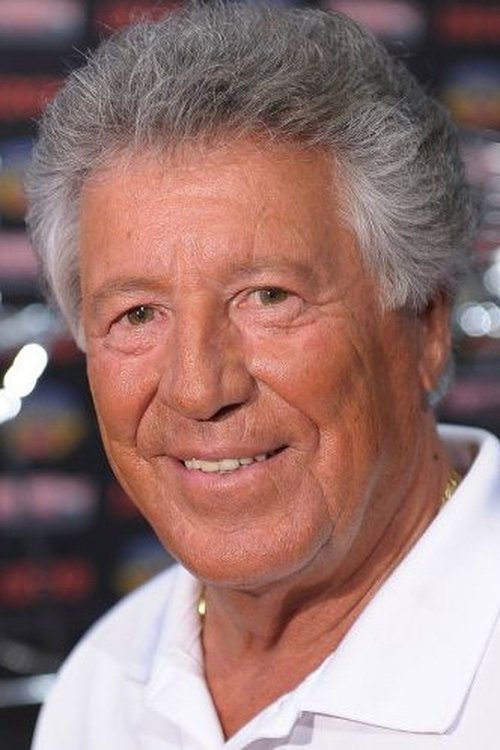
Mario Andretti
Acting
Biography
From Wikipedia, the free encyclopedia. Mario Gabriele Andretti (born February 28, 1940) is a retired Italian American world champion racing driver, one of the most successful Americans in the history of the sport. He is one of only two drivers to win races in Formula One, IndyCar, World Sportscar Championship and NASCAR (the other being Dan Gurney). He also won races in midget cars, sprint cars, and drag racing. During his career, Andretti won four IndyCar titles (three under USAC-sanctioning, one under CART), the 1978 Formula One World Championship, and IROC VI. To date, he remains the only driver ever to win the Indianapolis 500 (1969), Daytona 500 (1967) and the Formula One World Championship, and, along with Juan Pablo Montoya, the only driver to have won a race in the NASCAR Sprint Cup Series, Formula One, and an Indianapolis 500. No American has won a Formula One race since Andretti's victory at the 1978 Dutch Grand Prix. Andretti had 109 career wins on major circuits. Andretti had a long career in racing. He was the only person to be named United States Driver of the Year in three decades (1967, 1978, and 1984). He was also one of only three drivers to win races on road courses, paved ovals, and dirt tracks in one season, a feat that he accomplished four times. With his final IndyCar win in April 1993, Andretti became the first driver to win IndyCar races in four different decades and the first to win automobile races of any kind in five. In American popular culture, his name has become synonymous with speed, similar to Barney Oldfield in the early twentieth century and Stirling Moss in the United Kingdom. Description above from the Wikipedia article Mario Andretti licensed under CC-BY-SA, full list of contributors on Wikipedia.
Filmography Movies
Acting
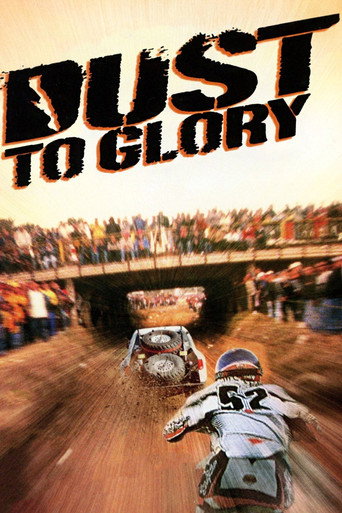
Dust to Glory
An action-adventure documentary chronicling the most notorious and dangerous race in the world--the Tecate SCORE Baja 1000. Rivaling the Indy 500 and 25 Hours of Daytona, the race across Baja's peninsula is unpredictable, grueling and raw--just like the uncharted American West of yesteryear.
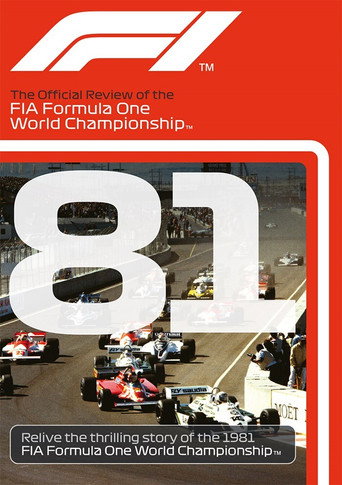
1981 FIA Formula One World Championship Season Review
This fascinating record of one season of Grand Prix racing is the first ever FOCA review programme and sets the high standard for which these programmes have since been renowned. From the first green light at West Long Beach the season is charged with controversy. The aerodynamic "skirts" have gone and new hydraulic devices are in place. Carbon fibre bodies appear as the F1 cars get re-invented during the winter months.
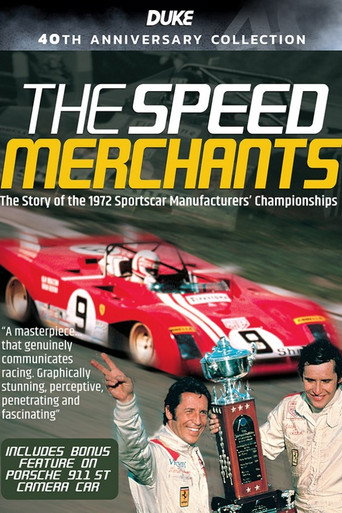
The Speed Merchants
The Speed Merchants is the story of the 1972 manufacturer's Championship Series as told by drivers Mario Andretti (Ferrari 312P) and Vic Elford (Alfa Romeo T33TT/3). The film takes you behind the scenes at Daytona, Sebring, the Targa Florio, the Nurburgring, Le Mans and Watkins Glen, focusing on Mario and Vic, as well as Jacky Ickx, Helmut Marko, and Brian Redman. You visit with the drivers at their homes in France, Belgium, Austria and England where they relax with their families between races. Woven into the film is rare footage of both the Ferrari and Alfa Romeo factories where the cars are prepared before each race.
Turbo
The tale of an ordinary garden snail who dreams of winning the Indy 500.
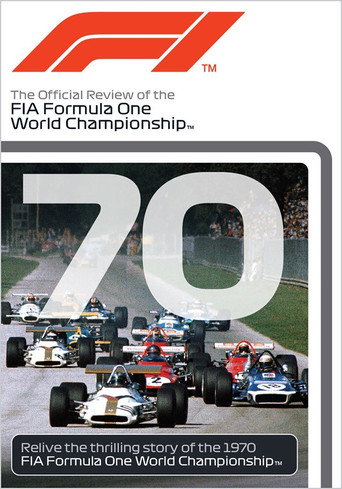
1970 FIA Formula One World Championship Season Review
1970 was the year of transition in Grand Prix racing; the season that pitched the old guard against a feisty new breed of racers intent on pushing Formula One forward into the new decade. Nothing symbolised this battle more than the cars used by top contenders: Jacky Ickx’s Ferrari 312B relied on brute force to compensate for its outdated styling, whereas Jochen Rindt’s Lotus 72 showed that radical aerodynamics represented a brave and (potentially) faster way forward. And with the technological battles came a fascinating season’s racing. Jackie Stewart was the defending champion but took nothing for granted. When different drivers won the first four races, Stewart, and the world, knew that the Championship was wide open. Thrilling battles ensued until triumph and tragedy came together in one fatal collision: on the 5th of September 1970 Championship leader Jochen Rindt died during practice at Monza. He was to become the sport’s first posthumous champion.
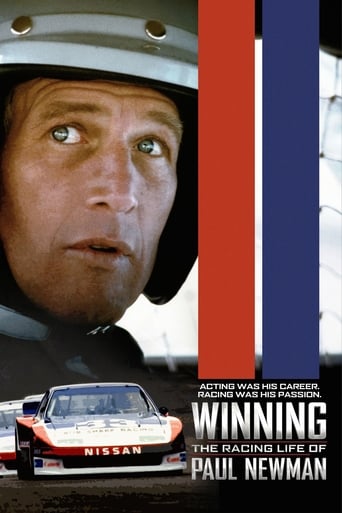
Winning: The Racing Life of Paul Newman
The world knows Paul Newman as an Academy Award winning actor with a fifty-plus year career as one of the most prolific and revered actors in American Cinema. He was also well known for his philanthropy; Newman's Own has given more than four hundred and thirty million dollars to charities around the world. Yet few know the gasoline-fueled passion that became so important in this complex, multifaceted man's makeup. Newman’s deep-seated passion for racing was so intense it nearly sidelined his acting career. His racing career spanned thirty-five years; Newman won four national championships as a driver and eight championships as an owner. Not bad for a guy who didn't even start racing until he was forty-seven years old.
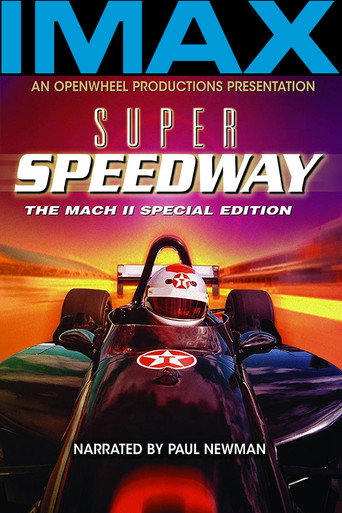
Super Speedway
We follow the Newman-Haas (Andretti) racing team through the process of building, testing, and racing for a season. This includes extensive race speed on-track footage, including some pre-race footage with a full squad of cars. From time to time, we check in with a small shop building/restoring one of the first roadsters Mario Andretti raced; the finale includes him taking it for a spin.
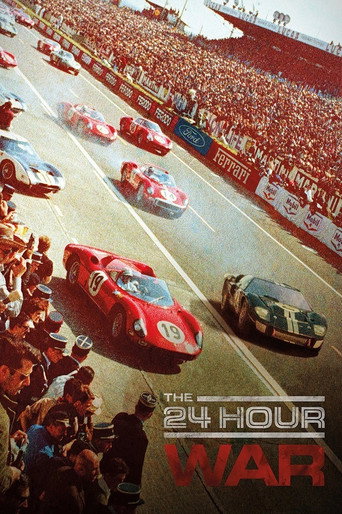
The 24 Hour War
In the early 1960s, Henry Ford II and Enzo Ferrari went to war on the battlefield of Le Mans. This epic battle saw drivers lose their lives, family dynasties nearly collapse, and the development of a new car that changed racing.
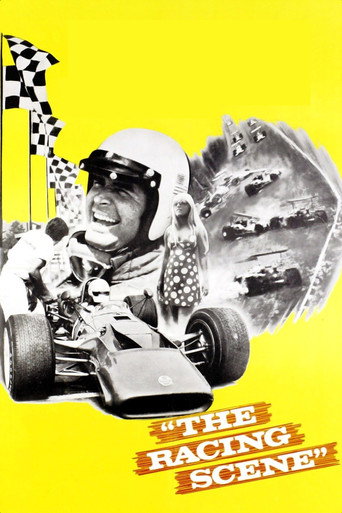
The Racing Scene
The story of James Garner's year with his racing team, from the time he bought the car, and assembled his team through Mexico, England, Florida and Canada.
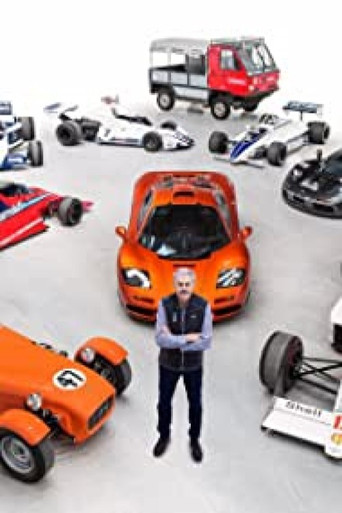
How to Go Faster and Influence People: The Gordon Murray F1 Story
In the secretive world of F1 designers, Professor Gordon Murray is a legendary figure. Having spent 40 years designing one innovative car after another, his portfolio includes the most successful F1 car ever raced and what is widely considered to be the greatest sports car of all time. But today Professor Murray has set himself even more challenging goals as his focus turns from racetrack to public road.
Gallery