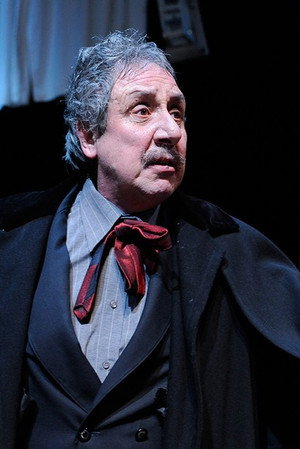
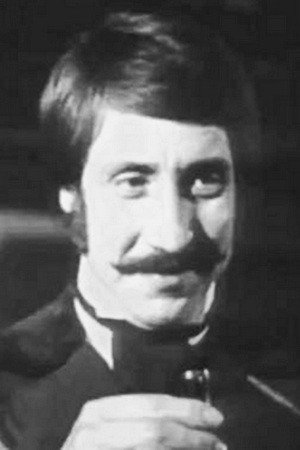
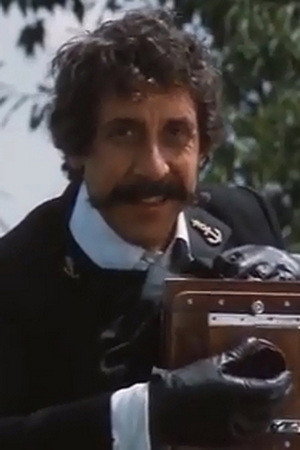
Marin Yanev Movies, TV Shows, and Filmography
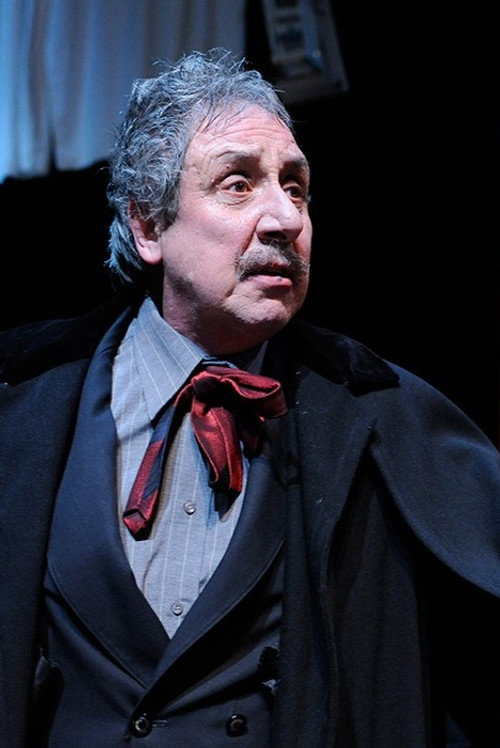
Marin Yanev
Acting
Biography
Marin Yanev graduated from the National Academy for Theatre and Film Art, Sofia, Bulgaria in class of Metodi Andonov in 1967. He has worked in Varna Drama Theater, Plovdiv Drama Theatre, New Theatre "Tears and Laughter". Among the theatrical roles are: Earmuffs in "Comedy of Errors" by Shakespeare, Mac Murphy in "One Flew over the Cuckoo's Nest" by D. Wasserman. Since 1985 he is in the troupe of the National Theatre "Ivan Vazov", where the main roles are: Henry in "Fireplace" by Margarit Minkov, Lord in "Church of Wolves" by Petar Atanasov, Bubnov in "The Bottom" by Maxim Gorky, Physician in "Macbeth" by Shakespeare, Professor Santana in "Ghosts in Naples" by Edward de Filippo, Preskovich in "Santa Claus is crap" from Zhozian Balasko, Messenger from Corinth in "Oedipus Rex" by Sophocles, Artist in "Makbed" by Eugene Ionesco, Spiridon in "Day Off" by Kamen Donev, La Farr in "King Lear" by Shakespeare, Olivares in "Doomed souls" by Dimitar Dimov, Anuchkin in "Marriage" by Nikolay Gogol, Teacher in " The Peach Thief". Marin Yanev is the winner of the Prize "Asker 1998" for Best Supporting Actor for the Lord in the "Church of Wolves" and the Best Actor Award of Union of Bulgarian Artists for Mac Murphy in "One Flew over the Cuckoo's Nest." He participated in Bulgarian classic films such as "The Goat Horn", "Tree Without Roots," "Where do you live?" His last performance is in the film "Buffer Zone".
Filmography Movies
Acting
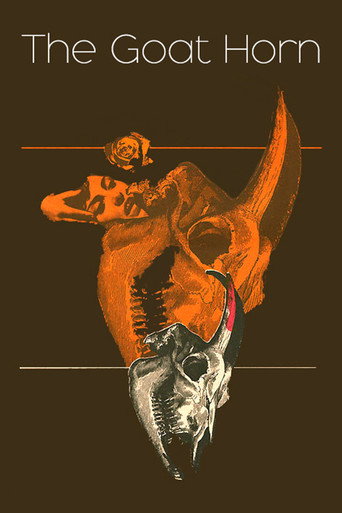
The Goat Horn
XVII century, Bulgaria is under Ottoman rule. Four men break into the house of the shepherd Karaivan, raping and killing his wife in full view of their child, Maria. To protect his daughter and to enact revenge, he raises Maria as a son, teaching her to fight and kill. But as Maria grows up, she longs for a different life.

Eva on the Third Floor
Gynecology clinic in Sofia, Bulgaria. On one of the floors several women are waiting for their turn to get an abortion. And on the other floor, four older women struggle to preserve the life they carry. Toni must decide whether to give birth to a child who will not have a father.
I've Been Waiting For You
Nurse Nikolova takes care of the elderly. She faces various human destinies. Her patients spend the rest of their lives alone. They seek from her what they have not received from their own children. They love her. Nurse Nikolova touches on the complex problems of human existence.

Book of the people
In the last week of her summer trip to her dead grandmother's village, librarian Slavina is faced with a difficult choice. Either throw away the books of the village, obeying the corrupt regulations of the chief ì Dimitrova, or save the only source of information for the elderly population, vowing to exile in the village where time has stood still for 40 years.
Vaskata
On a bright day loudspeakers blare out choral songs which blend with the marches played by brass bands. A light plane scatters leaflets. Everybody stretch out their hands to catch the falling pieces of paper and look up smiling. Several leaflets fly by the wall, which has a memorial plague, fixed on it: "Vaskata, an antifascist resister, died here in 1942."
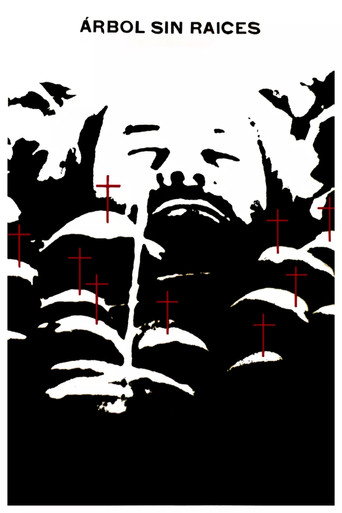
Rootless Tree
Having remained alone in his village house, old Gatyo must move in with his son and daughter-in-law in their flat in the city. They receive him with great understanding and sympathy but cannot find the key to his heart. Torn out of his natural environment and left bewilderingly rootless, this good man cannot adapt himself to the urban way of life. He does not like the mayonnaise he is offered, does not know how to use the lift. The people hurrying in the streets seem to him indifferent, and some even sly and deceitful. He sees the city as a place full of hostile people and inanimate objects. He badly misses the warm human touch of his village. Death is the only possible solution to the tragic conflict of this peasant, crucified between the archaic and the modern, and unable to adapt to the urban lifestyle.
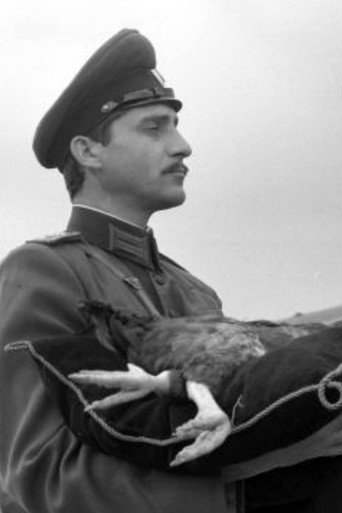
The Penleve Case
The three grotesque novels whose action takes place at different times of the recent past are united by a common thematic key – their protest against violence and militarism, expressed by means of a kind of absurd humor.

Karambol
In a large provincial town, two friends Nasko and Raycho meet Emil, a conductor in the opera, who introduces them to Ana, an opera singer. Nasko and Ana fall in love. Nasko has to write a story for the newspaper about the irregular enrollment in college of Aneliya, the daughter of the local bigwig. A well-known director arrives from the capital for an opera premiere and makes advances to Ana. Aneliya comes to demand an explanation in Nasko's home. Ana finds her there and decides to take her revenge on him. She becomes intimate with the director. The story about the Aneliya case is ready, but as desk editor is drunk, Nasko fakes his OK signature. He sham is discovered. The relationships between the erstwhile friends are marred by insincerity, falsehood, tacit intrigues. Nasko plucks up courage to tell his friends the truth. In this way, he wins back Ana's love and he boy's trust.
Gunpowder
The police trucks and the piled up dead partisans in the village square shatter the peace of the village. The people manage to not only bear these extreme conditions, but also manage to take part in history. An army blocks off the village. Arrests and interrogation are common. The partisans are hiding in the forest. One of the soldiers manages to run off to them. The pot maker is among their aids and is killed while completing a mission.
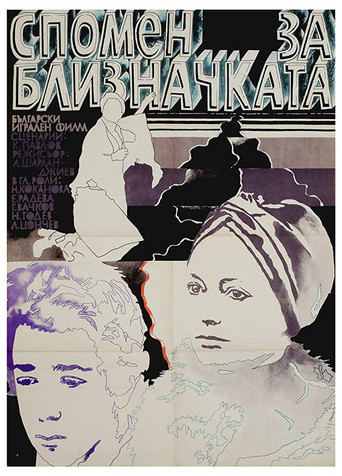
Memories of the Twin Sister
A family evacuates to the Bulgarian countryside during World War II
Gallery