Writing
No biography available.
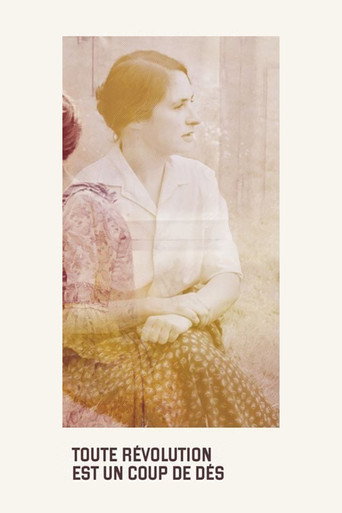
A tribute to Mallarmé that not only asserts the continuing relevance of his work but also confronts its literary ambiguities with political and cinematic ambiguities of its own. In outline, the film could not be more straightforward: it offers a recitation of one of Mallarmé’s most celebrated and complex poems (it was his last published work in his own lifetime, appearing in 1897, a year before his death) and proposes a cinematic equivalent for the author’s original experiment with typography and layout by assigning the words to nine different speakers, separating each speaker from the other as she or he speaks, and using slight pauses to correspond with white spaces on the original page.
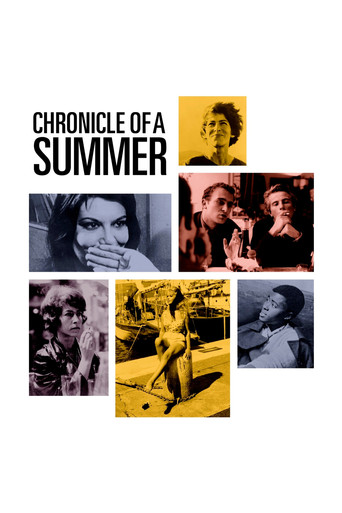
Paris, summer 1960. Anthropologist and filmmaker Jean Rouch and sociologist and film critic Edgar Morin wander through the crowded streets asking passersby how they cope with life's misfortunes.
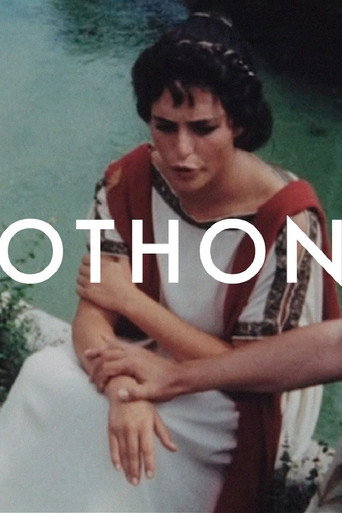
Straub-Huillet’s first color film, adapts a lesser-known Corneille tragedy from 1664, which in turn was based on an episode of imperial court intrigue chronicled in Tacitus’s Histories. The costuming is classical, and the toga-clad, nonprofessional cast performs the drama’s original French text amid the ruins of Rome’s Palatine Hill while the noise of contemporary urban life hums in the background. Their lines are executed with a terrific flatness and frequently through heavy accents; the language in Othon becomes not merely an expression but a thing itself, an element whose plainness here alerts us to qualities of the work that might otherwise be subordinated.
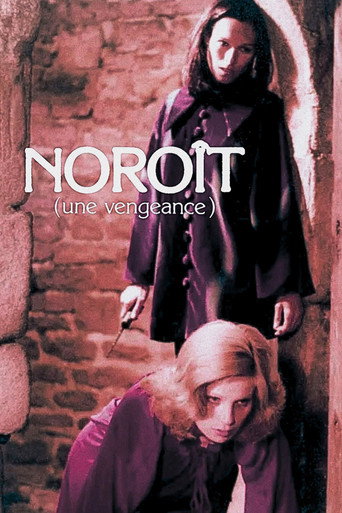
After her brother was killed by a notorious all-female pirate gang, Morag dedicates her life to bringing the murderers to justice. Soon, she has become an important member of the pirate gang and has begun acquiring the loyalty of key members. Eventually, she makes her move and challenges the leader, a demi-god, known as "The Daughter of the Sun."
A playwright offers two actress friends the chance to appear in his new, unfinished play, which consists of only one female part.
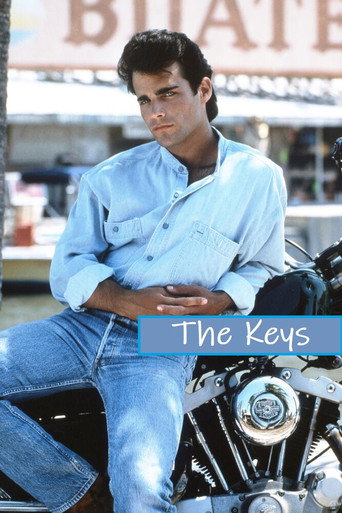
Brothers, shipped off by their divorced New York mom to live with their businessman dad in the Florida Keys, find him caught up in a land war against a drug lord and developer who wants to build a massive casino complex.
Two enigmatic women separately arrive in Paris, both with a hidden but shared motive. As they navigate the city and their search progresses, various characters become entangled in a conflict, which increasingly comes to take a fantastical turn. These characters too, driven by their own desires, strive for their own goals in the struggle. From a Paris, drenched in an otherworldly ambiance, a tale of desire and power emerges through mystery and secrets.
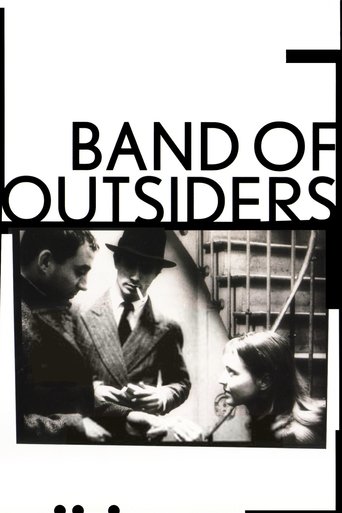
Cinephile slackers Franz and Arthur spend their days mimicking the antiheroes of Hollywood noirs and Westerns while pursuing the lovely Odile. The misfit trio upends convention at every turn, be it through choreographed dances in cafés or frolicsome romps through the Louvre. Eventually, their romantic view of outlaws pushes them to plan their own heist, but their inexperience may send them out in a blaze of glory -- which could be just what they want.
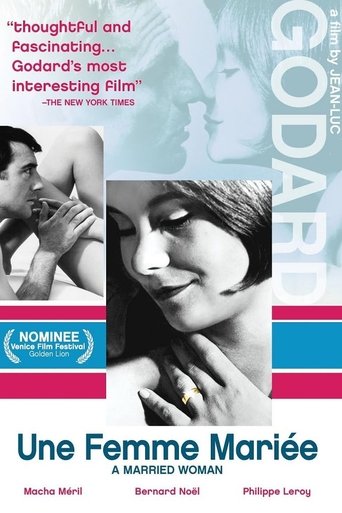
A superficial woman finds conflict choosing between her abusive husband and her vain lover.
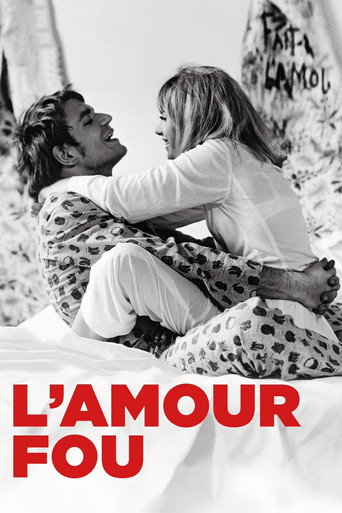
A troubled marriage is tested by the couple's involvement in a theatrical production of Racine’s Andromaque.
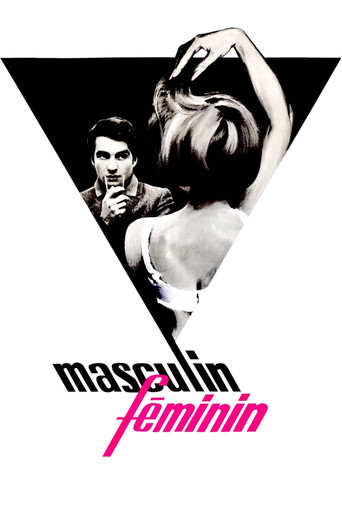
Paul, a young idealist trying to figure out what he wants to do with his life, takes a job interviewing people for a marketing research firm. He moves in with aspiring pop singer Madeleine. Paul, however, is disillusioned by the growing commercialism in society, while Madeleine just wants to be successful. The story is told in a series of 15 unrelated vignettes.
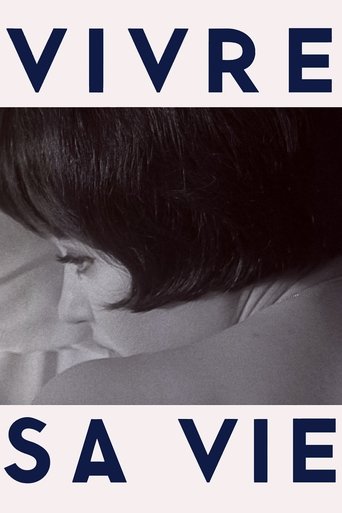
Twelve episodic tales in the life of a Parisian woman and her slow descent into prostitution.