Marie-Pierre Casey Movies, TV Shows, and Filmography
Marie-Pierre Casey
Acting
Biography
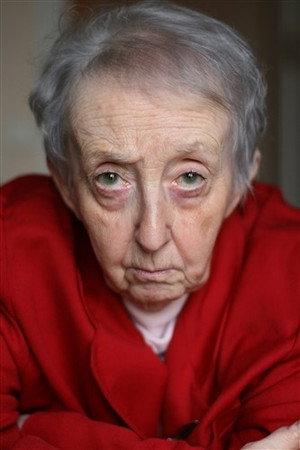
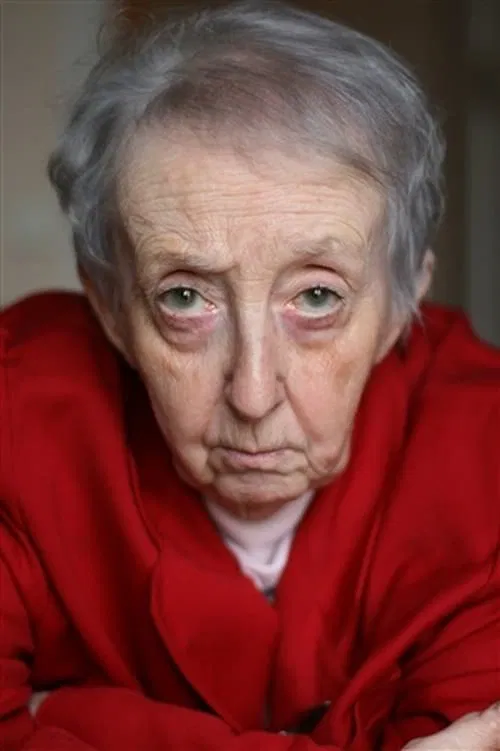
Marie-Pierre Casey is a French actress, born on 24 January 1937 in Creusot, Saône-et-Loire. Marie-Pierre Casey was born on 24 January 1937 in Le Creusot. From the age of nine, she was educated at a boarding school in Charolais with her sister. It was there that she discovered her passion for theatre. Her first role was Doc, the leader of the seven dwarfs in the Grimm brothers' fairy tale Snow White and the Seven Dwarfs, performed for the end of year celebration organised by the nuns. She studied at the Conservatoire de Lyon and at Cours Simon in Paris, before starting at the cabarets of the Rive Gauche. In the early 1950s, Marie-Pierre Casey had a small role in the film Forbidden Games directed by René Clément (1952), where she appeared as a shadow. In 1960, she appeared briefly as a nurse in the film Certains l'aiment froide by Jean Bastia. In 1967, she played a cashier at the Royal Garden in Playtime by Jacques Tati. In 1970, she appeared in three movies: The Things of Life by Claude Sautet, Children of Mata Hari by Jean Delannoy, and Le Cinéma de papa by Claude Berri. In 1980, she became known across France for her role in the TV advert for the Johnson cleaning product Pledge (named Pliz in France). In the advert, Casey, dressed as a cleaning lady, sprays the product on a large board table, puts on an apron and proceeds to slide down the table on her stomach. She says "It's better that way, because I wouldn't do that every day", which made the advert a real success amongst television viewers. The role also brought her to the attention of Jean Becker, who noticed her during an advertising awards ceremony and subsequently offered her a role. Source: Article "Marie-Pierre Casey" from Wikipedia in English, licensed under CC-BY-SA.
Filmography Movies
Acting
Le gourou occidental
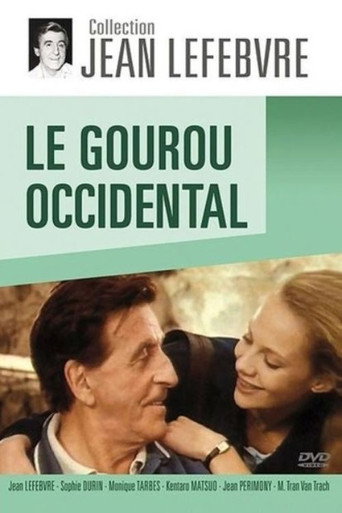
André Doirmot, colloquially called "the father André," is the quack of Montgarçin village and its surroundings. Well known and appreciated by all, he continued the family tradition. André will be required to treat and cure the leader of a Japanese trust and his nephew. The Japanese then decided to market a new product: the elixir of Father Andrew. The figure of the brave French peasant invaded the screens, posters are put up, the commercials are made in Japanese, English, American, Arabic and even Russian! But father André lost his beautiful serenity.
Retirement Home
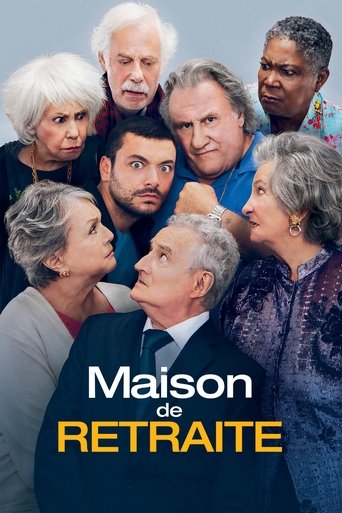
A story of friendship between a young convict who is forced to work in a retirement home and a group of crazy old people. Together they organize their escape.
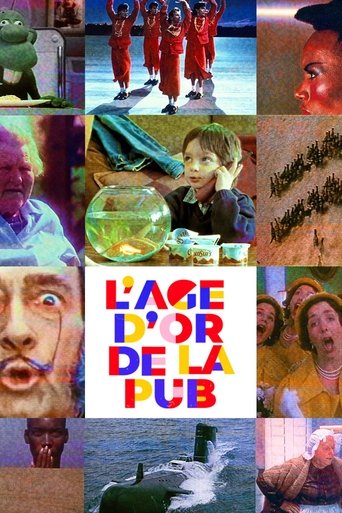
L'Âge d'or de la pub
55 years ago, on October 1 1968, the first brand advertising spot appeared on the French television screen. Over the next three decades, thousands of creative little films would seduce and build our collective memory. Kitschy or cult spots, humor, slogans, music, stars, gimmicks, grand spectacle or sex appeal: during its golden age, how did advertising convince? Thierry Ardisson has brought together almost 400 advertising clips to relive the era of the conquest of minds and wallets.
La Lucarne magique
This variety show, with its new concept, is presented as a musical comedy. Having formed an orchestra, a group of young people perform in the courtyards of an old Parisian neighborhood, hoping to earn some money. But no one listens to them. All the tenants of the building are glued to their television sets. Only one mysterious man takes an interest in the group and offers them a box of magic matches.
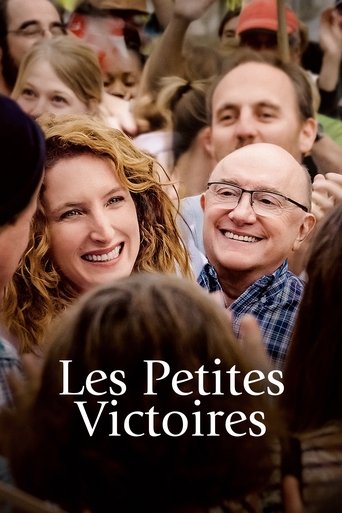
The Small Victories
Between her roles as mayor and teacher in the small village of Kerguen, Alice's days are very full. When an unexpected new student, 60-year-old Emile, finally decides to learn to read and write, her daily life threatens to become unmanageable. Especially since Alice will also have to save her village and her school...
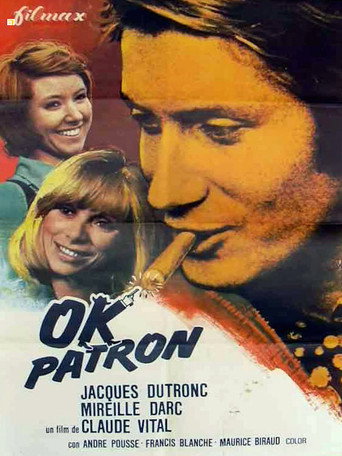
OK Patron
Mario, the head of the Mafia in France, has just been mortally wounded. His "companion" decides to find him a successor, before the New York "organization" appoints one. She instructs her two bodyguards to take on anyone who likes money, doesn't have any and, above all, doesn't want to work too hard - in short, "the average Frenchman"... They discover Léon Bonnet, a representative of "magic crosses". They send him gifts: champagne, weapons (a mistake...), a ring for his fiancée, and a meal worthy of the finest gourmets. In return, they take him to Mario's dying bedside, and have him sign over the estate. It's then that Leon, with his angelic good looks, restores order within the Mafia, surprising all his adversaries with his manners, and outwitting the police...
Na !
A group of pensioners, exasperated by the Social Security strike, meet Chalupot, a former paratrooper and ex-priest who has just been released from prison. He encouraged them to form the M.L.V. (Mouvement de Libération des Vieillards) and organize demonstrations. But as Chalupot is arrested and locked up, the pensioners plan to hold up the Social Security.
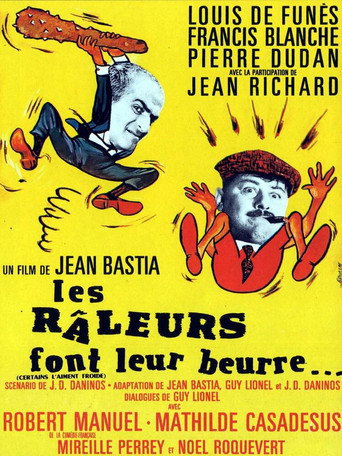
Some Like It... Cold
The old Valmorin died 200 years ago. The notary tells the family about the inheritance: the one who is terminally ill will receive the money. They all try their luck with getting ill before the other so one family member pretends to be deaf, another pretends to have a terrible back ache and so on...
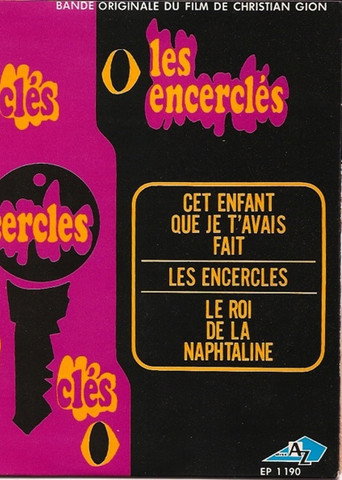
The Surrounded
Jean-Claude is a student, with Didier, at the Ecole des Hautes Etudes Generales where Violaine, Didier's sister, is a professor of sociology. These young people belong to this upper-class, snobbish bourgeoisie.
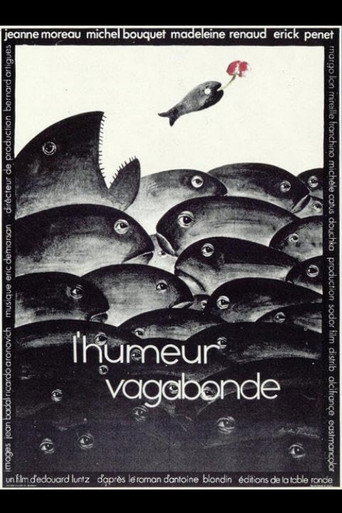
Vagabond Humor
Benoît, a young provincial, arrives in the capital. He has left his family (mother, wife and child) in his native Charente. But for him, the difference in the standard of living is trying, and he loses his bearings among this crowd of anonymous people. A young woman, Myriam, crosses his path. But the encounter is short-lived, and Benoît returns home. A tragedy has occurred.
Gallery