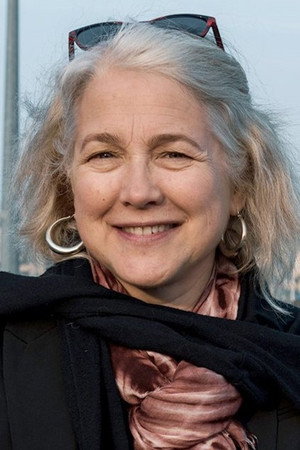
Marie-Hélène Cousineau Movies, TV Shows, and Filmography
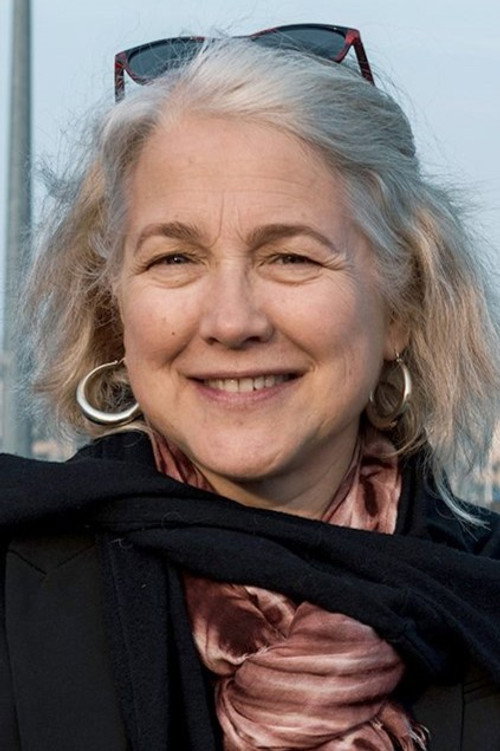
Marie-Hélène Cousineau
Directing
Biography
Marie-Hélène Cousineau is a Canadian filmmaker and producer. In 1991, she co-founded with Madeline Ivalu and Mary Kunuk Arnait Video Igloolik-based Productions (originally the Women’s Video Workshop of Igloolik).
Filmography Movies
Production
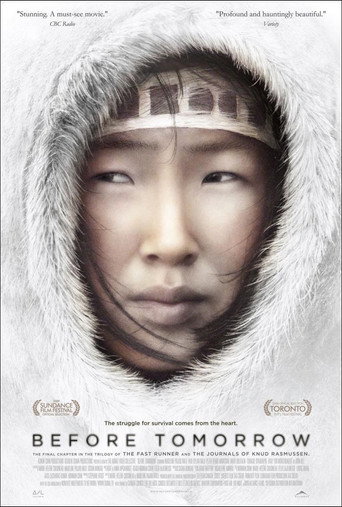
Before Tomorrow
Two isolated families meet for a summertime celebration. Food is abundant and the future seems bright, but Ningiuq, a wise old woman, sees her world as fragile and moves through it with a pervasive sense of dread. Ningiuq and her grandson Maniq are dropped off on a remote island, where, every year, the family dries the catch and stores it for winter. The task is soon finished. As summer turns to fall, they wait in vain for the others to pick them up.
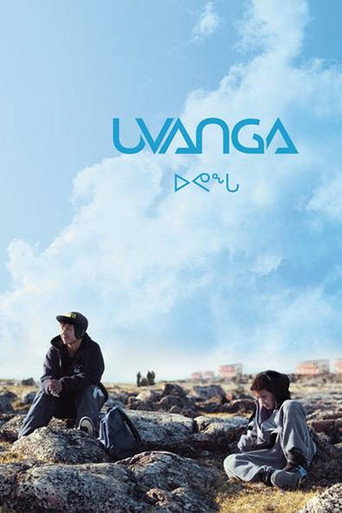
Uvanga
Anna is nervous when she and her son, Tomas, arrive in the small, close-knit community of Igloolik, in the Canadian Arctic.
Uvanga
Anna is nervous when she and her son, Tomas, arrive in the small, close-knit community of Igloolik, in the Canadian Arctic.
Uvanga
Anna is nervous when she and her son, Tomas, arrive in the small, close-knit community of Igloolik, in the Canadian Arctic.
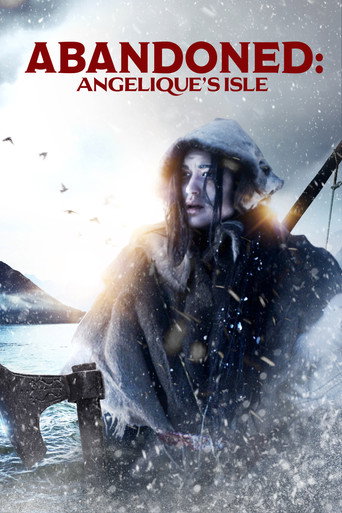
Abandoned: Angelique's Isle
Angelique's Isle is the true story of a harrowing tale of perseverance and survival that unfolds during the great copper rush of 1845, when newlyweds ANGELIQUE, a young Ojibway and CHARLIE, her voyageur husband, are left stranded and forced to survive a brutal and harsh winter on their own in the wilderness.
Sol
Sol is a feature documentary that explores the mysterious death of a young Inuit man, Solomon Uyurasuk. As the documentary investigates the truth to Solomon's death it sheds light on the underlying social issues of Canada's North that has resulted in this region claiming one of the highest youth suicide rates in the world.

Qulliq (Oil Lamp)
Women of the Arnait Video Collective reenact a traditional women's activity: the use of the qulliq. The qulliq is the seal oil lamp and stove of the old days, the only source of light and warmth. The women tell the story in words and songs as they install the qulliq in their igloo.
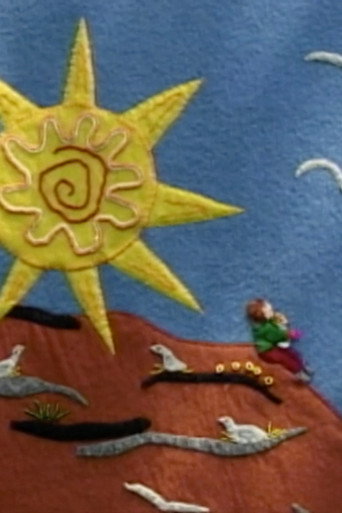
Unakuluk, Dear Little One
Rooted in tradition, adoption is a reality that all Inuit families have experienced. In Inuit culture, adopting a child from a relative, friend or acquaintance is a common practice. Marie-Hélène Cousineau, the adoptive mother of Alexandre Apak, lived in Igloolik, a small island southwest of Baffin Island in the Arctic, for many years. This documentary, which she directed in collaboration with Mary Kunuk (an old friend and colleague), explores Inuit family relations through the personal histories of women who have experienced adoption in one way or another. In a parallel thread, the film documents the creation of an intricate felt wall-hanging that depicts key moments from their lives. All skilled seamstresses, these women of Igloolik use fabric to draw, cut, and embroider their personal life stories – an intimate portrait of family ties and a vibrant illustration of the role adoption has always played in Inuit culture
Mother
The history of changes experienced by Inuit people in the last sixty years is contained in the stories of Vivi Kunuk. Abandoned by her father, a White RCMP officer, Vivi Kunuk was adopted by the Inuk family of her mother who raised her as a boy. This is but one remarkable chapter in her life. With her husband Enuki, she raised eight children living most of the year on the land. Surrounded by her grandchildren, she recounts stories about the land she knows intimately and her life's destiny on Baffin Island.
Mother
The history of changes experienced by Inuit people in the last sixty years is contained in the stories of Vivi Kunuk. Abandoned by her father, a White RCMP officer, Vivi Kunuk was adopted by the Inuk family of her mother who raised her as a boy. This is but one remarkable chapter in her life. With her husband Enuki, she raised eight children living most of the year on the land. Surrounded by her grandchildren, she recounts stories about the land she knows intimately and her life's destiny on Baffin Island.
Gallery