Directing
No biography available.
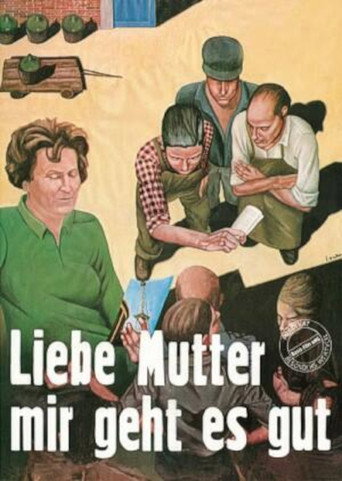
The unemployed machinist Alfred "Scheff" Schefczyk moves from Württemberg to West Berlin full of hope, where he finds a job as a transporter. There, however, he despairs at the seemingly insurmountable dependency structures and the lack of solidarity among his fellow sufferers. The rent in the workers' hostel is raised disproportionately, but nobody wants to mess things up with the landlord or janitor. At work, piecework hours are tightened, but nobody wants to go on strike, and when they do, they are quickly crushed by the management's tactics. When Scheff tries to mobilize against the dismissal of one of the delegates, he finds only one worker willing to sign. "Dear mother, I'm fine," he nevertheless writes on a postcard.
Experimental feature about a woman getting involved in radical politics.
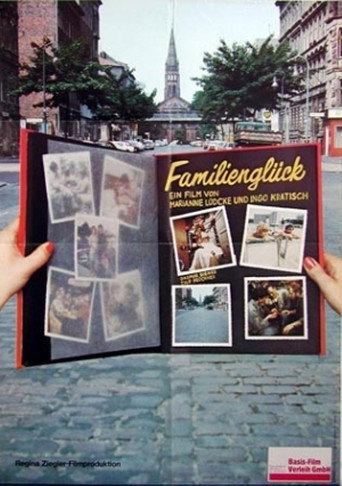
Manfred, a lathe operator, and Manuela, a seamstress, marry and try to find happiness together. They have two children in quick succession and realize that their simultaneous material advancement is beyond their strength. Marianne stops working and Manfred's position in the company deteriorates. The atmosphere between the two becomes more irritable, even more so when Marianne finds a new job. She becomes increasingly distant from Manfred, who is suspicious of her emancipation, and ends up sleeping with another man. But the two move towards each other and, after five years of marriage, find their way back together.
The relationship of a married couple in their 40s is broken when the mother has an affair with her teenage daughter's boyfriend.
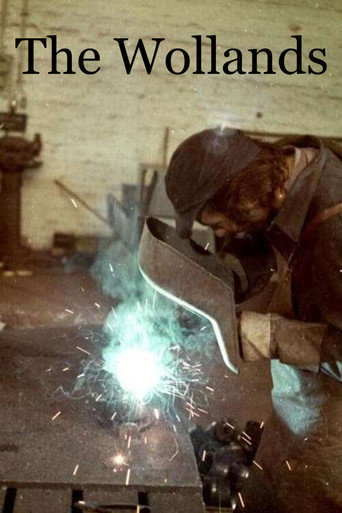
Horst Wolland is a welder in Berlin who tries to move up the career ladder to better provide for his family. He is on the verge of being promoted when the working conditions worsen, triggering a strike. Wolland stays out of it, but he also refuses to tell his manager who the strike leader is, so he is not promoted. Wolland understands what solidarity means and tries to organize another strike.