Marianne Khoury Movies, TV Shows, and Filmography
Marianne Khoury
Production
Biography
Marianne Khoury is an Egyptian producer and director born in Cairo on October 2, 1958. She received her Bachelor of Arts degree in Economics and Political Science from the American University in Cairo in 1980, then obtained a Master of Arts degree in Economics from Oxford University in 1982. She co-managed the Egyptian International Films Company since 1984, and worked as an executive producer for a large number of films with director Youssef Chahine. She also worked as an artistic producer for a large number of films including Summer Robbery (1988) and The City (1999) directed by Yousry Nasrallah; Beggars and Nobles (1991) and Concerto in the Path of Happiness (1998) directed by Asmaa Al-Bakri; Arq Al-Balah(1998) directed by Radwan Al-Kashef; Closed Doors (1999) directed by Atef Hetata; and The Storm (2001) directed by Khaled Youssef. In addition to production, she directed a number of documentaries including Laura's Time, Cinema Lovers, and Shadows.
Filmography Movies

Production
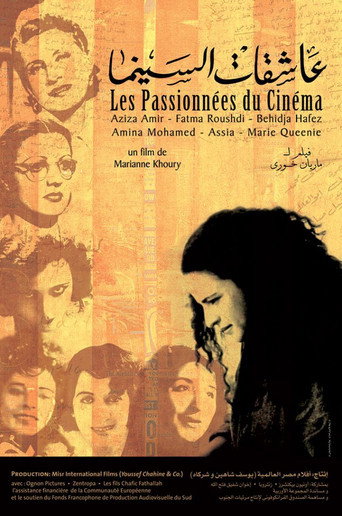
Women Who Loved Cinema
Six strong-willed women whose adventurous streak changed the face of film industry in early twentieth century Egypt – a time when the country was, despite the liberal ripples, still steeped in conservative tradition. The film shows how these women, different as they were in class and social background, broke taboos and dismissed conventional wisdom to fulfill their overpowering passion for filmmaking. Women Who Loved Cinema takes us to the past and brings us, seamlessly, to the present day. Aziza ... Fatema ... Behidja ... Amina ... Assia … Mary... theirs is a story that will remain indelibly etched in the memory of Egyptian cinema.
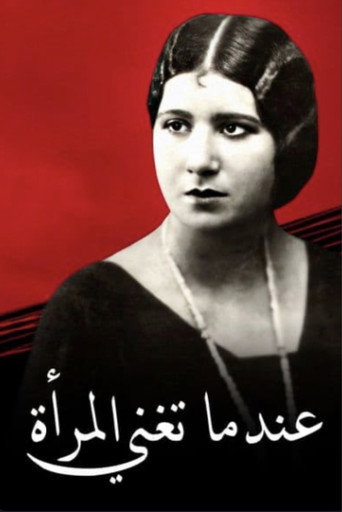
When A Woman Sings
A documentary about the singing movement in Egypt, and on the role of the song in the social and political conflict, as it shows the lives of Umm Kulthum and Munira al-Mahdiyya and their impact on the women's liberation movement and on the field of singing in the Arab world
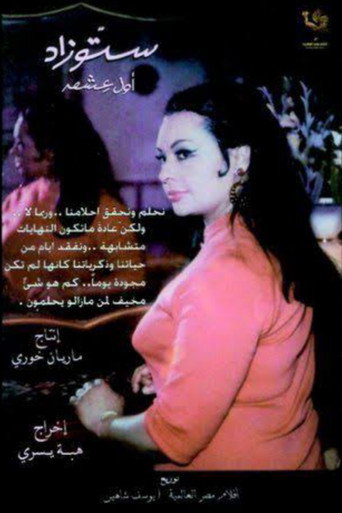
Settou Zad, My first passion
The movie tells the story of the artistic life of "Shahrazad" through the details provided by her granddaughter.
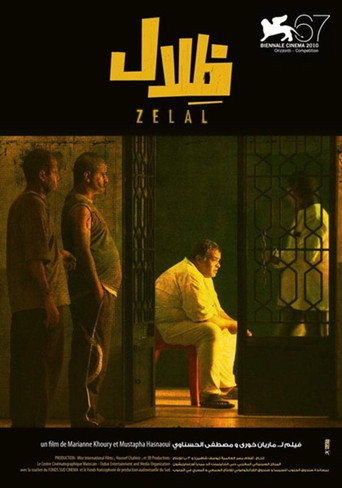
Zelal
Zelal is a documentary that's an invitation to delve into the world of psychiatry and "madness" in Egypt. It meets the ordinary madmen and women banished to mental institutions by Egyptian society and offers more than just a journey into their world of shadows. The hospitals end up becoming the only place patients can conceive, not because they are truly "crazy", but because they fear the outside world. The film forces viewers to put their own preconceptions and interpretations to the test, reminding us that freedom is precarious in a society that does not tolerate any differences.
Zelal
Zelal is a documentary that's an invitation to delve into the world of psychiatry and "madness" in Egypt. It meets the ordinary madmen and women banished to mental institutions by Egyptian society and offers more than just a journey into their world of shadows. The hospitals end up becoming the only place patients can conceive, not because they are truly "crazy", but because they fear the outside world. The film forces viewers to put their own preconceptions and interpretations to the test, reminding us that freedom is precarious in a society that does not tolerate any differences.
Zelal
Zelal is a documentary that's an invitation to delve into the world of psychiatry and "madness" in Egypt. It meets the ordinary madmen and women banished to mental institutions by Egyptian society and offers more than just a journey into their world of shadows. The hospitals end up becoming the only place patients can conceive, not because they are truly "crazy", but because they fear the outside world. The film forces viewers to put their own preconceptions and interpretations to the test, reminding us that freedom is precarious in a society that does not tolerate any differences.
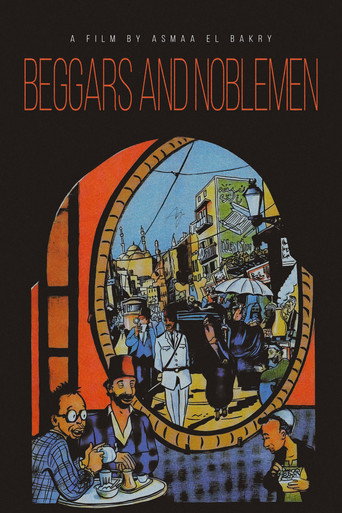
Beggars and Noblemen
In June 1945, during the final days of WWII, former university professor Gohar meets a young prostitute in a brothel and kills her in a moment of frenzy. Police Detective Noureddine takes on the murder case and tracks down Gohar, hoping to confront him and get a confession to the murder from him. However, both the detective and the killer face startling facts that change the way they think.
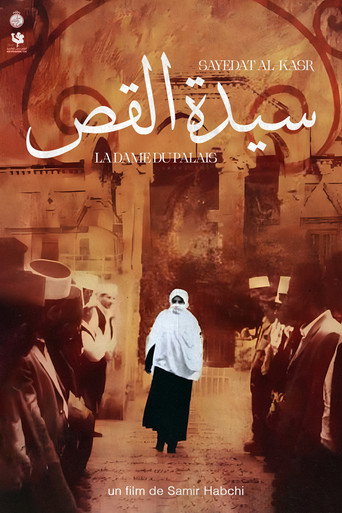
The Lady of the Palace
Sayedat Al-Kasr traces the history of the Joumblatt family of Mount Lebanon from the 17th century to the present, focusing on early 20th century leader and politician Nazira Joumblatt. Born in 1889, Nazira ascended the throne of the Moukhtara palace in 1923, following the assassination of her husband Fouad and the resignation of her brother Aly Joumblatt. She presided over the region as Lady of the Palace for twenty-five years while raising her son Kamal, preparing him to take his place in a long line of Jumblatt leaders. Famous for her wisdom and strong personality, Nazira boldly entered the Lebanese political scene at a time when this field was entirely dominated by men. Unwavering, she contributed to maintaining peace and stability in Lebanon for many years, earning the respect of men and women, whether Druze or Maronites.
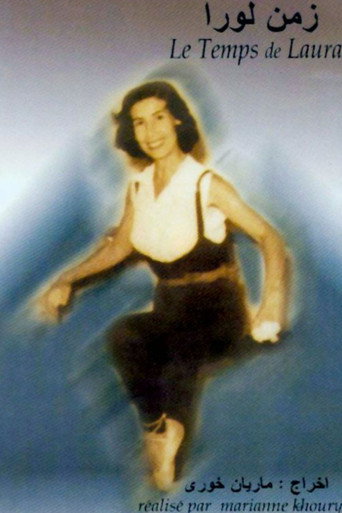
The Times of Laura
The Egyptian-Italian teacher Laura Laurella takes us on a journey through time as she narrates her love of dancing at the school that was founded in 1954 and still exists in Egypt. The story of a woman who left a mark not only as a ballerina, but in the extent of her influence on those around her.
The Times of Laura
The Egyptian-Italian teacher Laura Laurella takes us on a journey through time as she narrates her love of dancing at the school that was founded in 1954 and still exists in Egypt. The story of a woman who left a mark not only as a ballerina, but in the extent of her influence on those around her.